
Last updated November 23, 2026
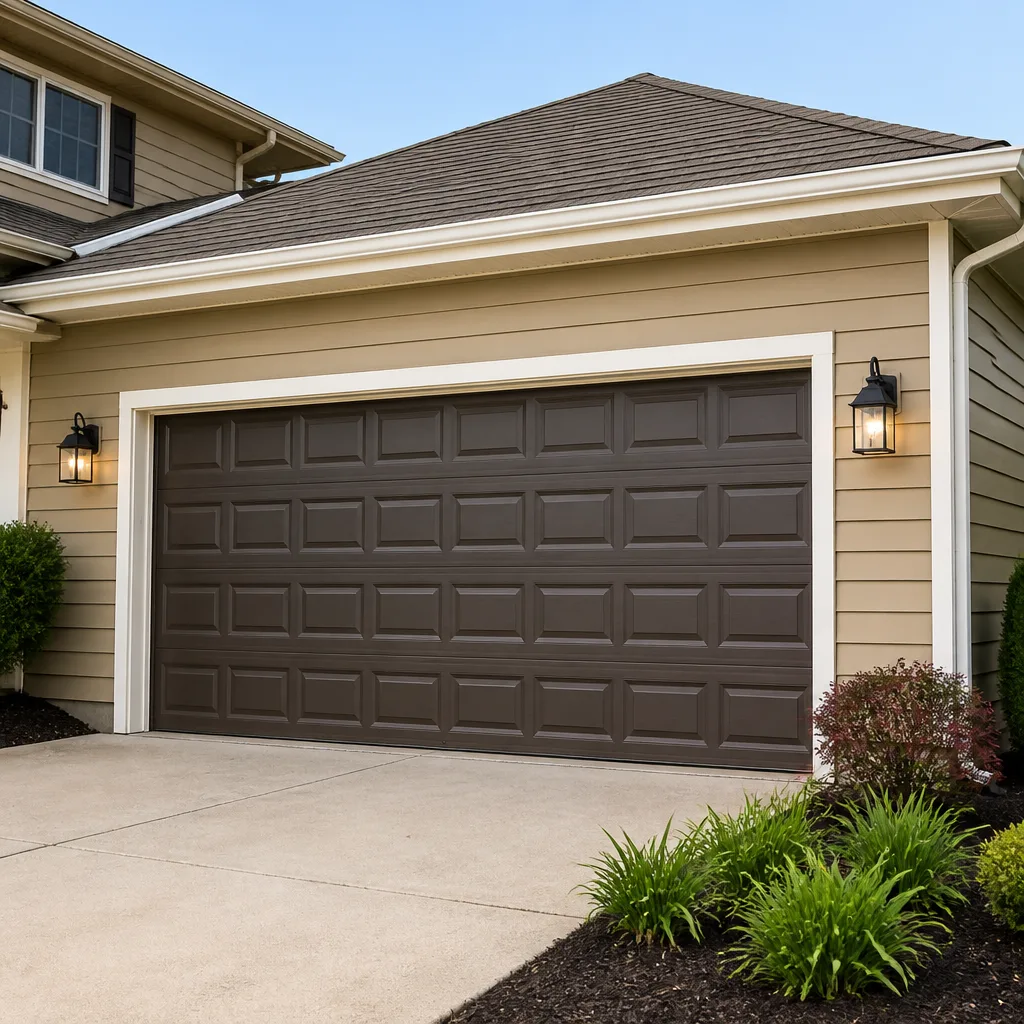 Raised-panel steel
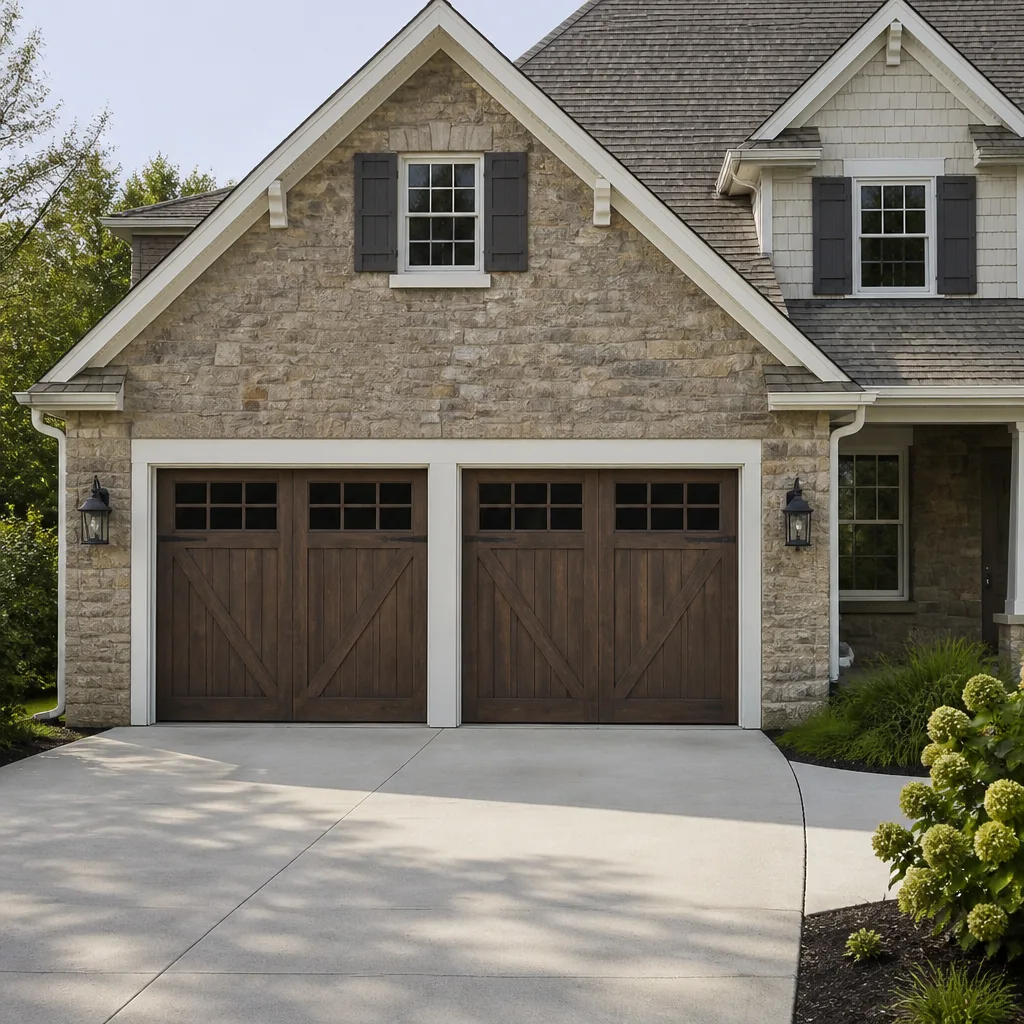 Carriage house
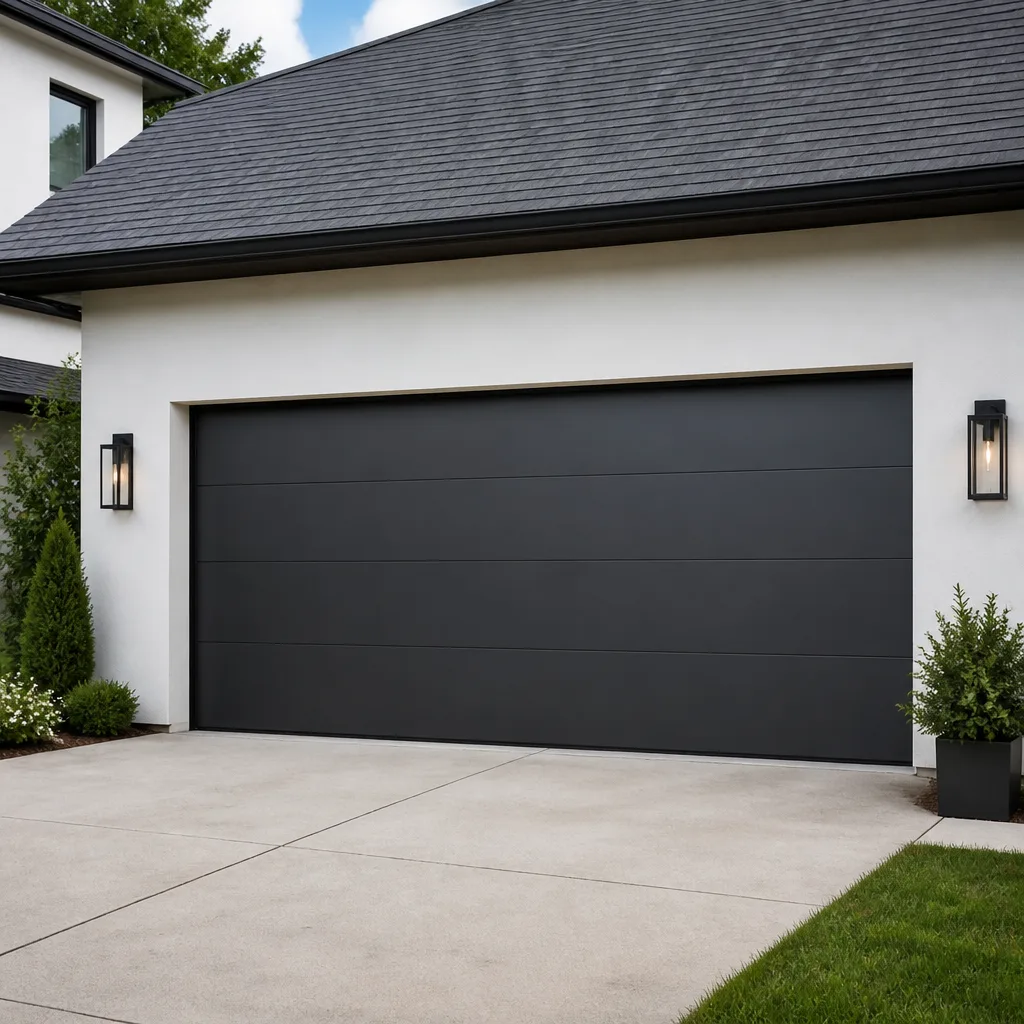 Modern flush
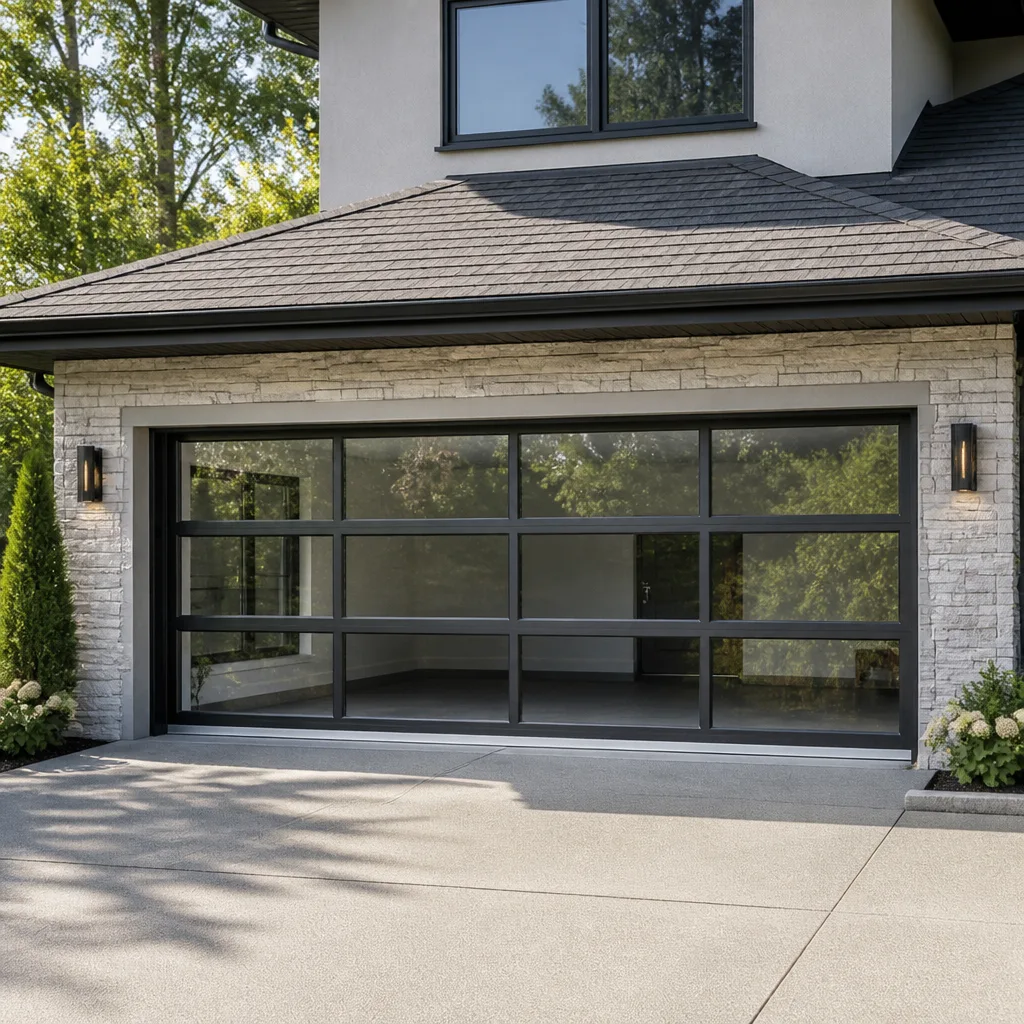 Full-view glass
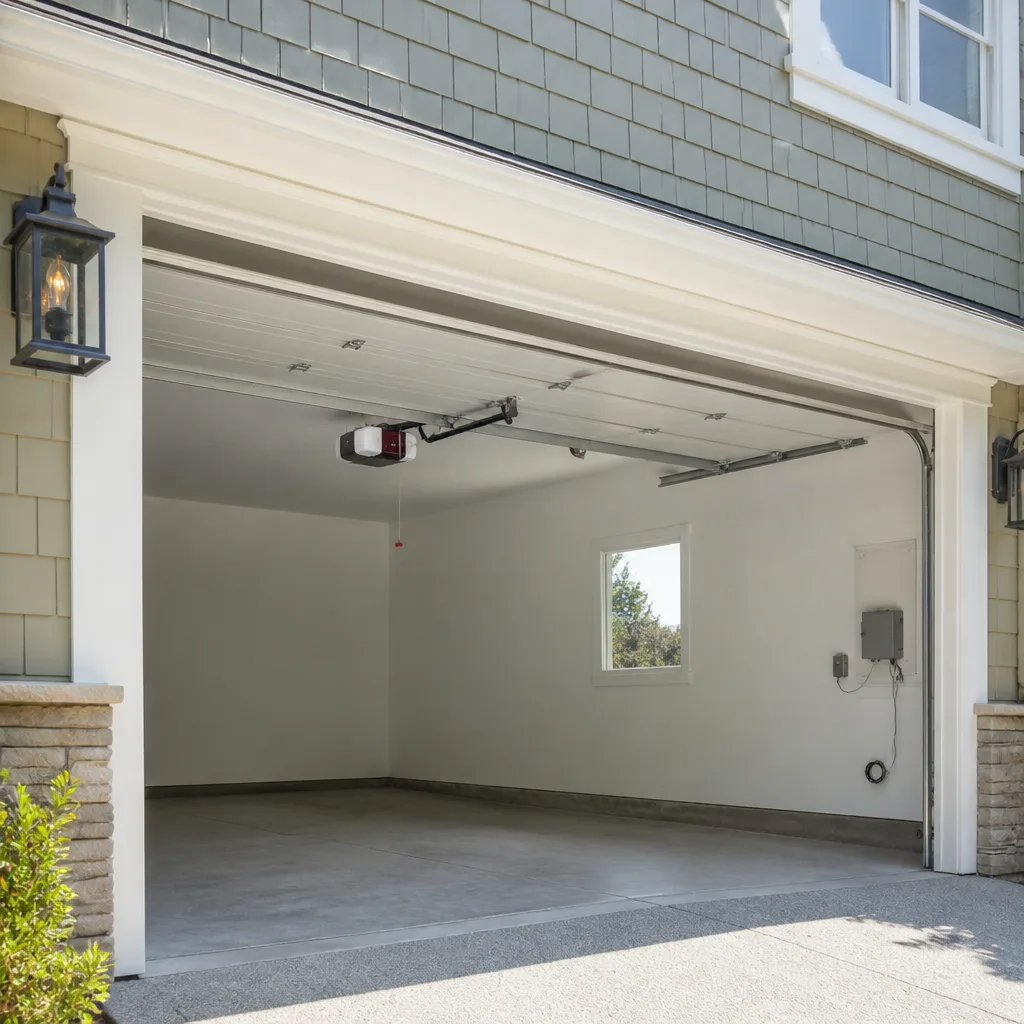 LiftMaster openers
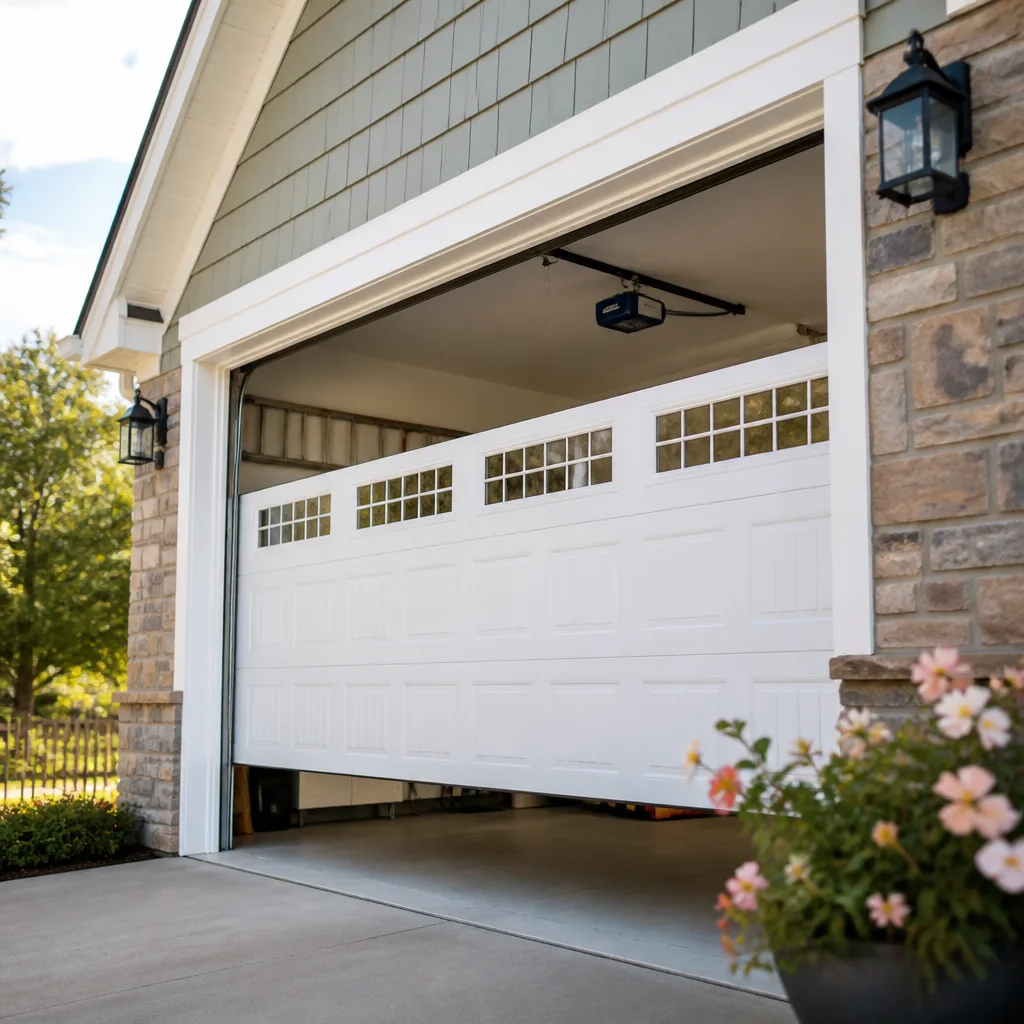 Chamberlain openers
Full 25-point door and opener safety check with every visit - springs, cables, rollers, tracks, and your LiftMaster or Chamberlain opener included
You get a price before we start. It does not change when the pro arrives.
Get your free estimateDIY vs Professional Garage Door: The Arvada Homeowner’s Decision Guide
A wound torsion spring on a residential door holds roughly 100 foot-pounds of torque. We don’t lead with that number to scare anyone. We lead with it because it’s the honest test of whether your mechanical background qualifies you to release that energy in a controlled way. Lots of Arvada homeowners are handy. They’ve swapped brake pads, wired outlets, framed a basement. And a garage door looks like it should be in that same category. Most of it isn’t. Some of it absolutely is. This guide draws the line task by task, so you can decide with real information instead of a gut feeling or a video that makes it look simple.
Quick Answer
Weather seal replacement, sensor alignment, lubrication, and track cleaning are genuinely DIY-appropriate for a careful Arvada homeowner. Spring adjustment or replacement, cable replacement, and any work that involves releasing tension are professional-only, no matter how confident a tutorial made you feel. Opener swaps sit in the middle: a like-for-like replacement of the same brand is reasonable for an experienced DIYer, while a new system with new wiring or a different drive type is usually faster and safer handled by a technician.
Styles & brands we work with
- Raised-panel steel
- Carriage house
- Modern flush
- Full-view glass
- LiftMaster openers
- Chamberlain openers
Table of Contents
- The Task-by-Task Safety Matrix
- Why Springs Are a Hard Stop
- The Tool Test: What Your Kit Is Missing
- Colorado Liability When a DIY Repair Goes Wrong
- DIY Opener Installation: Where You Save and Where You Don’t
- When a Simple Repair Reveals Something Bigger
- What Arvada’s Climate Does to Garage Door Parts
- A Five-Question Decision Framework
The Task-by-Task Safety Matrix
The DIY question gets easier once you stop asking “can I do this?” and start asking “what happens if this goes wrong?” Garage door work splits cleanly into two groups: tasks where the worst case is a door that still doesn’t close right, and tasks where the worst case is an injury. Here’s how the common jobs break down for a homeowner in Arvada.
Safe to do yourself
- Bottom weather seal replacement. The rubber or vinyl strip along the bottom of the door slides out of its retainer and a new one slides in. No tension involved. The only real requirement is measuring the door width and matching the retainer profile.
- Safety sensor alignment. If the door reverses on its own, the photo-eye sensors at the bottom of the tracks are usually knocked out of line or blocked by debris. Loosening the bracket, aligning the lens, and tightening it back down is straightforward.
- Lubrication. Hinges, rollers, and the opener rail take a garage-door-rated lubricant. This is the single highest-value maintenance task a homeowner can do, and it takes ten minutes.
- Track wiping and debris clearing. Cleaning the tracks and picking out leaves and grit keeps the rollers moving freely. Never bend a track back into shape by force, though: a misaligned track needs a technician.
- Visual inspection. Looking at cables for fraying, checking that the door is balanced, and testing the auto-reverse are all things you should be doing monthly.
Not safe to do yourself
- Torsion spring adjustment or replacement. This is the hard stop. The spring above the door carries the entire weight of the door under tension.
- Extension spring replacement. Less pressure than torsion, still enough to cause serious injury if it releases unexpectedly.
- Cable replacement. Cables are under load whenever the springs are wound. A slipping cable can whip with enough force to cut through skin.
- Panel replacement on a door with a broken spring. You can’t safely lift sections while a spring is compromised.
- Anything on a door that has visibly sagged or dropped on one side. That’s a symptom of spring failure, and the door is now hanging on hardware it was never meant to hold alone.
We work on a lot of doors in Arvada where a homeowner got partway through a job and stopped, which is the right instinct. Stopping is better than pushing through on a spring that’s already half unwound. If you’re not sure which category a task falls into, that uncertainty is your answer: call someone.
Why Springs Are a Hard Stop
Springs are the most dangerous component in a garage door system. Full stop. That’s true for a twelve-year-old door in an older Arvada neighborhood and it’s true for a new build with a fresh Clopay door. The spring is the counterweight. It’s holding the door at every point in its travel, and when it lets go, whether on purpose or by accident, the energy it releases is not something you can muscle through.
Here’s what makes spring work different from other mechanical repairs. In almost every other system, a mistake means something stops working. In spring work, a mistake means the spring becomes the hazard. A winding bar that slips out of a torsion spring doesn’t gently fall to the floor. It comes off the spring under load. The most common injury scenario in this trade is exactly that: a bar slipping during the wind, or a homeowner using a screwdriver because they couldn’t find winding bars, and the screwdriver slipping out of the spring.
The type of spring matters, but not in the way most people assume. Extension springs along the tracks are sometimes described as the “easier” kind. They still carry the door’s weight, and without a proper containment cable they can travel a long way if they break. Torsion springs above the door header are wound tighter and require more knowledge of how to release tension safely. Neither is a beginner task.
Here’s the part that actually separates DIY from professional: knowing what to check before and after. A trained technician looks at the cable condition, the drum position on the torsion shaft, the bearing plates, and the door’s balance before touching the spring. That pre-check determines whether you’re replacing one spring or a pair, whether the cables need attention at the same time, and whether the door will actually sit level afterward. That’s the reasoning behind garage door spring repair being its own dedicated service rather than a footnote on a general repair list. When a spring fails in Arvada, this is the work that gets done, and it’s the work a generalist shouldn’t be attempting.
What spring failure actually looks like
A torsion spring usually breaks with a single loud crack, and the door suddenly feels very heavy when you try to lift it. An extension spring can break and leave the door resting on the safety containment cable, which is the part nobody notices until it saves them. If your door is stuck partly open or won’t lift past a certain point, the spring is the first suspect. Don’t force the door any further.
The Tool Test: What Your Kit Is Missing
Here’s a fast, honest way to assess whether you’re equipped for a garage door repair. Look at your toolbox and check for winding bars. If you don’t already own a matched pair of proper winding bars, sized to your spring, you’re not equipped for spring work. There’s no workaround. And this isn’t a problem you can solve with a trip to a big-box store. Winding bars are a niche tool, and if your garage kit doesn’t already include them, that’s a signal you haven’t done this work before.
Beyond the winding bars, safe spring work requires a specific set of tools. Here’s the full list:
- A matched pair of winding bars rated for the spring size and door weight. Not one bar. A pair.
- Proper C-clamps to lock the torsion shaft in place when the spring is unwound.
- A winding bar that fits the spring cone exactly. A loose fit is a slipping hazard.
- Safety glasses and heavy gloves. Non-negotiable for any work under tension.
- A proper ladder rated for the height of your torsion spring. A step stool is not enough for a torsion spring over the door header.
- A spring gauge to confirm you’ve measured the old spring correctly and are installing the right replacement.
We’ve seen the consequences of a mismatched spring: the door operates strangely, the opener strains, and the imbalance shows up on a completely different part of the door weeks later. Most homeowners who try to replace a torsion spring end up calling a professional anyway, which is a good outcome compared to the alternative.
Colorado Liability When a DIY Repair Goes Wrong
Most homeowners don’t think about liability until something breaks, and that’s exactly the moment it matters. Here’s how the exposure breaks down in Colorado when a DIY garage door repair goes wrong.
Injury to a family member or guest
Homeowners insurance typically covers injuries on your property, but the picture gets complicated when the injury was caused by a repair you did yourself that was clearly outside your skill range. An adjuster investigating a spring injury will ask who did the work. A DIY repair that led to harm is a very different claim than a repair done by a bonded professional. The coverage may still apply, but the conversation is much harder and the settlement may not.
Property damage to a vehicle
A garage door that drops because of an improperly adjusted spring, or one that comes off the tracks and lands on a car, is a real property damage scenario. In most cases your homeowners policy responds. But if a repair you did caused the failure, expect the claim to be scrutinized, and expect your premium to reflect the loss.
The quieter liability risk: a well-functioning but unsafe door
The scenario that gets overlooked is a door that works fine but is no longer safe. A door that closes on a child or pet because the sensor was never correctly realigned after a DIY fix is a liability that has nothing to do with whether the door “works.” This is one reason we recommend having any DIY repair checked before you trust the door with a routine: the components that keep a door safe are inspected as part of a standard service visit.
DIY Opener Installation: Where You Save and Where You Don’t
Opener replacement is the repair where DIY actually makes sense for some homeowners. It’s also where the savings disappear fastest if the install goes wrong. The key is knowing where the savings are real and where they’re an illusion.
Where you actually save
- Removing the old unit. Unbolting the old rail, disconnecting the wiring, and hauling the old motor down is labor that doesn’t require any special knowledge.
- Assembly of the new rail and mounting bracket. Following the manufacturer’s steps for the physical assembly is within reach for most mechanically inclined homeowners.
- Programming your remotes. Easy to do yourself once the unit is installed.
Where you don’t
- Wiring a new opener circuit or rewiring the safety sensors. Low-voltage sensor wiring is manageable, but mains electrical work is a different job. If a new dedicated circuit is needed, that’s an electrician’s work.
- Setting the force and travel limits correctly. This is where DIY installs most commonly fail the safety test. A door that reverses on its own or slams shut is a force-setting problem, not a mechanical one.
- Balancing a new opener to an existing door. If the door isn’t balanced, a new opener will work twice as hard to lift it. That strain is usually the reason a DIY opener install fails within a year.
The warranty problem
This is the part most homeowners don’t find out about until it matters. Many manufacturers of LiftMaster, Chamberlain, Genie, and Craftsman openers require installation to be done by a professional for the warranty to apply. A DIY install that goes wrong may leave you with a dead opener and no coverage. If you’ve already bought the opener, read the warranty card carefully before you lift the box out of the truck. If the install is covered, part of what you’re paying a professional for is the standing behind it when something fails.
If you’re working with equipment that needs attention beyond the opener, the broader system is covered under garage door opener repair here in Arvada.
When a Simple Repair Reveals Something Bigger
The most common DIY trap is a repair that starts simple and stops being simple partway through. You start replacing a weather seal and notice the track is bent. You go to adjust the sensor and realize the door has dropped half an inch on one side since the last time you looked. Here’s a short list of the signals that mean stop and call a professional.
- A door that’s visibly out of level. Look at the gap between the bottom of the door and the floor. If one side is noticeably higher, the springs or the cables are involved. Don’t try to compensate with force settings.
- A broken spring discovered midway. If any of the spring coils are visibly separated (a gap in the coil stack), the spring is broken and the door is unsafe to operate. Do not continue with the repair you were doing.
- Cables that look frayed or have already come off a drum. This means the cable has failed or is about to. It’s not a “keep going” problem.
- A door that falls or slams. If the door falls faster than it should, the spring tension is wrong. Stop operating the door and have it checked.
- A grinding noise from the opener that started after the repair. The opener is straining against a problem in the door itself. You can repair the opener, but the underlying issue is the door.
- A new gap in the door’s panel alignment. The door has shifted on its tracks, and that shift needs to be corrected before the door can be operated safely.
None of these signals mean your repair failed. Most of them mean the door was already telling you it needed attention before you opened the toolbox. If you’ve reached one of these points, the right move is to stop, and get a proper diagnosis. That’s what garage door repair is for, and in Arvada we get to a lot of doors partway through a homeowner repair, and the part that already got done isn’t wasted work. The next step is making sure it holds.
What Arvada’s Climate Does to Garage Door Parts
Arvada’s climate puts specific strain on garage door components that a lot of generic DIY advice ignores. The swings matter more than the averages. A door on the west side of Arvada catches the afternoon sun, and a door on the east side is in shade most of the day. Over a season, the temperature variation across a single door can be significant, and the springs take that load every time the door operates.
Two local effects to know:
- Thermal cycling on the springs. Every warm day and cold night is one more full cycle on the spring. Springs are rated for a number of cycles, and a front-range spring in Arvada sees more of them over a year than a spring in a climate where the temperature stays more even. This is why spring replacement often comes up before anything else does.
- Winter moisture and door seals. Snowmelt and the freeze-thaw cycle on driveways work on the bottom weather seal and the door’s paint finish. A seal that starts splitting in fall becomes an entry point for cold air and moisture by winter, and the door bottom and tracks take the damage.
- Dry summers and wood-frame doors. The dry months can shrink wood door frames and panels, which is when the door reveals a gap or a rub in the tracks. If you notice a new binding sound in summer that goes away in winter, that’s often the frame, not the door itself.
None of this changes the DIY question, but it changes which repairs matter most in Arvada. A door that struggles through a cold snap and a warm week back to back is likely a door whose springs are close to the end of their rated cycles. If you’re not sure where your door stands on that list, a professional inspection is the fastest way to find out, before a spring failure forces the issue.
A Five-Question Decision Framework
If you’re still on the fence about a specific repair, work through these five questions in order. The first “no” tells you where the job belongs.
- Does the task require releasing or adjusting stored tension? If yes, call a professional. This covers springs, cables, and anything that involves a winding bar.
- Do you have the specific tools, including the safety gear, already on hand? If not, and the fix isn’t a simple seal or sensor job, the missing tool is the answer.
- Is the door working normally otherwise? If the door is uneven, sagging, or making an unfamiliar noise, you’re probably not looking at the real problem yet. Get a diagnosis first.
- Would a mistake here cause harm or property damage? A seal that fails just makes the garage cold. A spring that fails causes injury. Match your risk tolerance to the real-world worst case.
- Is the manufacturer’s warranty on the line? For any opener work, and for some door hardware, a DIY install can void the warranty. If you’re not sure, check the paperwork before you start.
If you get a “yes” across the board on a simple job, go ahead. If you land on a “no” partway down the list, that’s not a failure of nerve. It’s the job telling you it needs a specialist.
Common Mistakes to Avoid
- Treating a spring replacement as a YouTube-taught project. The instructional video makes it look like a 20-minute job because the person on camera has done it hundreds of times. You’re seeing the result, not the pre-checks that keep the job safe.
- Replacing one spring when the door uses a pair. On most doors, the two torsion springs are wound from the same wire and have cycled together. Replacing only the broken one means the remaining spring is already stressed and likely to fail soon after. The door also never sits level between the two.
- Adjusting the door’s close force to fix a balance problem. This is the most common DIY mistake we see in Arvada: a door that’s slow or heavy gets its force setting cranked up, which hides the issue instead of fixing it. It also strains the opener and raises the safety risk.
- Replacing a weather seal without checking the bottom retainer. The seal is only as good as the retainer it slides into. If the retainer is bent or rusted through, the new seal won’t hold, and you’ll be replacing it again by the first cold snap.
- Ignoring the safety sensor after a repair. Homeowners often align the sensors visually, then never actually test that the door reverses when something blocks the beam. Test it before you use the door with anything in the path.
- Forcing a stuck door. If the door won’t lift or won’t move smoothly, forcing it is the fastest way to bend a panel or damage a cable. Stop, and call.
- Buying a new opener before the door is diagnosed. A door that seems like it needs a new opener often needs spring or balance work. We’ve seen plenty of Arvada homeowners buy an opener that then fails within the first year because the door itself was the problem.
See the difference
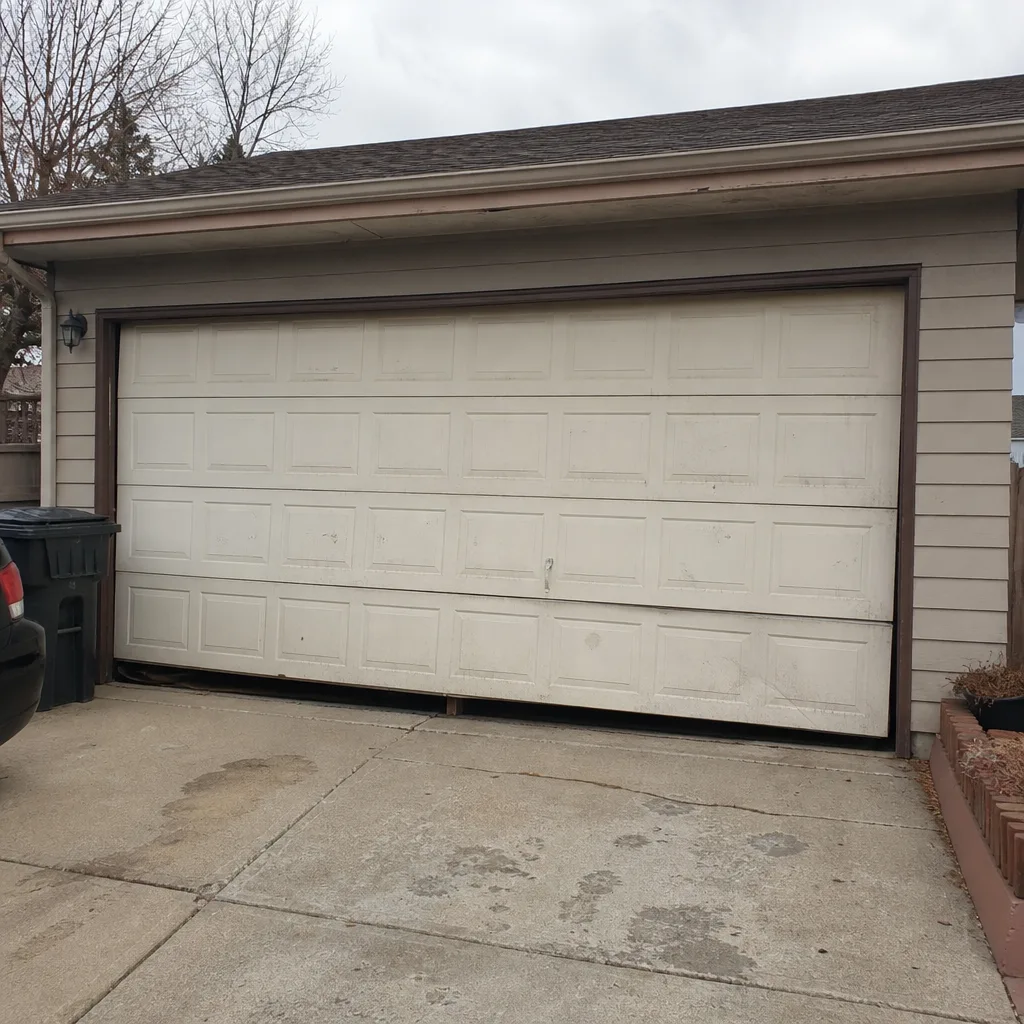 Before
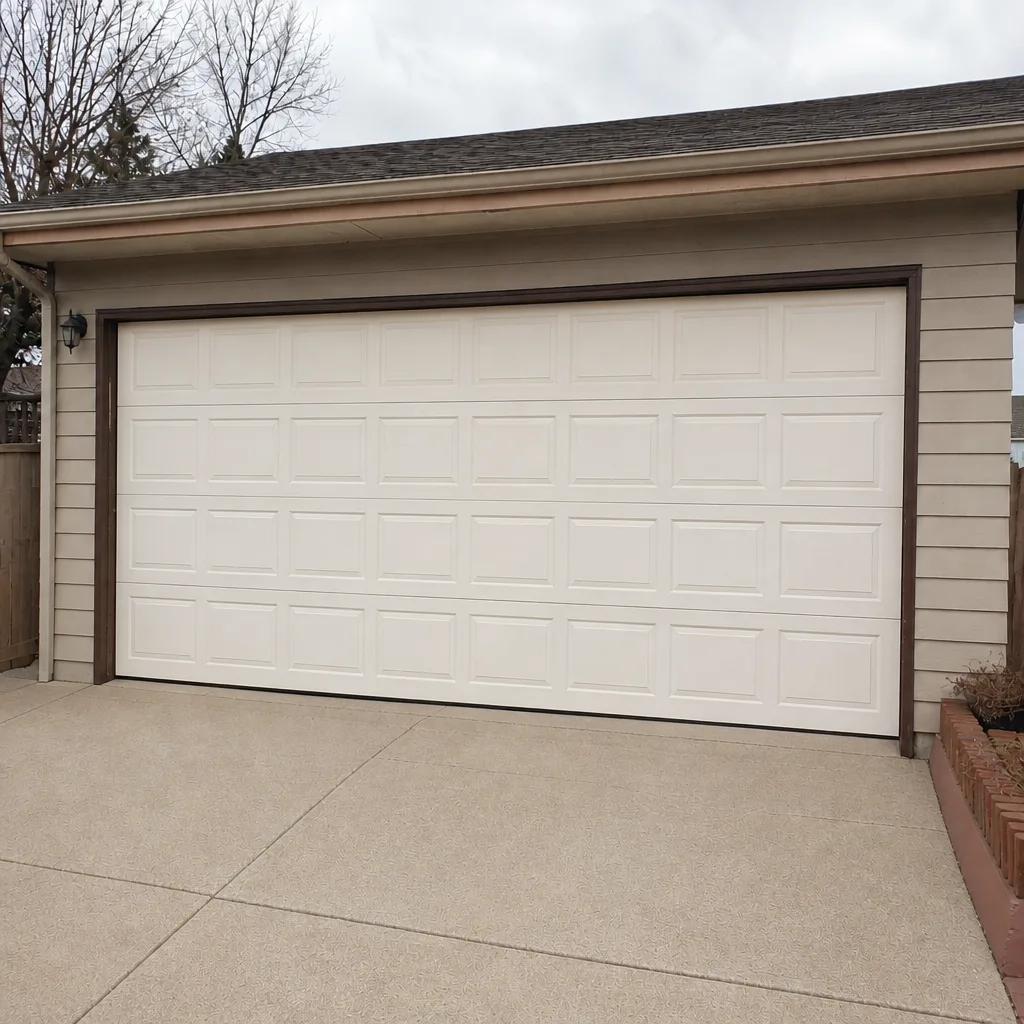 After
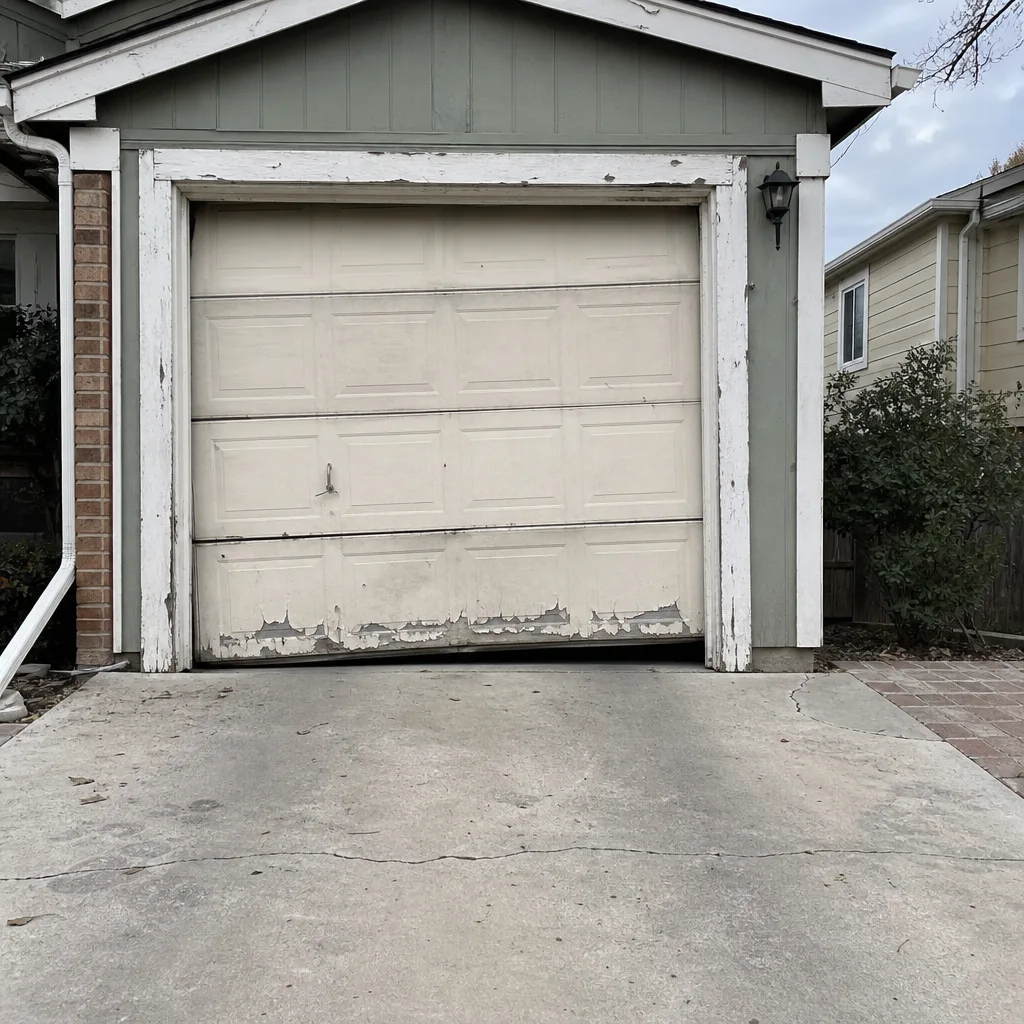 Before
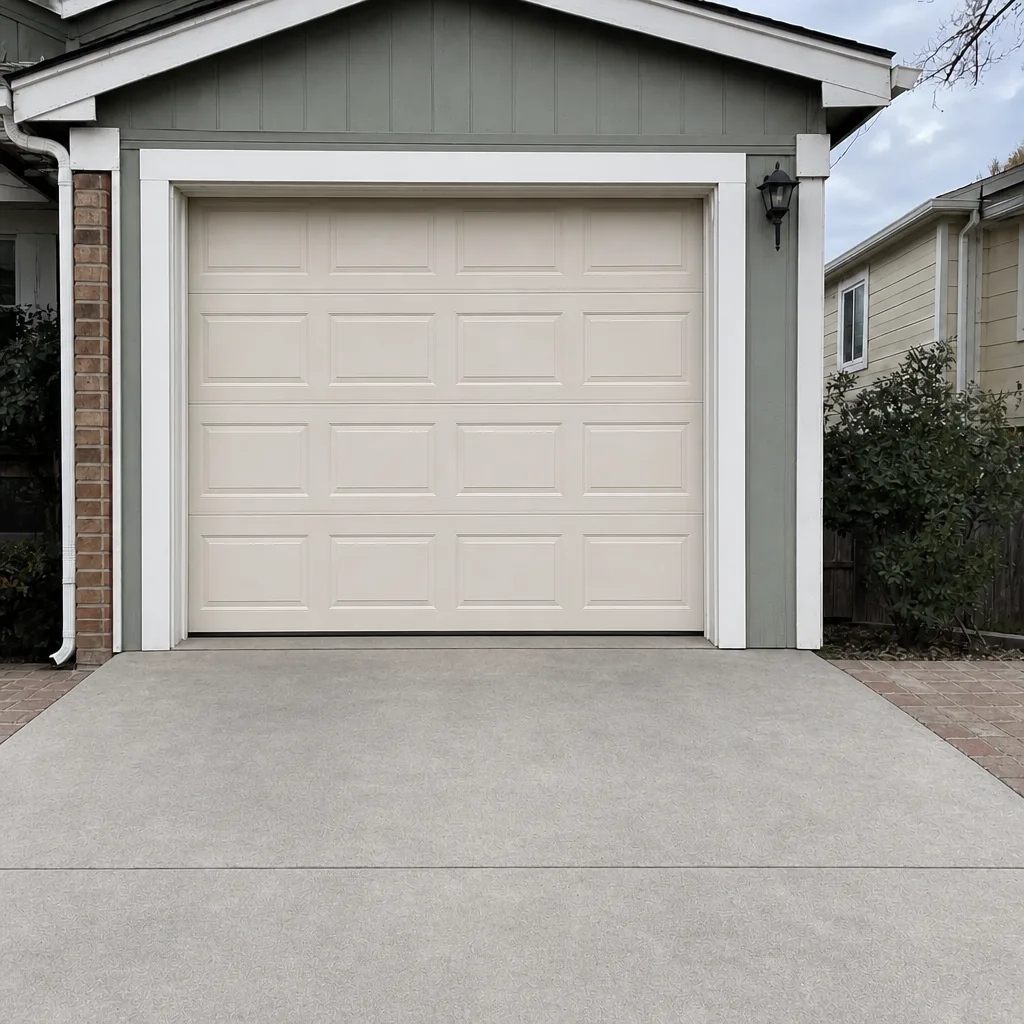 After
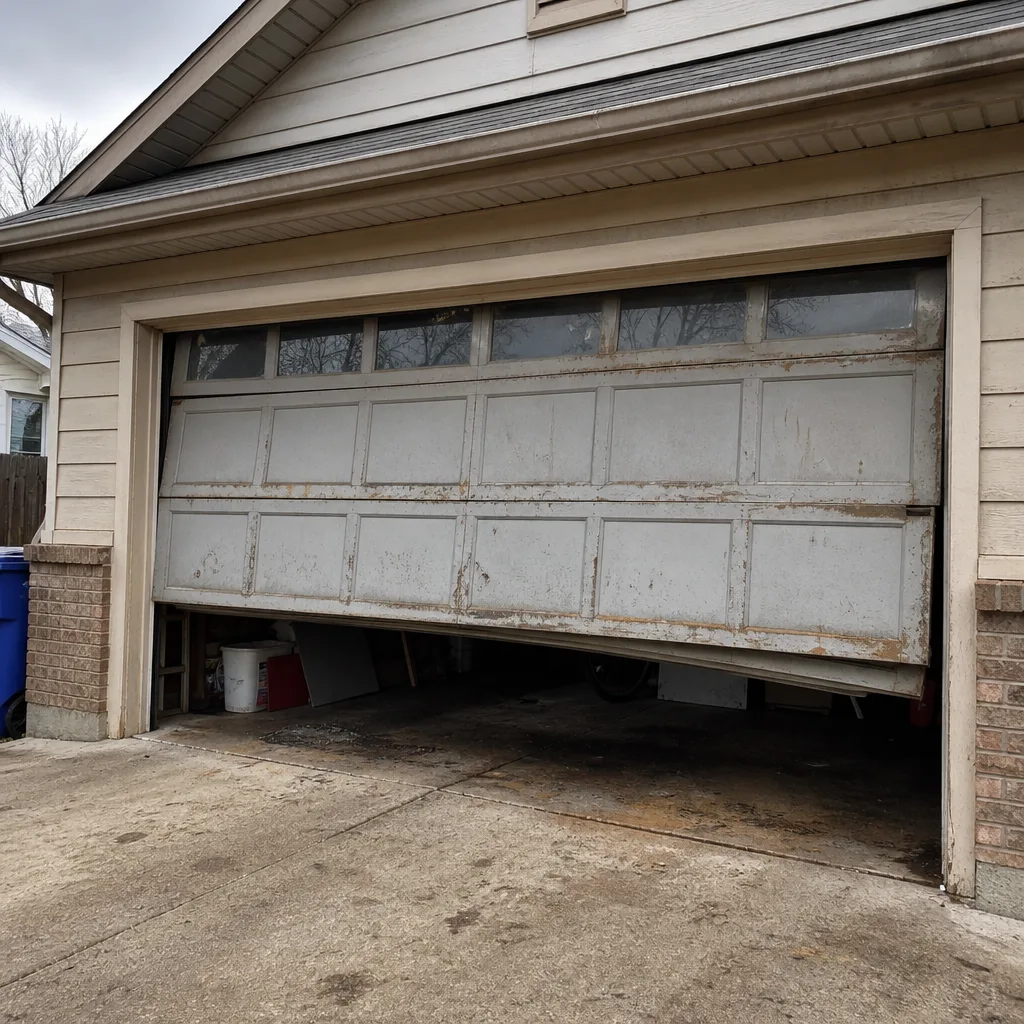 Before
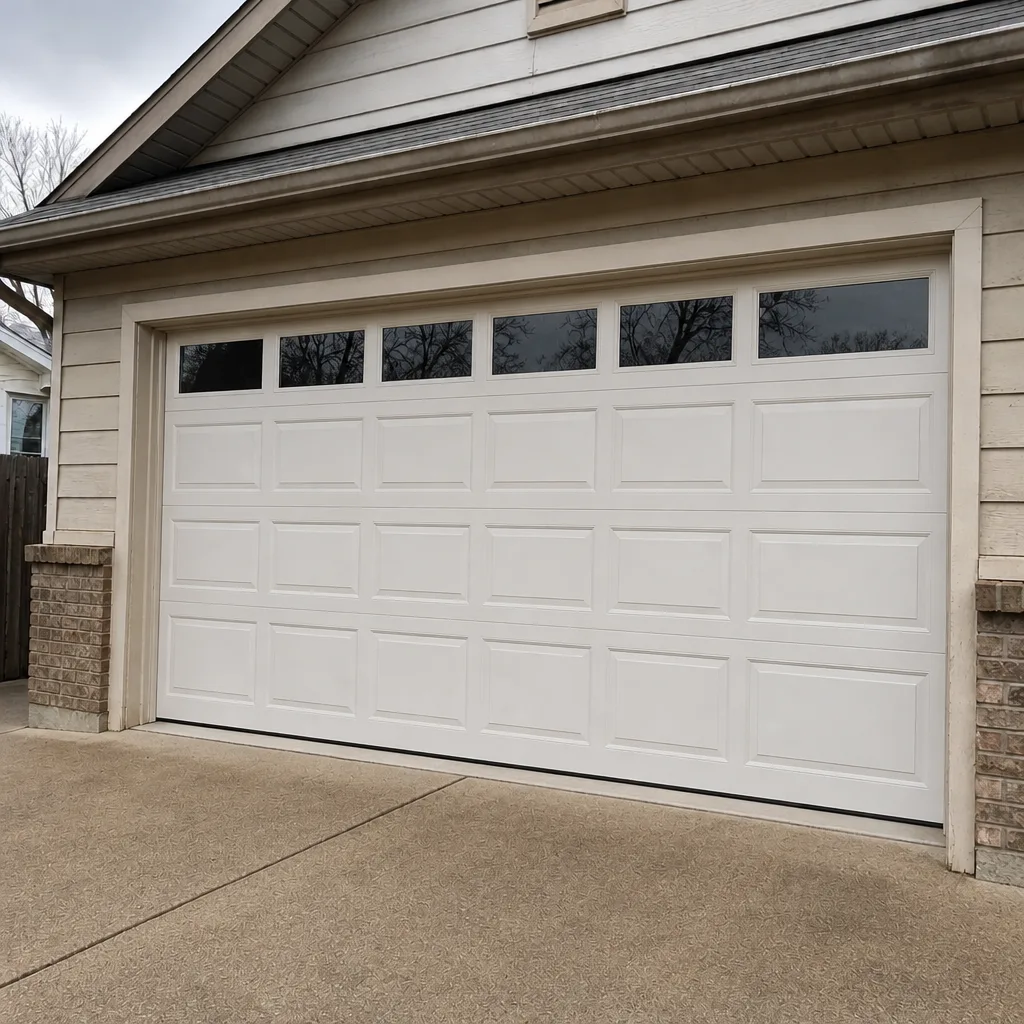 After
When to Call a Professional
Call a professional when the job involves springs, cables, or anything under tension. Call when the door is uneven, sagging, or slamming. Call when a “simple repair” has revealed something bigger. Call when you’ve bought a new opener that’s under warranty and you don’t want to void it. Call when a door has been closed and untouched for a season and you want it checked before something fails under load. And call before forcing a stuck door: a door that won’t lift is telling you something. Arvada Garage Door Repair Pros offers free estimates in Arvada. Call (877) 386-3155. We answer 24/7, with fast dispatch from 7am to 7pm, Sunday through Friday. Our technicians have up to 15 years of experience, and the written estimate always sets the final price, before any work starts. For a broader look at everything we handle, start with Arvada Garage Door Repair Pros.
Frequently Asked Questions
Weather seal replacement, safety sensor alignment, lubrication, track cleaning, and visual inspections are all safe for a careful homeowner. Anything that involves releasing tension – springs, cables, drums – is not. If the task requires winding bars, that’s your line.
Yes. A wound torsion spring holds enough stored energy that a slip can cause serious injury. The most common injury in this trade is a winding bar slipping out during the wind. There’s no safe shortcut, and no video transfers the feel of releasing that tension correctly.
Sometimes. A like-for-like swap of the same brand, with existing wiring and a balanced door, is reasonable for an experienced DIYer. A new opener that changes brands, needs new wiring, or requires a new circuit is faster and safer done by a technician. Many manufacturers of Chamberlain, Genie, LiftMaster, and Craftsman units require professional installation for warranty coverage, so read the paperwork first.
Pricing depends entirely on the job: a spring replacement is a different job from an opener repair, which is a different job from a seal replacement. We give free written estimates before any work begins, and the written price is the price. Call (877) 386-3155 for an exact quote on your door.
No. The price is quoted and agreed before any work starts. If a technician finds a bigger problem partway through a repair, they’ll stop and explain the new scope before doing anything, and you approve it in writing before the work continues.
Call us anyway. We’re closed on Saturdays, but the phone line is answered 24/7, and calls that come in outside dispatch hours are booked into the next opening, Sunday through Friday, 7am to 7pm. A stuck door that’s a security concern gets the earliest slot available.
We work on the major residential brands, including LiftMaster, Chamberlain, Genie, Clopay, Amarr, Wayne Dalton, Craftsman, and Raynor. That means the technician already knows the hardware in your garage before arriving, rather than looking at it for the first time at your door. You can also reach a related guide on garage door repair for the diagnostic side.
The Bottom Line
The DIY vs professional question for garage doors comes down to one thing: which tasks involve stored energy that no tutorial can safely transfer. Seal replacement, sensor work, and lubrication are fair game for a careful homeowner. Springs and cables are not, no matter how confident the video made you feel. The tool test settles it fastest. No winding bars, no spring work. If your door has revealed something bigger partway through a repair, that’s the moment to get it diagnosed properly, not the moment to push harder. For an Arvada door that needs a qualified hand, call (877) 386-3155 for a free estimate. We answer 24/7, with fast dispatch from 7am to 7pm, Sunday through Friday.
Written by the team at Arvada Garage Door Repair Pros.