
Last updated November 23, 2026
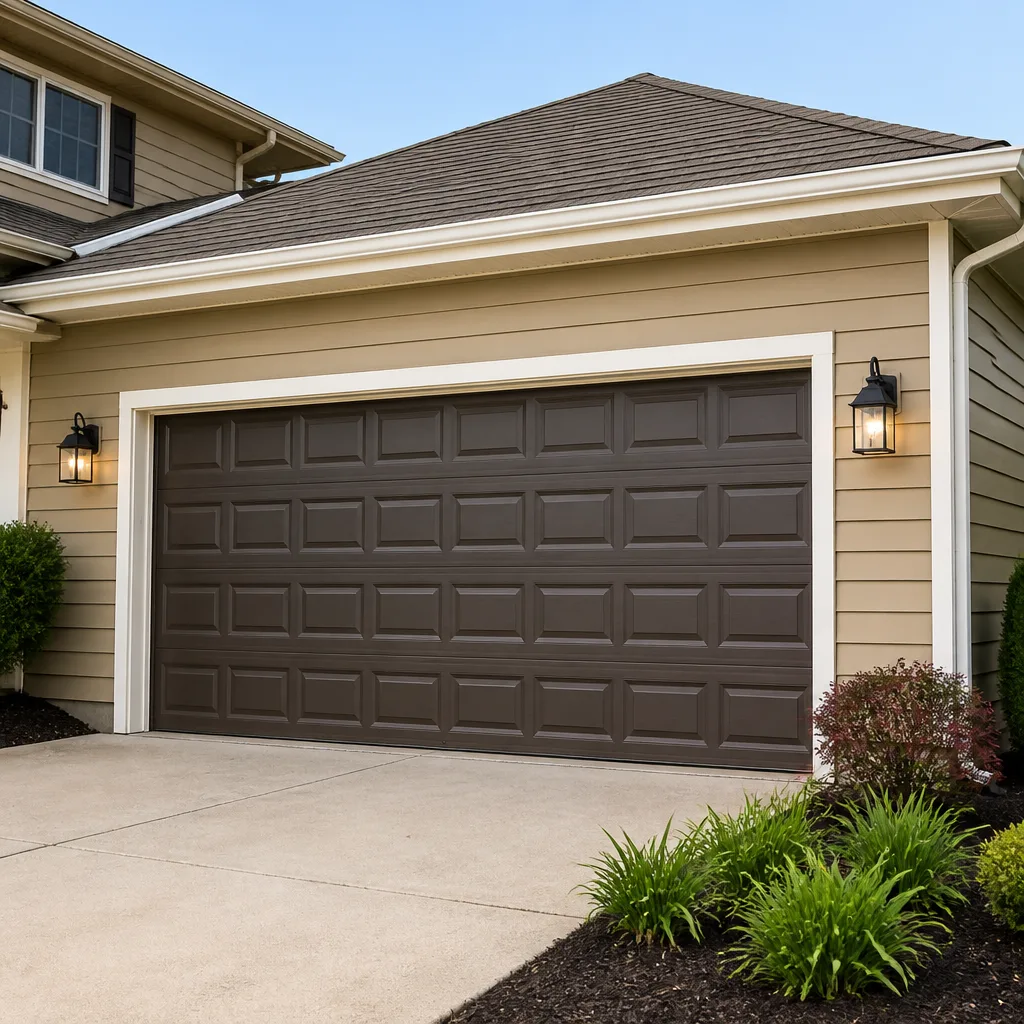 Raised-panel steel
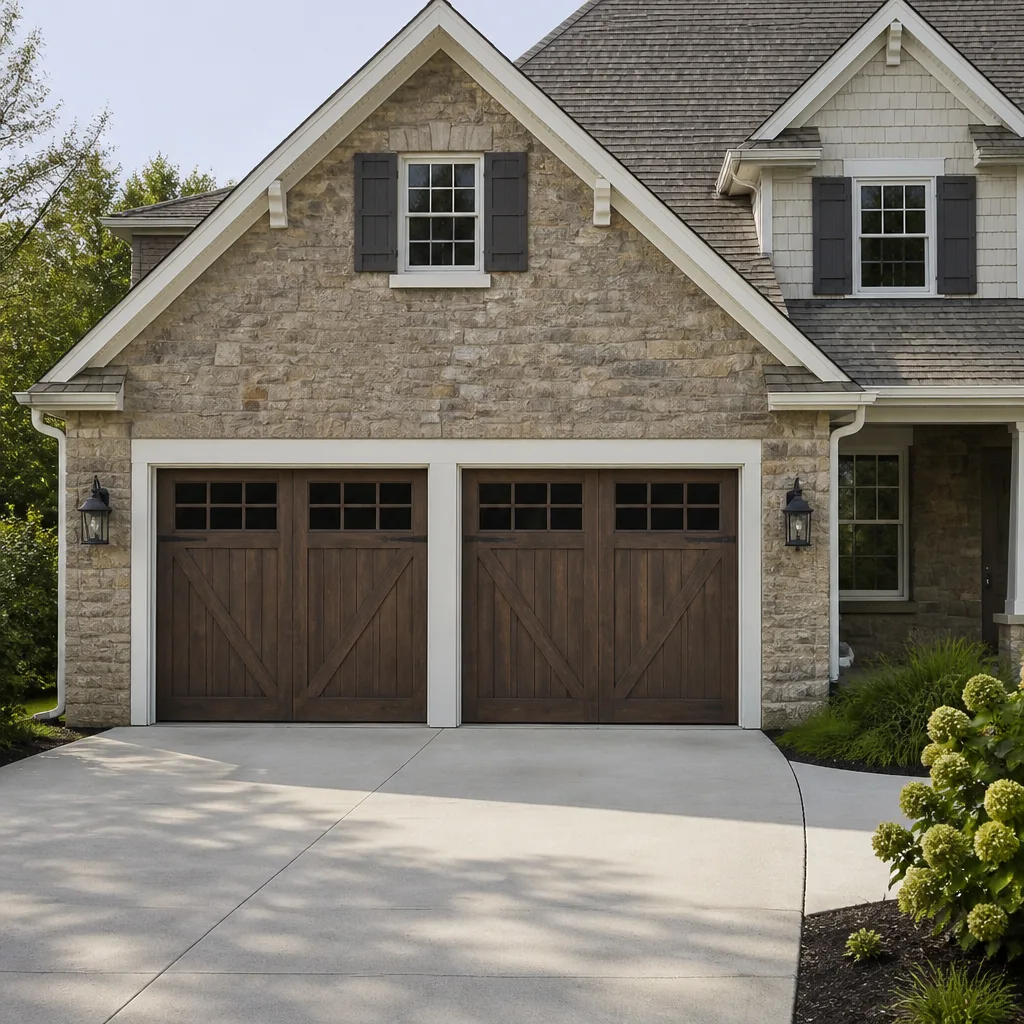 Carriage house
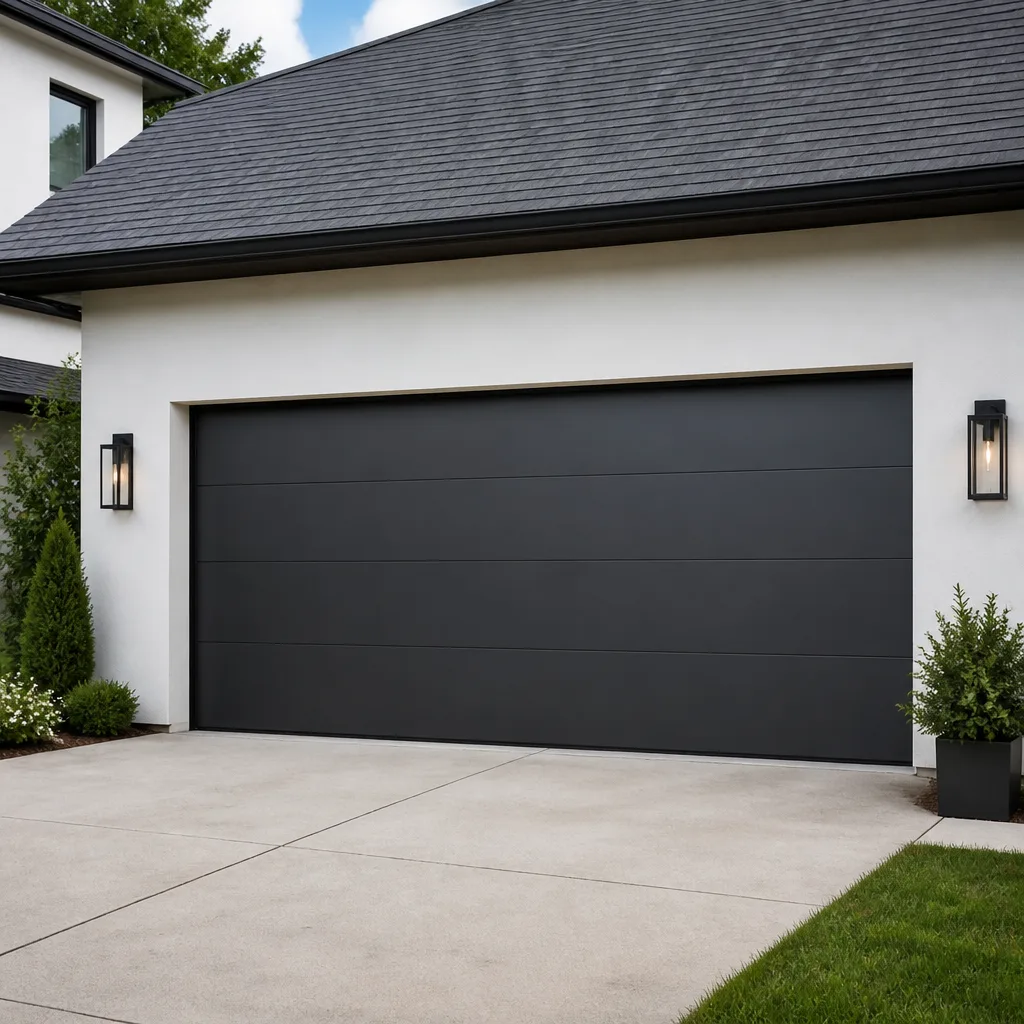 Modern flush
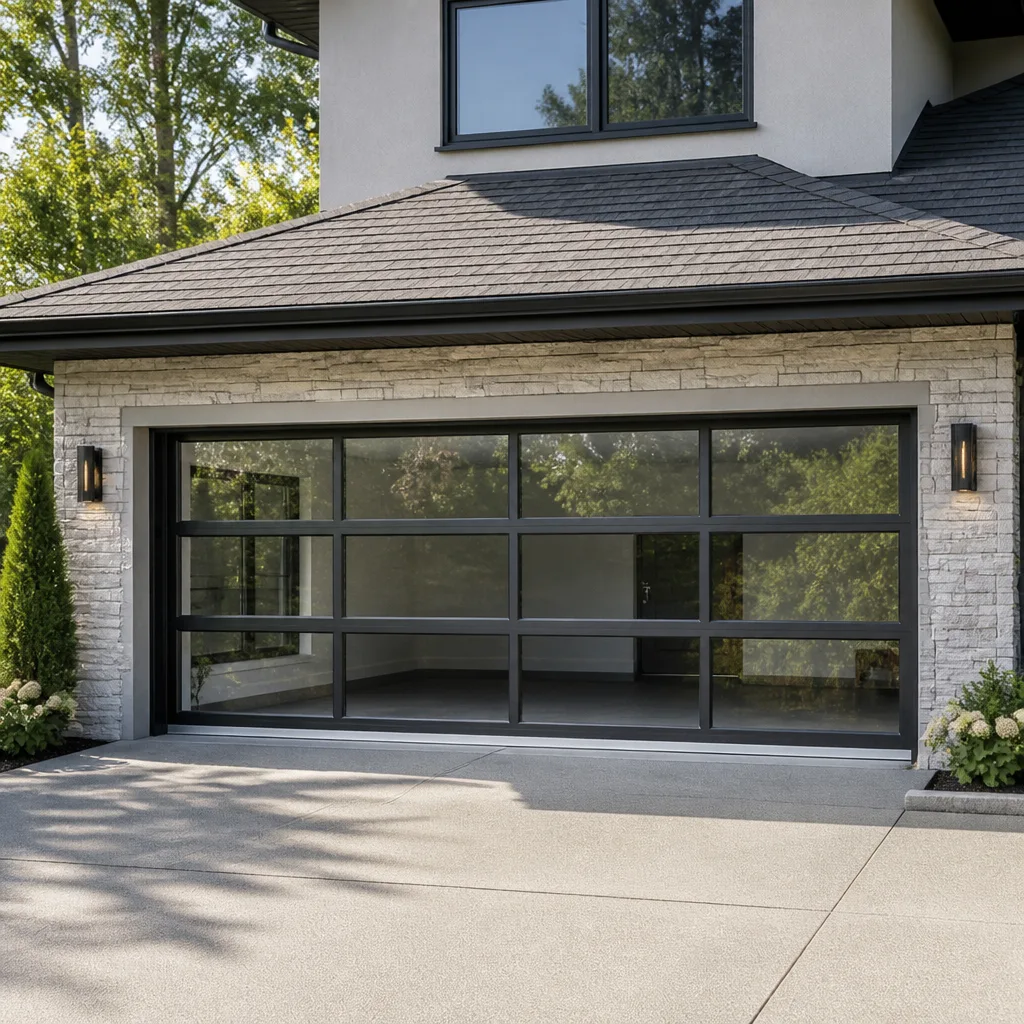 Full-view glass
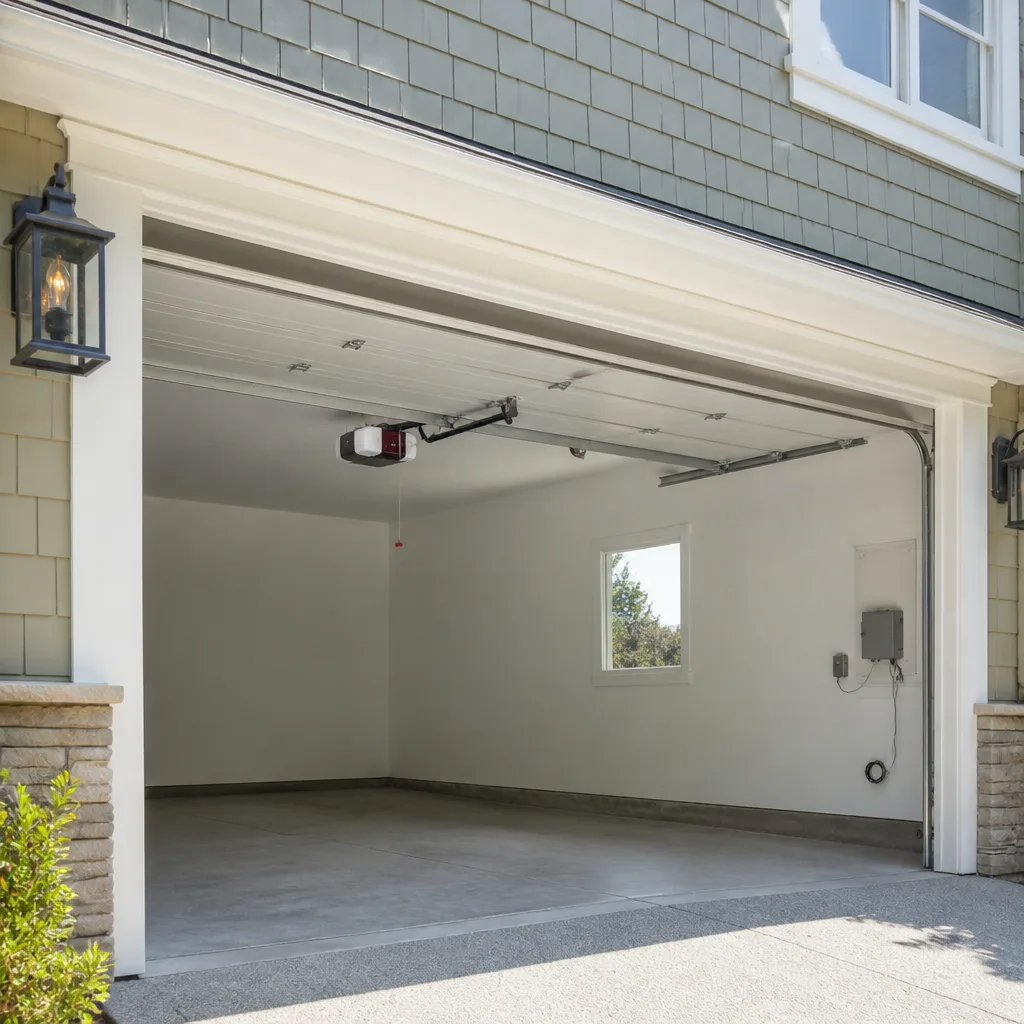 LiftMaster openers
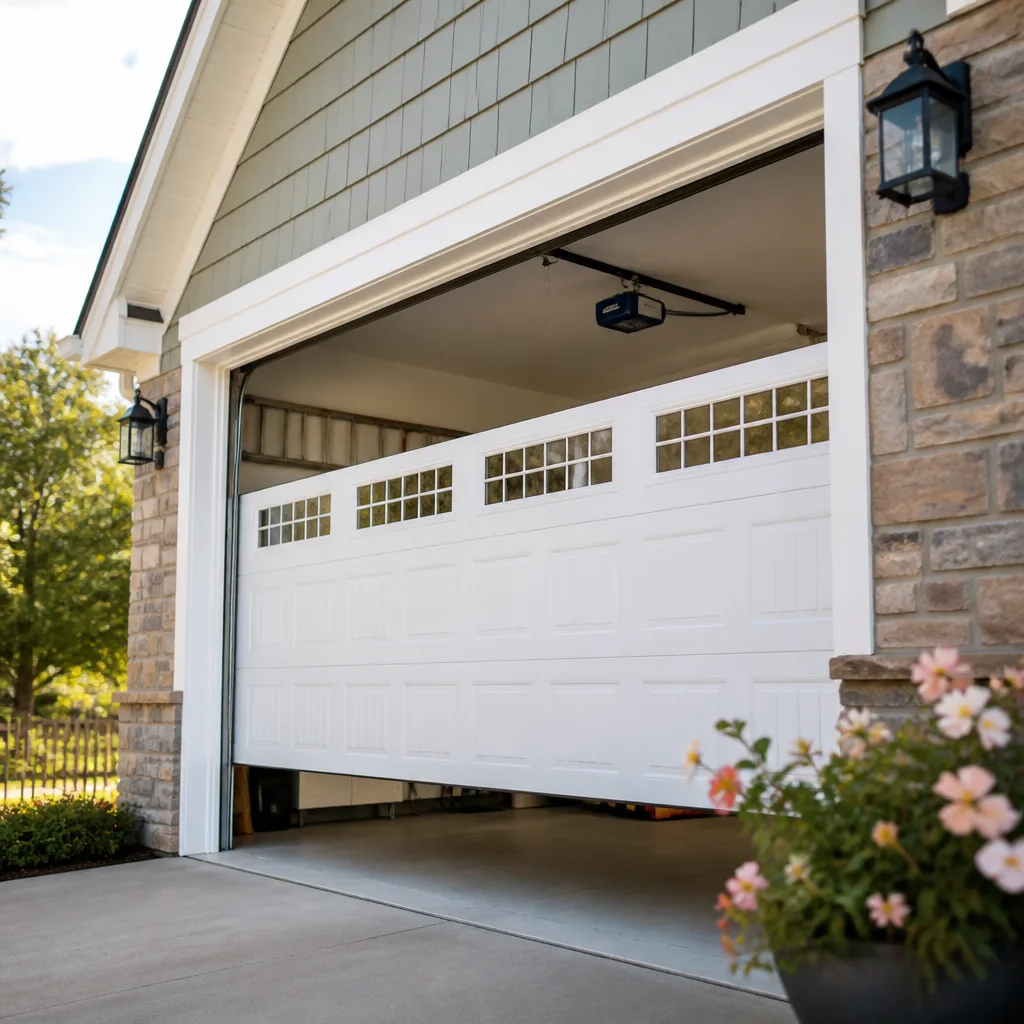 Chamberlain openers
Full 25-point door and opener safety check with every visit - springs, cables, rollers, tracks, and your LiftMaster or Chamberlain opener included
You get a price before we start. It does not change when the pro arrives.
Get your free estimateGarage Door Permits, Codes & Inspections in Arvada, CO: What You Need to Know
Most homeowners assume a garage door is like a faucet: swap it out, nobody cares. That assumption holds for a spring or an opener, and it falls apart the moment a full door goes in. A garage door installed without the required permit in Arvada doesn’t just risk a fine. It can sit as an unpermitted improvement on the property record, gets flagged during a home inspection, and forces a seller to retroactively document compliance or negotiate a price reduction. This guide covers what actually triggers a permit in Arvada, which authority governs the work depending on where you live, what an inspector looks for, and why UL 325 compliance on your opener matters at resale and in an insurance claim.
Quick Answer
A full garage door replacement or any structural modification to the opening in Arvada typically requires a permit, while a like-for-like repair or a spring or opener swap usually does not. Which office issues that permit depends on your address: some Arvada properties sit under City of Arvada jurisdiction, others under Jefferson County, so the first step is confirming your authority before any work begins. The safest rule is to ask the city or county building department directly when you schedule the job, and get the answer in writing.
Styles & brands we work with
- Raised-panel steel
- Carriage house
- Modern flush
- Full-view glass
- LiftMaster openers
- Chamberlain openers
Table of Contents
- When Does a Garage Door Need a Permit in Arvada?
- City of Arvada vs. Jefferson County: Which Authority Governs Your Garage?
- UL 325 Compliance and Auto-Reverse: What Inspectors Look For
- What an Arvada Building Inspector Actually Checks
- How Permits Interact With a Homeowner’s Insurance Claim
- The Permit Process, Step by Step
- Why Arvada’s Climate and Housing Stock Affect Garage Door Code Compliance
- What Permit-Adjacent Garage Door Work Typically Costs
When Does a Garage Door Need a Permit in Arvada?
A full garage door replacement typically requires a permit in Arvada. A repair to the existing door and hardware usually does not. The line between the two matters more than most homeowners expect, because a contractor who doesn’t pull a permit for a replacement job can leave you holding an unpermitted improvement.
Here’s how the categories generally break down. Think of it as three buckets:
- Repairs that typically need no permit: replacing a broken spring, swapping an opener unit, replacing rollers, hinges, cables, or a damaged panel on an existing door, and adjusting the track on a door that’s already installed.
- Work that typically requires a permit: installing a brand-new door where none exists, replacing a full door system as a single assembly (which is the common case when homeowners move from a damaged older door to a new Amarr or Wayne Dalton model), enlarging or modifying the headroom or the opening itself, reframing the opening, and changing the door’s structural supports.
- Work that almost always requires a permit and possibly a structural review: converting a manual door to an automatic one, heightening the header, or altering the opening dimension to fit a taller door.
We draw a hard line between a repair and an installation because the permit requirement follows the installation, not the door type. A homeowner replacing a tired door with a modern insulated model in a neighborhood like Arvada’s older central streets should expect to go through the permitting process. A homeowner calling for a snapped torsion spring should not.
The one thing we will not do is guess at Arvada’s current rules on your behalf. Codes change, local amendments happen, and the only authoritative answer comes from the building department that governs your address. Call them before the job is scheduled, and ask whether your specific scope of work triggers a permit. Get the answer confirmed so you have it on file.
City of Arvada vs. Jefferson County: Which Authority Governs Your Garage?
Arvada is one of those cities where jurisdiction isn’t always obvious. A portion of the city sits within Jefferson County, and some properties are addressed to Arvada while being governed by the county for permitting purposes. The result is that two neighbors on the same block can be dealing with two different permit offices.
The simplest way to figure out your jurisdiction is to call the City of Arvada’s building department first and ask if your address is inside city limits for permitting. If it isn’t, they will point you to the county. Jefferson County manages its own permit issuance for unincorporated areas, and the scope requirements between the two authorities can differ slightly.
What tends to catch homeowners off guard is the sequencing. If you order a door from a supplier before confirming your jurisdiction, you may discover after delivery that the permit requires a plan review, and your installation slips. We’d rather see a homeowner confirm the authority in week one and know exactly which office is reviewing the work.
Practically, this looks like:
- Look up your property’s jurisdiction by address on the city or county website, or call the building department directly.
- Ask whether your scope (like-for-like replacement, new installation, or structural modification) requires a permit.
- Ask what documentation the permit application needs. A site plan, a manufacturer’s specification sheet, and a scope description are common.
- Ask about the inspection process: how many inspections, and at what stage.
- Get the permit in hand before any work starts.
Any garage door installation we handle runs through that sequence before the door is ordered. That’s not a complication; it’s how you avoid a call from a home inspector in five years asking why the property record doesn’t match.
UL 325 Compliance and Auto-Reverse: What Inspectors Look For
UL 325 is the safety standard that governs automatic garage door operators, and it’s the code requirement that most homeowners have never heard of until an inspector mentions it. Every residential opener sold in the US today must meet UL 325, which is why the standard matters at inspection: an older opener that predates the current requirements, or one installed without the required safety features, can fail the check.
What the standard covers on a modern residential opener:
- Auto-reverse on contact: the door reverses when it hits an object in its path. This is the feature that protects children and pets, and it’s the one inspectors test first.
- Photo-eye sensors: the paired sensors at the bottom of the tracks that stop the door if the beam is broken. These must be mounted correctly and aligned.
- Force limitation: the opener stops or reverses if it detects abnormal resistance.
- Constant-pressure control for certain modes: the way the opener behaves when the wall control is used.
During a home sale, a buyer’s inspector will manually test the auto-reverse and the photo eyes. The standard failure modes are a misaligned photo-eye lens (often after a summer of garage work or a moved storage shelf), a safety reverse set too tight or too loose, and a wall control wired without a functioning sensor signal. All three are correctable. What isn’t correctable on the spot is an opener so old that it doesn’t have the features the standard requires, which is when a replacement becomes the practical answer.
We service and replace openers from LiftMaster, Chamberlain, Genie, and Craftsman, and those are the systems we see in Arvada garages most often. If your opener is a legacy unit, we can confirm whether it meets current UL 325 safety requirements or whether replacement is the cleaner path. That’s part of our garage door opener repair work.
For the record: opener and spring work are the two areas where we recommend against homeowners troubleshooting anything. Springs are under extreme tension and can cause serious injury if handled without the right tools and training. Opener electrical work involves line voltage. Both are jobs for a trained technician.
What an Arvada Building Inspector Actually Checks
When an Arvada inspector shows up for a garage door inspection, they’re checking more than whether the door opens. The inspection is about structural integrity, code compliance, and safety systems. Knowing what they look for means you can get it right on the first visit.
Typical inspection items include:
- Attachment and framing. Is the door anchored into sound framing, and is the header intact?
- Track alignment and hardware. Are the tracks plumb, the brackets secure, and the door balanced?
- Counterbalance system. Springs, cables, and drums must be the correct type and rating for the door’s weight. The door should stay at mid-travel without drifting.
- Opener and safety devices. Auto-reverse and photo-eye function are tested. Wiring must be in compliance.
- Labeling and documentation. The manufacturer’s label on the door and the opener must be present and legible, and the door’s specs should match the permit.
- Warning labels. The caution label warning of the spring tension hazard should be in place.
The failures we see most often are installation-level: a door hung slightly out of level that drags on one side, a photo-eye sensor mounted so the beam is broken by the door’s own hardware, or a spring sized for the door’s original weight when a different panel assembly was installed. These aren’t failures of the inspector’s judgment; they’re signs of an installation that went too fast.
We install doors from Amarr and Wayne Dalton, and both publish clear specification documentation for permit applications. If your job is a full replacement, we order the door after the permit is confirmed, install to the manufacturer’s specs, and walk the inspection items above before the door is declared complete. That approach is the same whether we’re doing a panel replacement or a full system install under garage door repair.
How Permits Interact With a Homeowner’s Insurance Claim
An unpermitted garage door can complicate an insurance claim years after it was installed. That’s the part most homeowners never hear. An insurer has grounds to question a claim tied to an improvement that wasn’t permitted or inspected, and a wind or impact damage claim on a garage door is exactly the kind of claim where the paper trail matters.
Here’s how it plays out in practice:
- The adjuster checks records. When a claim is filed, the adjuster looks at the property record and the permit history. If the door was installed without a permit, it may raise questions about whether the improvement was done to code.
- Code compliance becomes the issue. If the door fails to meet structural or safety requirements, the insurer may treat the loss differently than it would a permitted improvement.
- The claim can be denied or limited. That doesn’t happen on every claim, but it’s a real risk, and it’s avoidable.
The same risk appears at resale. A buyer’s inspector who notes an unpermitted garage door creates a negotiating position for the buyer. The seller then has to retroactively document compliance, which in some cases means opening up walls or redoing the installation. The cost of the permit at the time of installation is small compared to the cost of documenting compliance after the fact.
We work with homeowners and their insurers on garage door damage claims. That doesn’t mean we file on your behalf; it means we can provide the documentation your adjuster needs and describe the installation in the language the carrier expects. The best protection is the permit, pulled before the work starts.
The Permit Process, Step by Step
Here’s how a permitted garage door installation in Arvada typically proceeds from a homeowner’s perspective. The timeline varies by jurisdiction and current workload, but the sequence is consistent.
- Confirm jurisdiction and scope. Establish whether your property is under City of Arvada or Jefferson County permitting authority, and confirm the scope of your job requires a permit. Call the building department and ask.
- Gather documentation. The permit application typically needs a description of the work, the door’s manufacturer specification sheet, a site or elevation drawing of the opening, and contractor information. For a replacement, the manufacturer’s data sheet is usually sufficient.
- Submit the application. The contractor typically pulls the permit in the property owner’s name for the address. Ask in advance who is responsible, and confirm the permit is in hand before work starts.
- Schedule the installation. Once the permit is issued, the door is ordered and installed to the manufacturer’s specifications and the approved scope.
- Schedule the inspection. Most jurisdictions require one final inspection. The inspector will run through the items in the section above. If corrections are needed, they’re documented and the re-inspection is scheduled.
- Close the permit. Once the inspection passes, the permit is closed and the record shows a compliant improvement. Keep the documentation.
Where this goes wrong is step one. A homeowner who orders a door before confirming jurisdiction can end up with a door in the driveway and a permit application pending. Confirm the permitting authority first, then order.
Why Arvada’s Climate and Housing Stock Affect Garage Door Code Compliance
Arvada sits at the edge of the Front Range, which means cold winters, hot summers, big temperature swings, and the freeze-thaw cycles that come with them. Those conditions don’t change the code, but they do change how the code plays out in a garage door.
Cold-season temperature swings work on the door’s moving parts and the structure around them. Springs see more cycles, tracks shift slightly as the framing expands and contracts, and the hardware on an older door carries more wear than a comparable door in a warmer climate. When an inspector checks the door’s balance and the spring’s rating, that history matters. A door that was installed correctly in a garage in Arvada is going to be tested against the actual conditions of an Arvada garage.
Housing stock plays a role too. Arvada has a mix of older single-family homes and newer construction. Older garages often have openings that predate current standards, and the doors themselves may be original equipment. When a homeowner replaces a door on an older home, the installation has to be fitted to the existing opening, which is exactly the scenario where a structural modification or reframing can push the job from “no permit needed” into “permit required.” Newer construction is usually simpler, but the permit requirement still follows the installation.
The practical takeaway for Arvada homeowners: if the door is original equipment on an older home, and the replacement door differs in size or weight class, treat the job as a permitting job from the start and plan accordingly.
What Permit-Adjacent Garage Door Work Typically Costs
Garage door costs in Arvada break into the work itself and, in the case of a permitted installation, the permit and inspection fees the jurisdiction charges. The numbers below are typical ranges, and the written estimate sets the final price.
- Spring repair (one spring): typically $180 to $340 for a single torsion spring replacement, with a matched pair costing about twice that since the pair is usually replaced together.
- Opener repair or replacement: typically $150 to $400 depending on whether the unit is repaired or replaced, and the opener brand.
- Panel replacement: typically $250 to $600 for a single damaged panel, varying by brand and panel style.
- Full garage door installation: typically $900 to $2,500 for a standard residential door, with premium, insulated, and custom sizes running higher.
- Permit and inspection fees: set by the jurisdiction, typically a few hundred dollars, and invoiced separately by the permitting authority.
We quote the price in writing before the job starts, and that quote is the price unless the scope changes and you approve the change. Permit fees are the authority’s fees, not ours, and we pass those through exactly as the jurisdiction bills them. For a look at how the full scope of repair pricing compares outside an installation, see our garage door spring repair page.
One caution: a quote that includes the door but not the permit isn’t the whole picture for an installation. Ask directly whether the permit is included in the scope, and confirm who is responsible for pulling it. That single question separates a complete quote from a partial one. If you want to compare a repair quote against an installation quote, keep both line items visible side by side.
Common Mistakes to Avoid
- Assuming a replacement needs no permit. It’s the most common misconception we see. A full door replacement usually does require a permit in Arvada. Confirm with the building department before ordering the door. The permit is far cheaper than finding out at resale.
- Pulling the permit after the door is installed. Some homeowners try to backfill the permit once the work is done. That’s more expensive and more complicated than pulling it upfront, and it can trigger a re-inspection of work already covered. Pull it first.
- Confusing Arvada city jurisdiction with Jefferson County. Two addresses on the same block can be governed by different permit offices. Confirm your address’s authority before filing anything.
- Replacing an opener without checking UL 325 compliance. An older opener that predates the current safety standard can fail a home sale inspection. If you’re replacing an opener, replace it with one that clearly meets the standard, and keep the documentation.
- Skipping the inspection because the door “works fine.” A working door isn’t a compliant door. The inspection exists to confirm the structural attachment, the counterbalance, and the safety systems, and closing the permit is what produces the record a future buyer or insurer needs.
- Letting a generalist install a door without spec documentation. A door installed without the manufacturer’s documentation is a common inspection failure. We work with Amarr and Wayne Dalton spec sheets as part of the permit package, and we can pull those for your application.
- Assuming the permit fee is part of the door’s quoted price. Permit and inspection fees are typically paid to the jurisdiction and are separate from the door and labor. Ask whether they’re included before you compare one quote against another.
See the difference
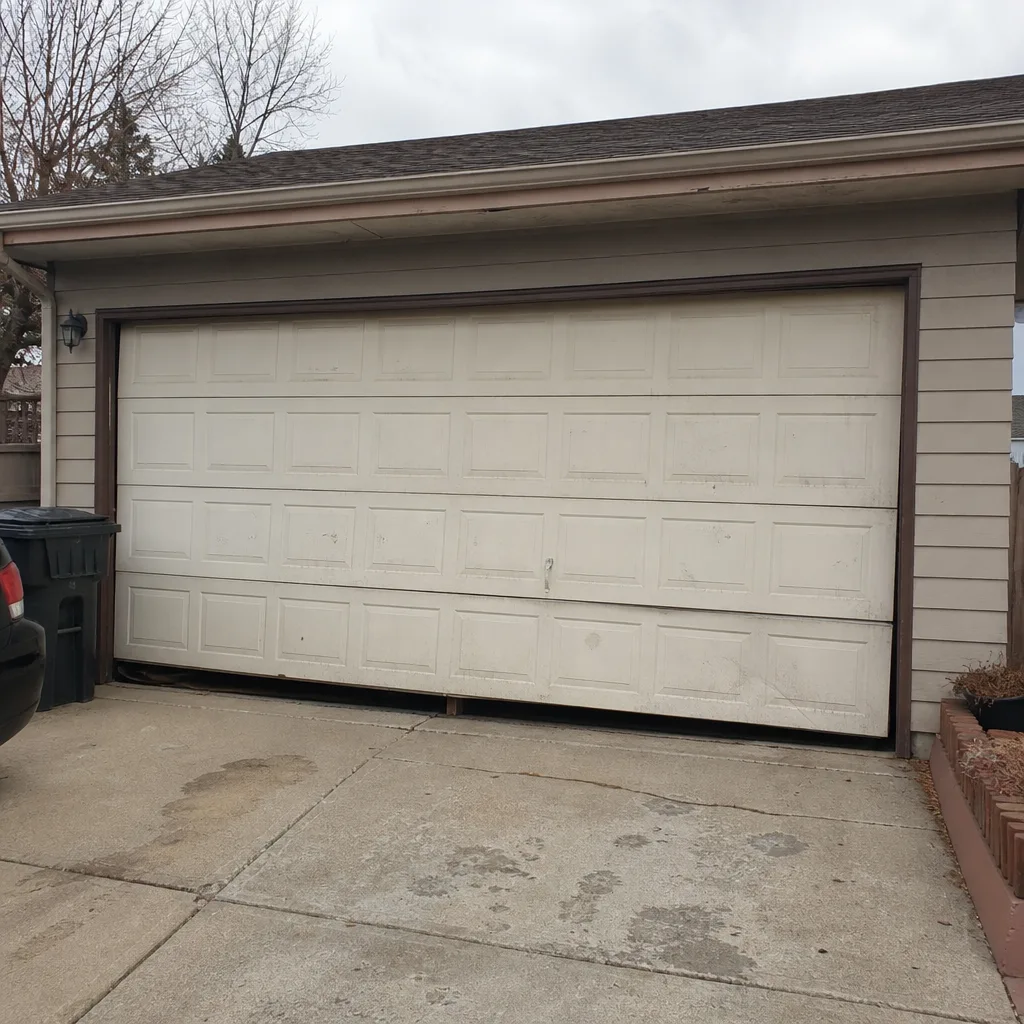 Before
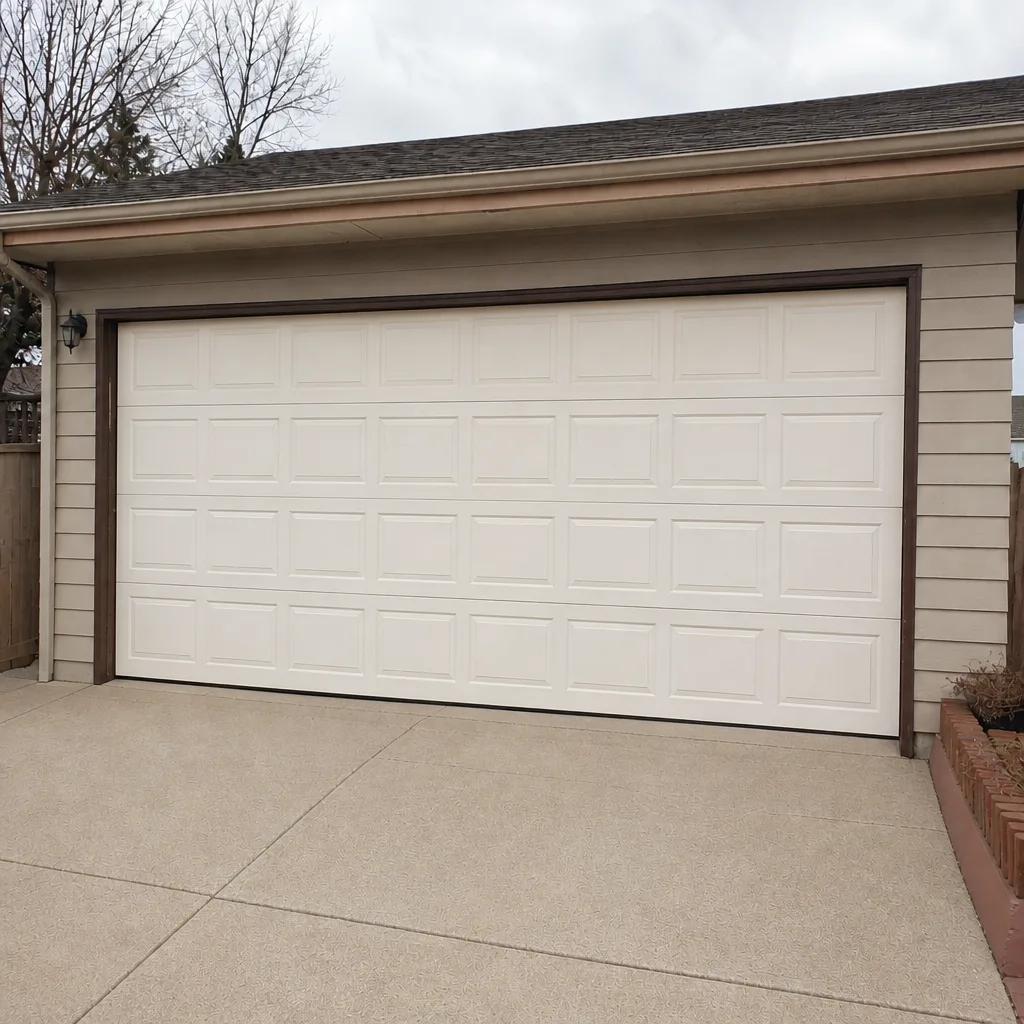 After
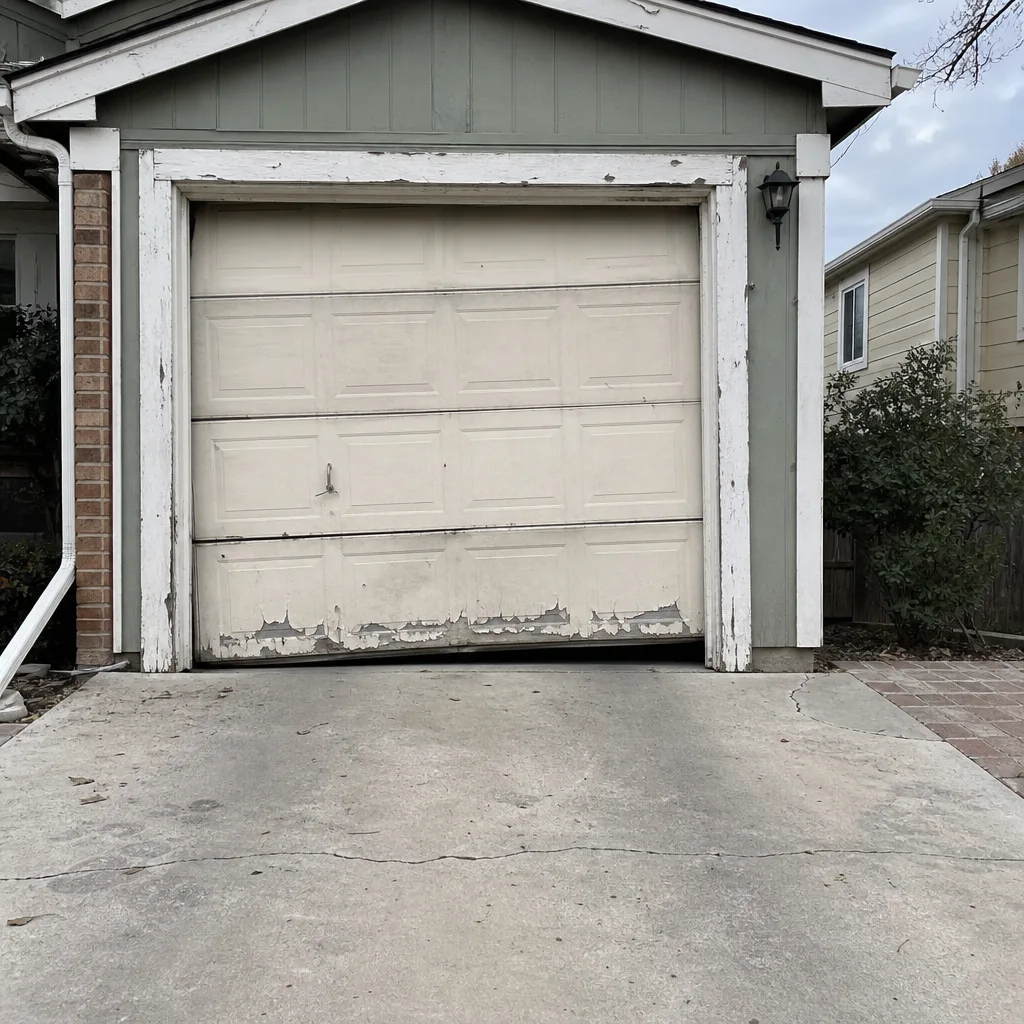 Before
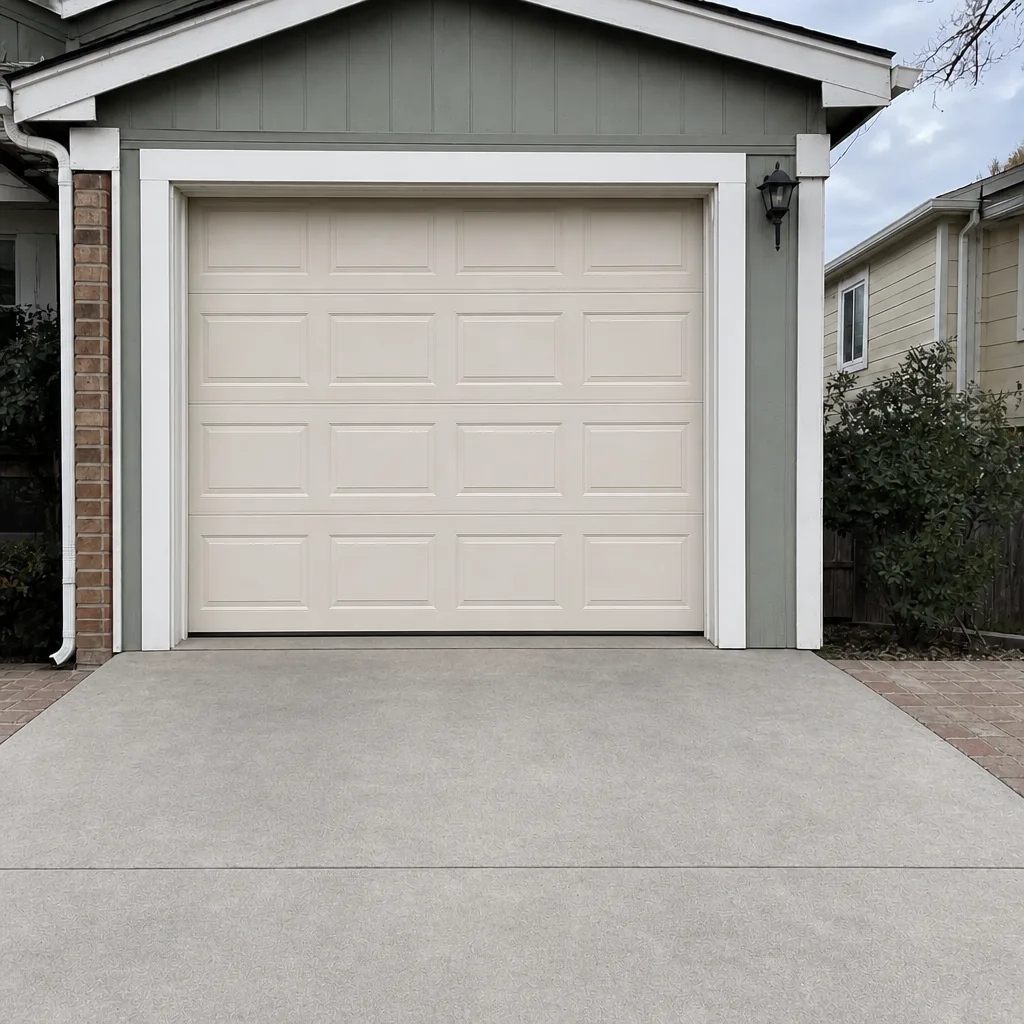 After
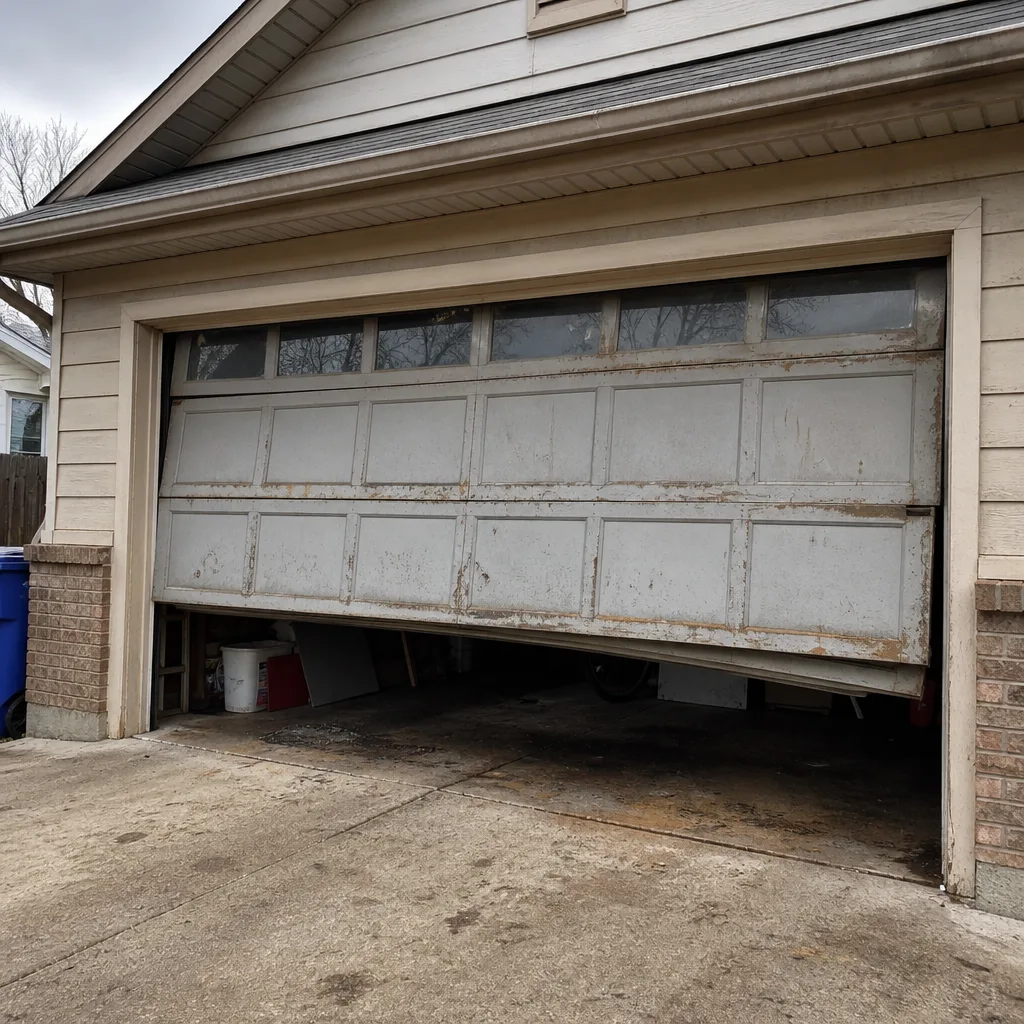 Before
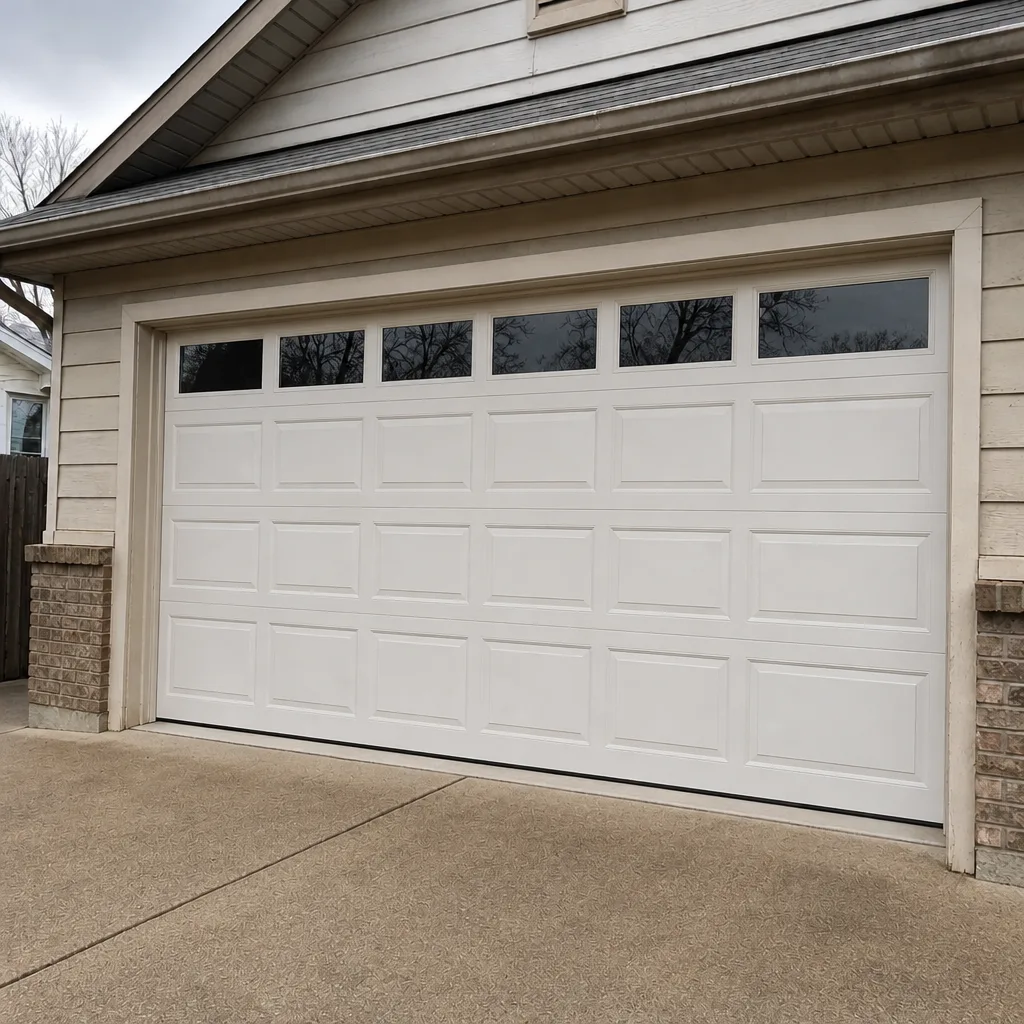 After
When to Call a Professional
Repair work should go to a professional when it involves the door’s counterbalance, its opener wiring, or the structural attachment to the opening. If the door feels heavy, drifts down on its own, or the auto-reverse fails, that’s a repair call, not a maintenance project. If the door is a full replacement, a permitting question precedes any call, and we can walk through the jurisdiction and scope question with you. Spring replacement is the single job we would never recommend a homeowner attempt: the springs are under extreme tension and failure can cause serious injury. Opener electrical work involves line voltage and should be handled by a trained technician. Arvada Garage Door Repair Pros offers free estimates in Arvada. Call (877) 386-3155. We answer 24/7. Fast dispatch from 7am to 7pm, Sunday through Friday.
Frequently Asked Questions
A full garage door replacement typically requires a permit in Arvada, while a like-for-like repair usually does not. Which office issues the permit depends on whether your address is under City of Arvada or Jefferson County jurisdiction, so confirm before ordering the door. Call (877) 386-3155 for an exact quote on the installation itself; estimates are free.
You can sell it, but an unpermitted door can be flagged by a buyer’s inspector and become a negotiation point. The seller will often need to retroactively document compliance, which can mean paying for a re-inspection or redoing work. Pulling the permit when the door goes in is the cleaner path.
No, a spring repair typically does not require a permit because it’s a repair to existing equipment, not an installation or structural change. The work itself is the more urgent issue: springs are under extreme tension, and replacement should always go to a trained technician. Call (877) 386-3155 for an estimate; estimates are free.
An Arvada inspector typically checks the door’s anchoring and framing, track alignment, spring and counterbalance rating, installer’s labeling, and the UL 325 safety features on the opener. Auto-reverse and photo-eye function are tested during the inspection. Any correction is documented and a re-inspection is scheduled.
A misaligned photo eye can fail a home inspection because the safety reverse feature won’t function reliably. The fix is usually simple: realign the sensors, clean the lens, and retest the door’s reverse function. If the opener predates current UL 325 requirements, replacement is the more durable fix. Call (877) 386-3155 for an estimate; estimates are free.
It can, because an insurer may question a claim on an improvement that was never permitted or inspected. That’s a real risk on wind or impact damage claims, and it’s why a permitted installation is the safer choice. The permit is the paper trail your adjuster will look for.
The Bottom Line
A full garage door replacement or structural change in Arvada typically requires a permit, and a repair or spring swap usually does not. Your address determines whether the City of Arvada or Jefferson County governs the permit, so confirm that before the door is ordered. UL 325 compliance on the opener matters at inspection and at resale, and an unpermitted door can create real problems at sale and in an insurance claim. The simplest protection is to schedule the installation through the permit process from day one and to leave the spring and opener work to a trained technician. That approach holds whether you’re in an older Arvada home or newer construction.
Contact Arvada Garage Door Repair Pros
If you’re planning a replacement, a repair, or you’re just not sure whether your job requires a permit, we’re glad to walk through it with you. We work on the brand already in your garage, from LiftMaster and Chamberlain openers to Amarr and Wayne Dalton doors, and we install from the permit through the final inspection. Call Arvada Garage Door Repair Pros at (877) 386-3155 for a free estimate. We answer 24/7. Fast dispatch from 7am to 7pm, Sunday through Friday. The price is quoted and agreed before any work starts, and the written estimate sets the final price.
Written by the team at Arvada Garage Door Repair Pros.