
Last updated November 23, 2026
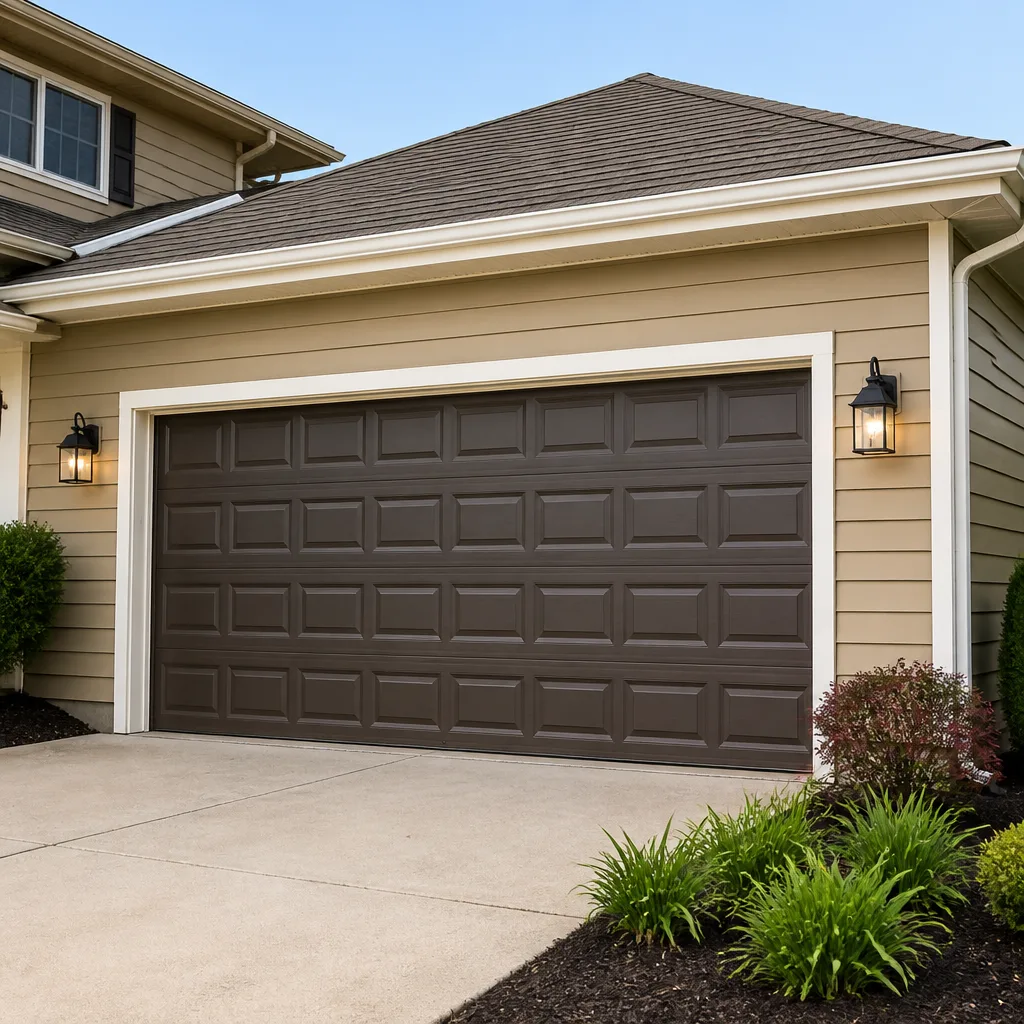 Raised-panel steel
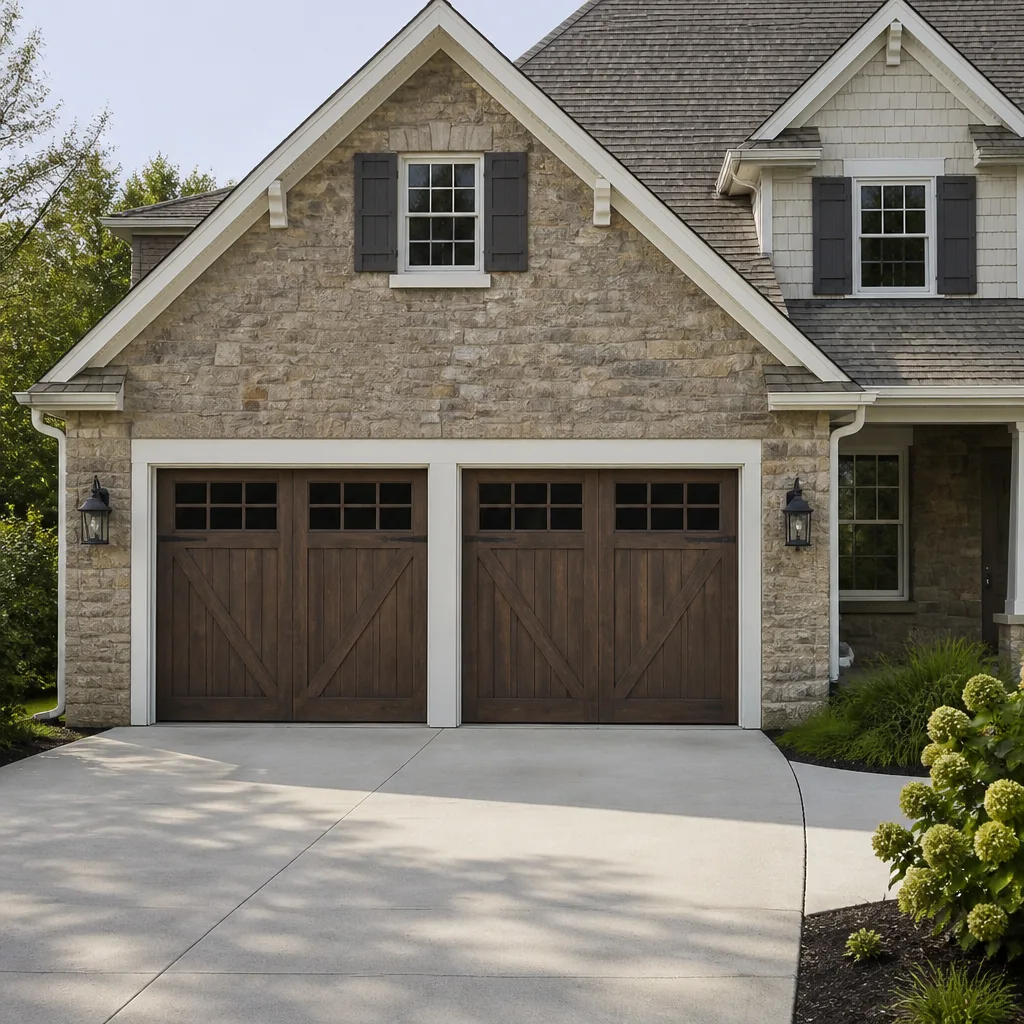 Carriage house
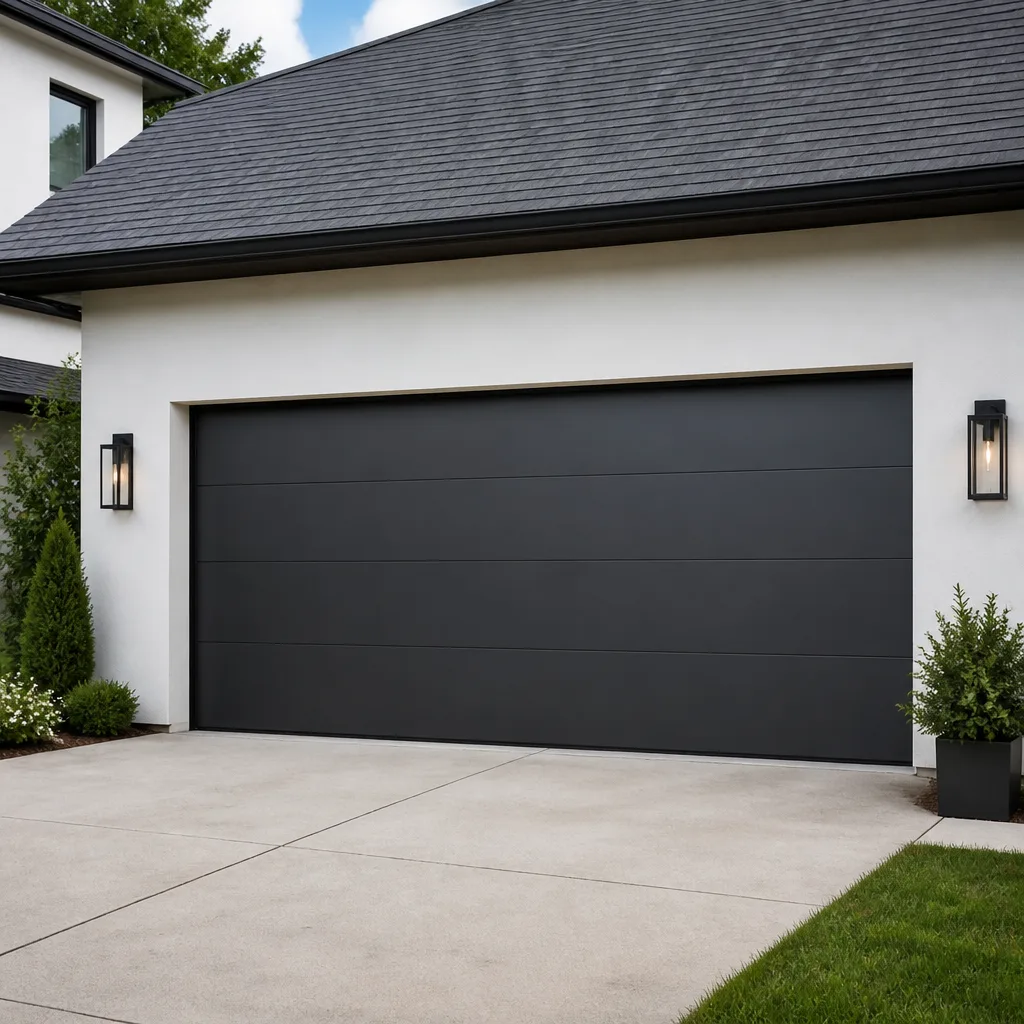 Modern flush
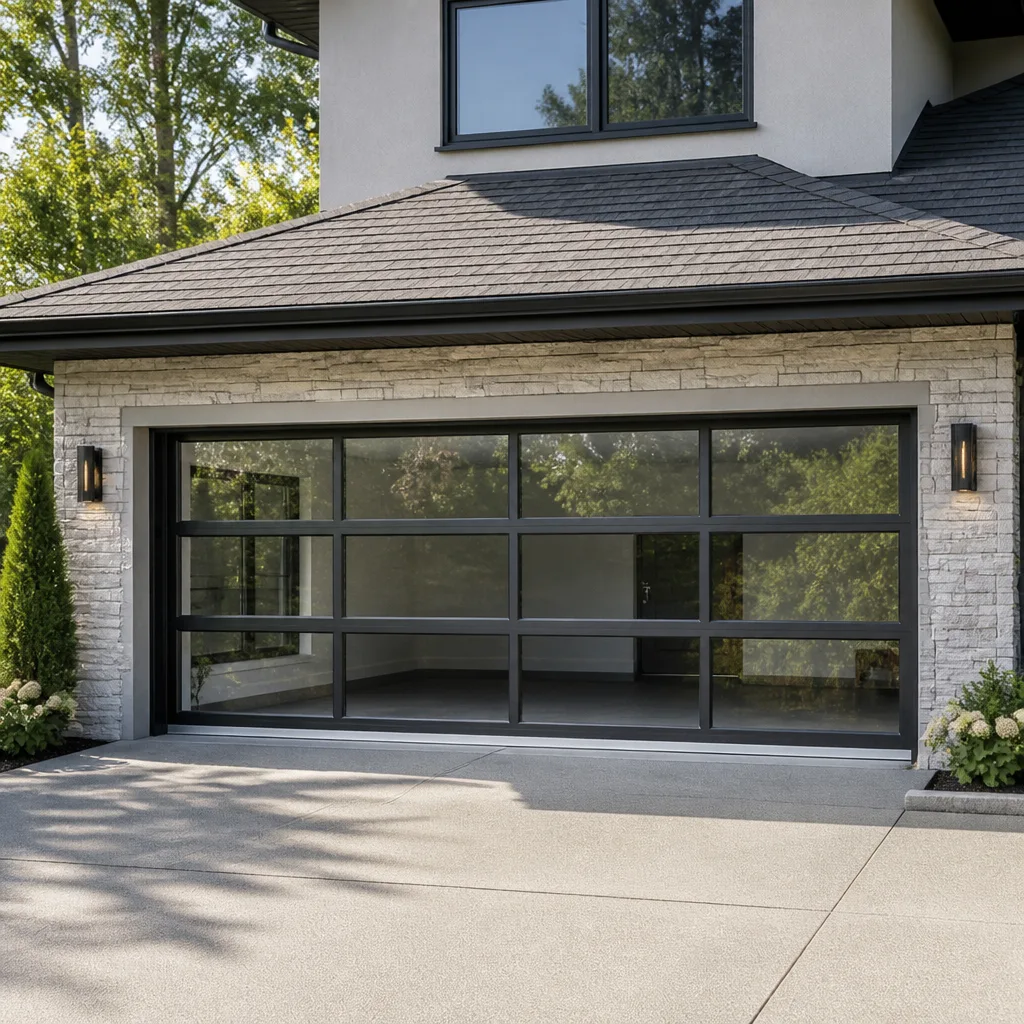 Full-view glass
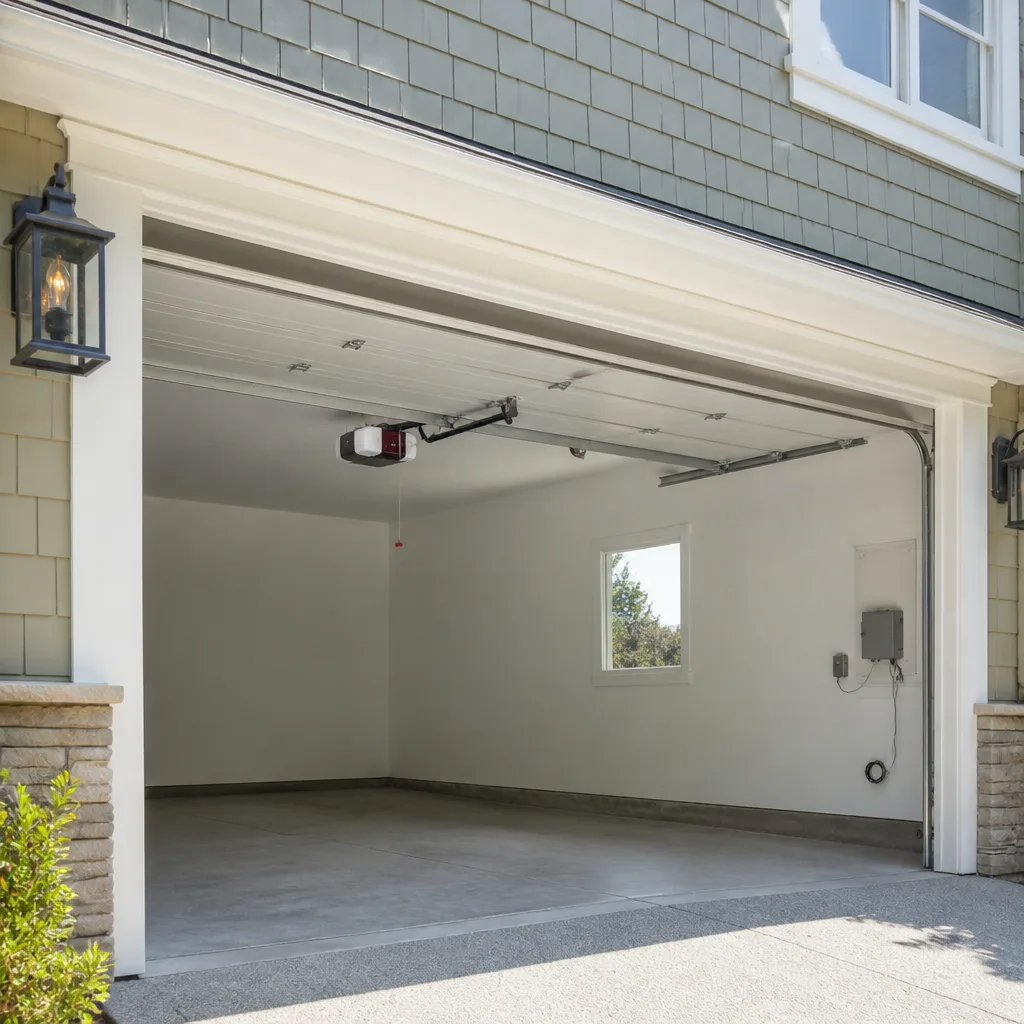 LiftMaster openers
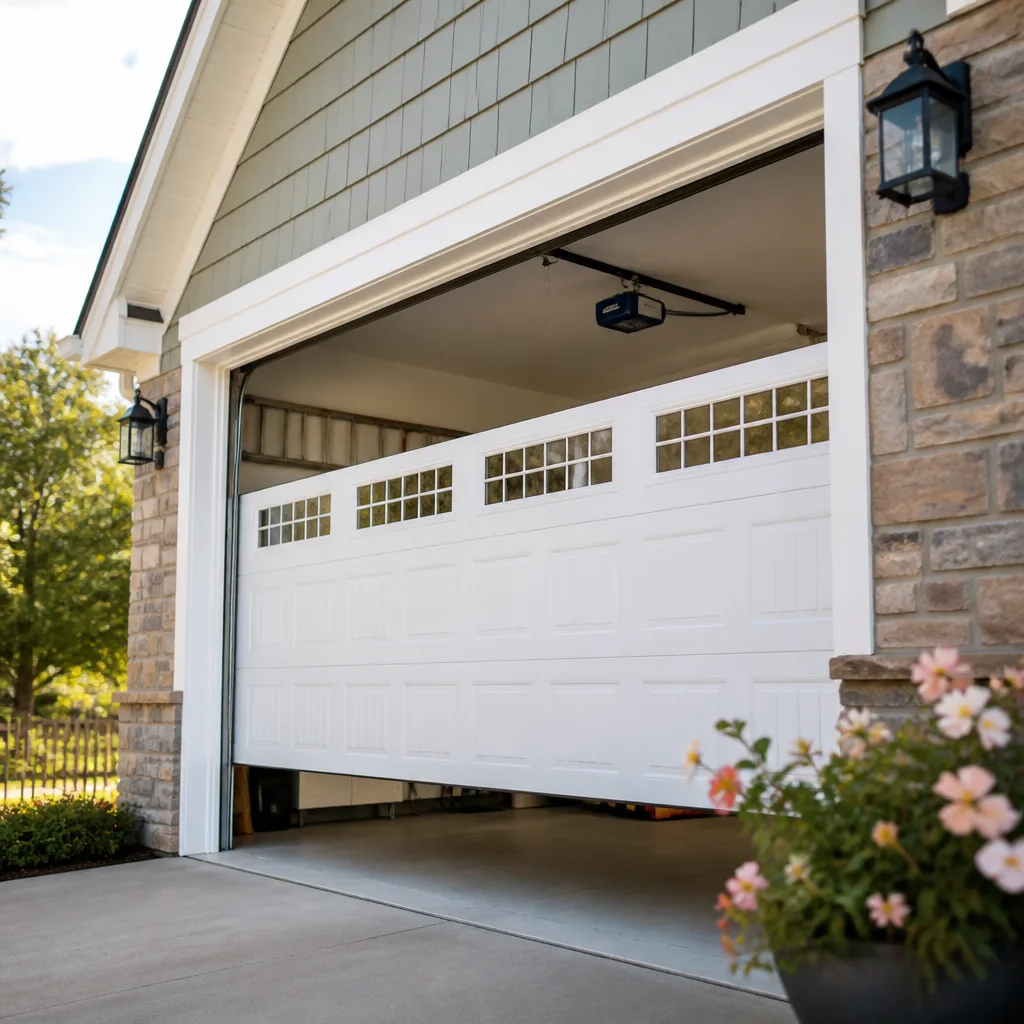 Chamberlain openers
Full 25-point door and opener safety check with every visit - springs, cables, rollers, tracks, and your LiftMaster or Chamberlain opener included
You get a price before we start. It does not change when the pro arrives.
Get your free estimateSeasonal Garage Door Care for Arvada: Year-Round Homeowner’s Guide
Winter gets all the blame. Ask most homeowners in Arvada what breaks a garage door and they’ll point at the cold snap in January. But in our experience, the heaviest spring failure season here is late spring, not deep winter. Metal that has cycled through months of thermal stress finally reaches its fatigue limit when April swings fifty degrees in a week. The cold didn’t break it. The recovery did. Arvada sits at the foot of the Front Range, and that geography hands your garage door four distinct technical problems across the year, one per season. This guide treats each season as its own diagnosis: fall track alignment before the ground freezes, winter lubricant thresholds, spring fatigue checks, and summer UV damage. By the end you’ll have a one-hour inspection routine that catches most of the failure causes we see in Arvada before any of them turn into an emergency call.
Quick Answer
Seasonal garage door care in Arvada means matching your maintenance to what each season actually does to the system: check track alignment in fall before the ground freezes and shifts the slab, switch to cold-rated lubricant in winter once temperatures drop toward -10°F, diagnose spring fatigue and bottom-seal damage in spring after thermal cycling and snowmelt, and inspect panel surfaces for UV damage in summer. A one-hour inspection at each seasonal change catches most common failure causes before they become emergency repairs.
Styles & brands we work with
- Raised-panel steel
- Carriage house
- Modern flush
- Full-view glass
- LiftMaster openers
- Chamberlain openers
Table of Contents
- Why Arvada’s Seasons Treat Your Garage Door Differently
- Fall: Track Alignment Before the Ground Freezes
- Winter: The -10°F Lubricant Threshold
- Spring: Metal Fatigue and Snowmelt Damage
- Summer: UV Degradation and Panel Material
- The One-Hour Seasonal Inspection Routine
- Common Mistakes to Avoid
- When to Call a Professional
- Frequently Asked Questions
Why Arvada’s Seasons Treat Your Garage Door Differently
A garage door is a mechanical system bolted to a structure that moves. That’s the whole problem in one sentence. The door frame, the slab, the tracks and the springs all respond to temperature at different rates, and Arvada’s climate pushes those differences hard. Summer afternoons can run hot and dry; winter nights along the Front Range routinely reach -10°F. Between those extremes, the hardware expands, contracts, and flexes thousands of times across a year.
Most seasonal care advice online is written for a generic climate. It tells you to “lubricate twice a year and check the balance.” That’s not wrong, but it’s not specific enough to prevent anything. A homeowner in Arvada faces concrete failure modes that a homeowner in a mild coastal climate never sees:
- Ground freeze and thaw shift the slab and frame geometry, which throws track alignment out over winter.
- Deep cold congeals standard lubricants and loads the opener motor with extra strain.
- Rapid spring temperature swings stress torsion and extension springs right at their fatigue limit.
- Snowmelt pools at the door threshold and works its way into bottom seals and weatherstripping.
- High-altitude sun delivers more UV per hour than lower elevations, and panel materials fade and degrade at different rates.
Each of those is a separate technical problem with a separate check. Treating them as one generic “maintenance” task is how homeowners miss the one that’s about to fail. For the spring and opener failures that result, our garage door spring repair and garage door opener repair pages cover the repair side. This guide is about catching them early.
Fall: Track Alignment Before the Ground Freezes
Fall is the most underrated season for garage door care in Arvada, because it’s your last window to correct geometry before the ground locks up. When soil moisture freezes, the slab under your garage and the frame around the opening can shift slightly. A door that was perfectly aligned in September can be out of square by February. The fix is to check alignment in fall, while adjustments are still easy, rather than in mid-winter when everything is rigid.
Here’s what to check before the first hard freeze:
- Vertical track plumb. Hold a level against each vertical track. Both should be plumb and parallel to each other. A visible gap at the top or bottom means the track has moved.
- Track fasteners. Check the bolts and brackets that hold the tracks to the frame. Loose fasteners let the track drift as the frame moves with temperature.
- Door gap at the sides. With the door closed, look at the gap between the door edge and the track on both sides. An uneven gap signals the frame has shifted.
- Roller condition. Worn or flat-spotted rollers drag in the track and accelerate misalignment. Check each roller for smooth rotation.
- Bottom seal contact. The bottom seal should meet the floor evenly across the full width. Gaps at one end mean the door is sitting crooked.
If the door is binding, scraping, or running unevenly, don’t force it. Misalignment left through the freeze often leads to bent tracks and worn opener gears by spring. That’s when homeowners call us for garage door repair, and it’s usually a bigger job than an October adjustment would have been.
Winter: The -10°F Lubricant Threshold
Here’s a number worth remembering: -10°F. That’s a temperature Arvada sees on cold winter nights along the Front Range, and it’s roughly where standard garage door lubricants stop doing their job. Most general-purpose oils and greases thicken dramatically as they approach that range. The lubricant doesn’t disappear. It congeals into a sticky film that adds drag to every moving part. Your opener motor then works harder on every cycle, and an opener pushed past its design load will eventually fail.
Cold-rated lubricants hold their viscosity at low temperatures. The right products for an Arvada winter:
- Silicone-based spray lubricant for hinges, rollers and springs. It stays fluid well below zero and doesn’t attract dust.
- Lithium grease rated for low temperature for the opener’s drive screw or chain, following the opener manufacturer’s recommendation.
- White lithium or silicone on the torsion bar bearings (not the spring coils themselves, which should be left to a technician).
Avoid heavy automotive grease and any general-purpose oil not rated for cold. Both turn to sludge at Arvada winter temperatures and do more harm than good. If you own a LiftMaster or Craftsman opener, check the manual for the manufacturer’s cold-weather guidance; some units have specific requirements. Beyond lubrication, listen to the opener in winter. A motor that strains, hums without moving, or reverses partway through travel is telling you the load is too high. Our garage door opener repair page covers what those symptoms mean.
Winter also stiffens weatherstripping along the door edges and top. If the door is hard to close or the seal doesn’t compress, the rubber has hardened and needs replacement before it cracks.
Spring: Metal Fatigue and Snowmelt Damage
Spring is when the bill for winter comes due. A torsion spring or extension spring goes through thousands of tension cycles across a year, and each cycle through a temperature swing stresses the metal slightly. When temperatures jump fifty degrees in a week, as they regularly do in Arvada in April, the spring is asked to expand and contract faster than at any other time of year. That’s when a fatigued spring gives out. It’s a predictable pattern, and it’s why our spring repair service is a dedicated offering rather than a sideline. Springs are the most dangerous component in your garage door system, and this is work that demands a specialist.
What to look for in spring:
- A visible gap in the spring coil. A torsion spring with a clean break will show a separated coil. Stop using the door.
- Slack or stretched extension springs. Extension springs that hang loose or look stretched have lost tension and are close to failing.
- Loud bang followed by a door that won’t lift. This is a broken spring. Do not attempt to lift the door manually; call for service.
- Uneven lift. If one side of the door rises faster than the other, a spring or cable is compromised.
Spring replacement is not a DIY repair. The springs are under extreme tension, and releasing or adjusting them without the right tools and training can cause serious injury. If you suspect a spring problem, stop operating the door and call a professional.
Spring also brings the snowmelt problem. As snow melts off the roof and driveway, water pools at the threshold of the garage. The bottom seal and the weatherstripping along the sides are your first line of defense, and they take the most punishment. Check for:
- Cracks or hardening in the bottom seal. Squeeze it; if it doesn’t spring back, it’s done.
- Water stains or dampness inside the garage along the door line. That’s snowmelt getting past the seal.
- Peeling or lifting weatherstripping on the jambs. Adhesive fails as the material ages.
- Pooling on the floor near the threshold. Poor site grading or a blocked drain makes it worse.
Summer: UV Degradation and Panel Material
Colorado’s high-altitude sun is genuinely different. At Arvada’s elevation, there’s less atmosphere between you and the sun, so UV exposure per hour is higher than at sea level. That matters to your garage door panels, because the material they’re made of determines how fast fading becomes structural compromise.
Different panel materials respond differently:
- Steel panels with a factory finish hold up well, but once the paint fades or chips, rust can start at the edges. Fading on steel is usually cosmetic until bare metal shows.
- Aluminum panels resist rust but fade noticeably; surface oxidation dulls the finish faster than on steel.
- Wood and wood-composite panels are the most UV-sensitive. Sun breaks down the finish, the wood dries, and cracks open, which lets moisture in and leads to rot. That’s when fading becomes structural.
- Vinyl and composite panels fade and can become brittle with prolonged UV exposure; color change is a warning sign.
What to check each summer:
- Color change on the sun-facing panel. A noticeable difference between the front and back of the door means UV is working on the finish.
- Chalking or a powdery surface. The finish is breaking down.
- Hairline cracks, especially on wood or composite. These let moisture in and need sealing.
- Dents, chips or bare metal. Touch these up before rust starts.
If your panels are wood or composite and show fading or cracking, a refinish or seal can extend the life of the door. Once the substrate is compromised, you’re looking at panel replacement or a new door. For the full picture on replacement, see our garage door repair and installation resources. We work with the brand already in your garage, including Clopay, Amarr and Wayne Dalton panels.
The One-Hour Seasonal Inspection Routine
A one-hour inspection at each seasonal change catches the vast majority of the failure causes we see in Arvada. The routine is the same every time; what changes is what you’re looking for, based on the season. Work through these steps in order, once in fall, once in winter, once in spring, once in summer.
- Visual sweep (5 minutes). Look at the door from inside and outside. Check for dents, bent tracks, gaps at the sides and bottom, and anything hanging loose.
- Spring check (5 minutes). Look at the torsion spring above the door or the extension springs on each side. A visible gap, stretch or slack means stop and call a technician.
- Track alignment (10 minutes). Level against each vertical track, check the gap on both sides, and look for loose fasteners. This is critical in fall.
- Roller and hinge inspection (10 minutes). Check each roller for smooth rotation and each hinge for wear. Replace worn parts.
- Lubrication (10 minutes). Use silicone spray on hinges, rollers and tracks (not the track surface itself, but the moving parts). Use cold-rated grease on the opener drive in winter.
- Seal and weatherstripping check (10 minutes). Squeeze the bottom seal, check for cracks, and inspect the side and top weatherstripping for hardening or lifting. Most important in spring after snowmelt.
- Panel surface check (5 minutes). Look for fading, chalking, cracks and bare metal. Most important in summer after peak UV exposure.
- Balance and safety test (5 minutes). Disconnect the opener and lift the door halfway. It should hold its position with minimal effort. Then test the auto-reverse by placing a block under the door and closing it; the door should reverse on contact.
That’s roughly an hour. Done four times a year, it turns most emergency calls into routine maintenance. The parts that fail in Arvada fail predictably, and each season tells you which part to look at.
See the difference
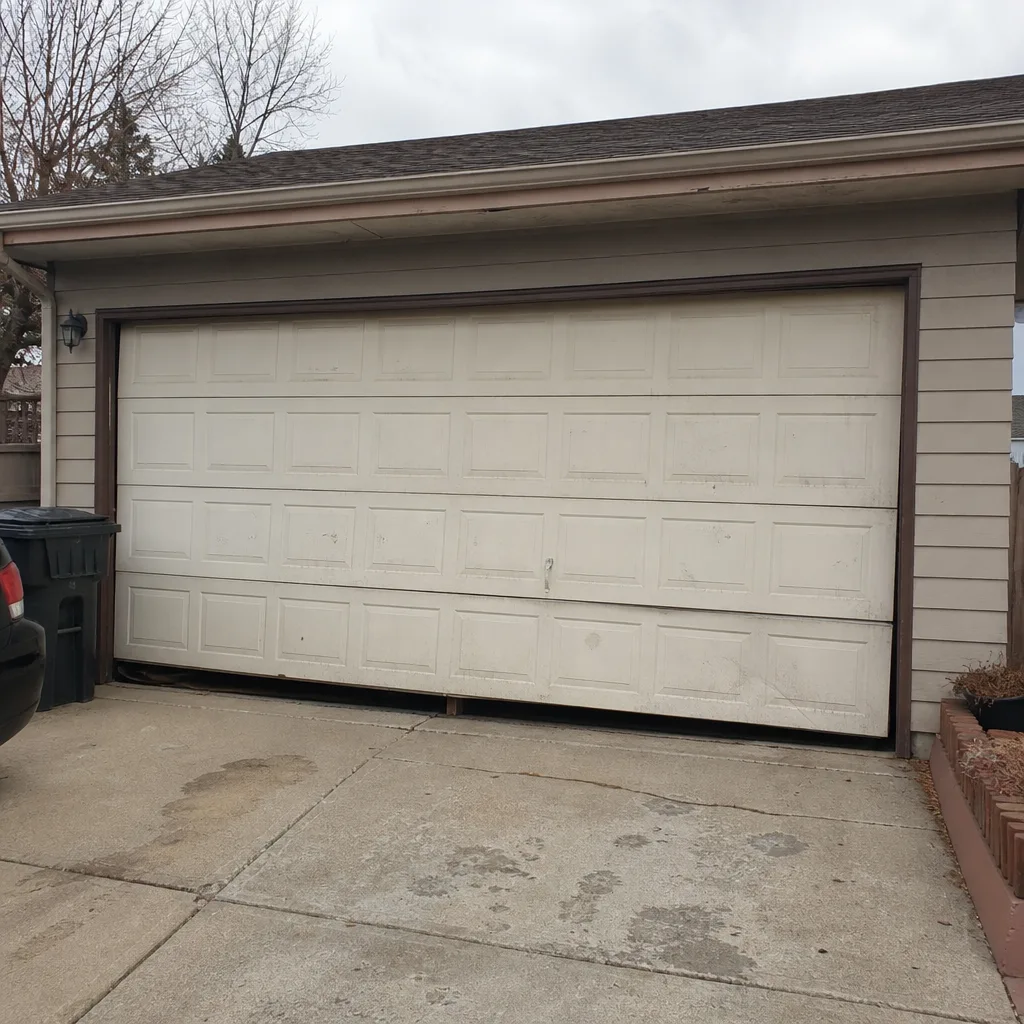 Before
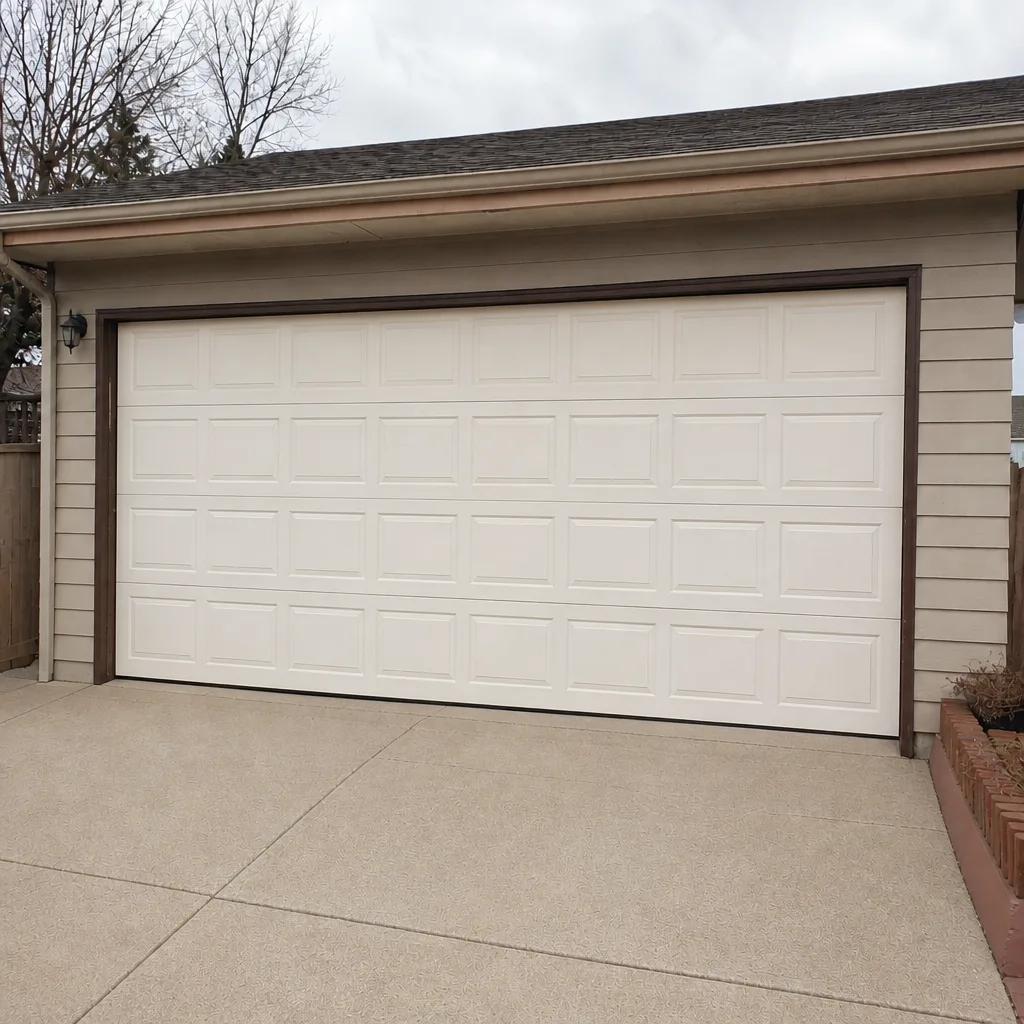 After
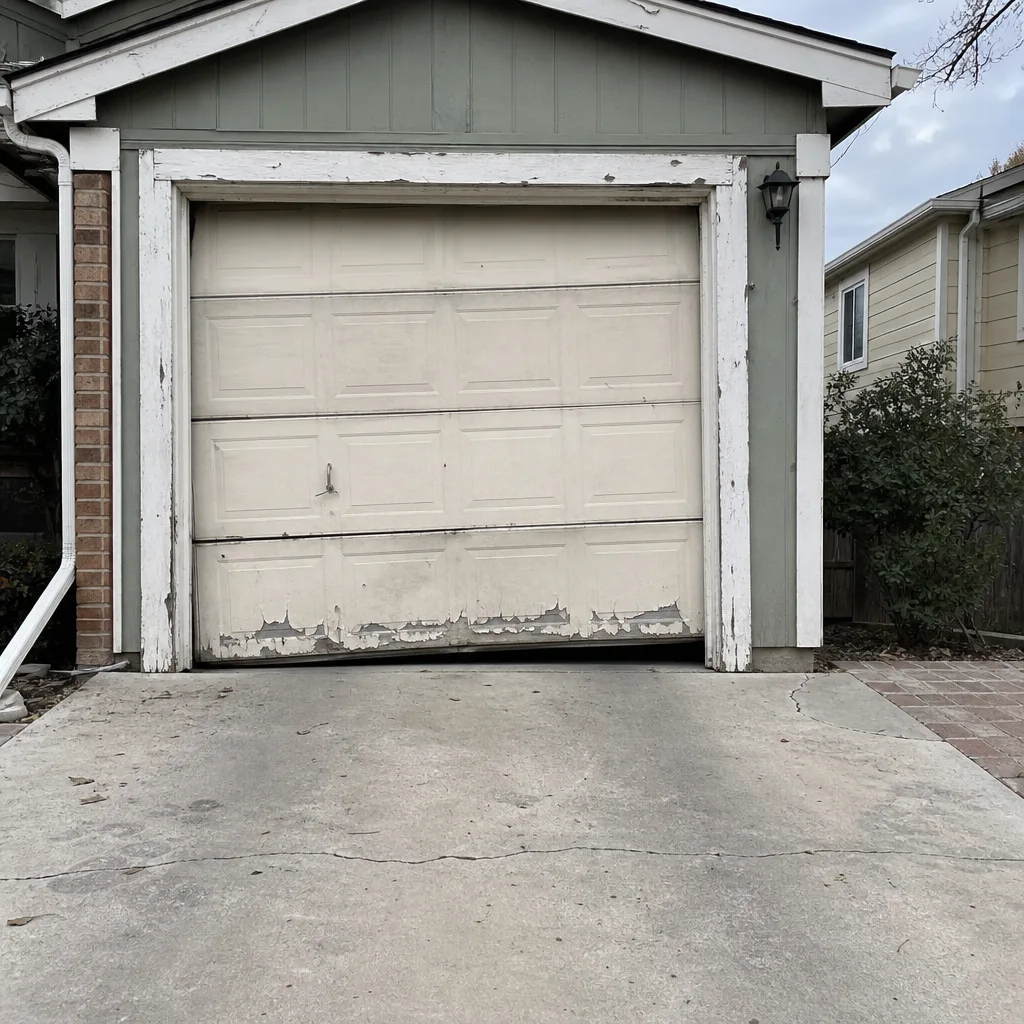 Before
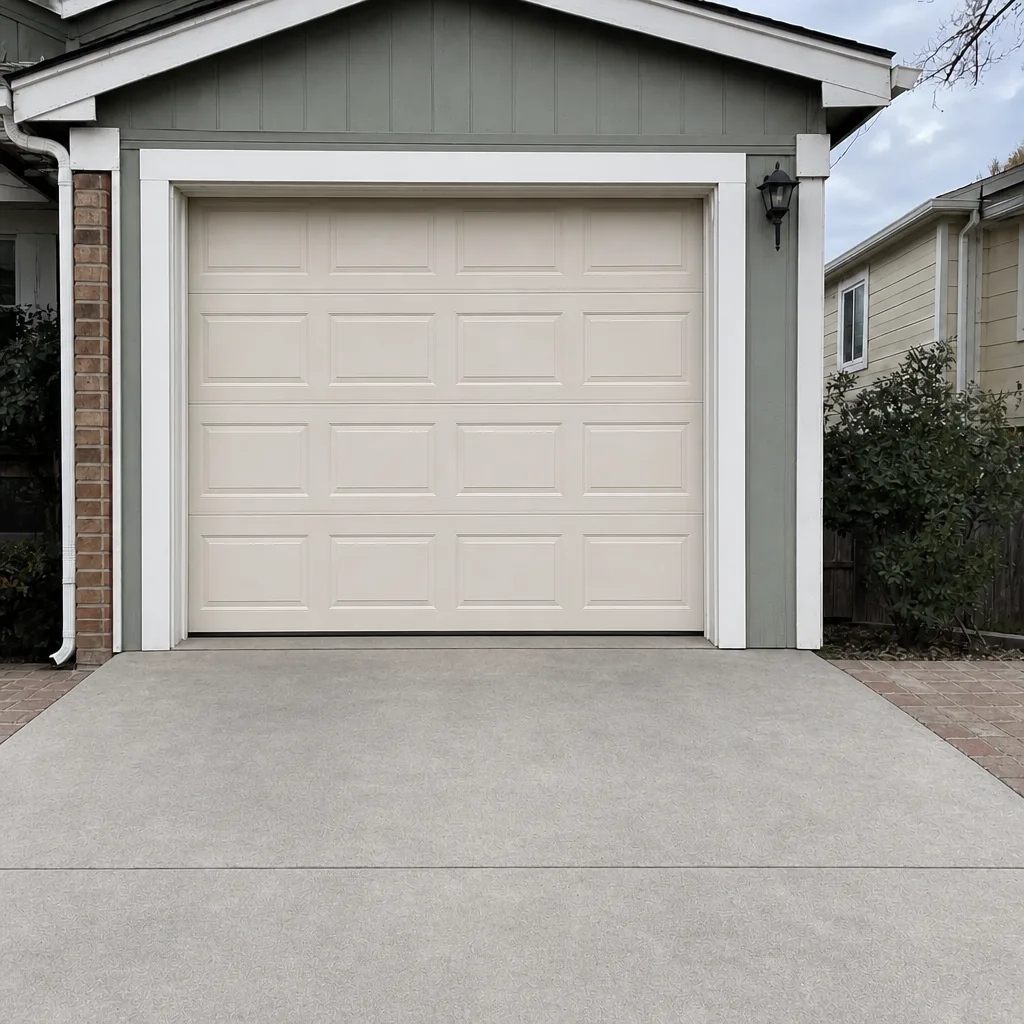 After
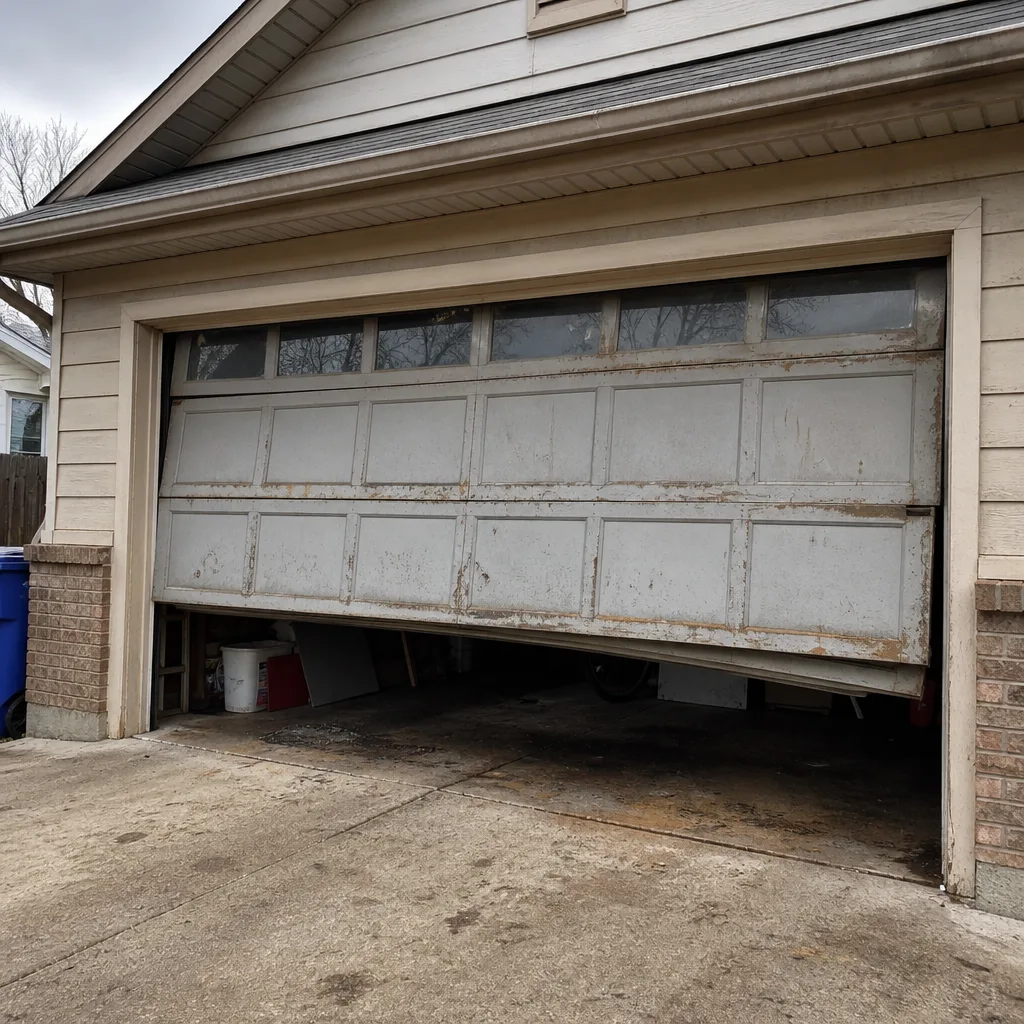 Before
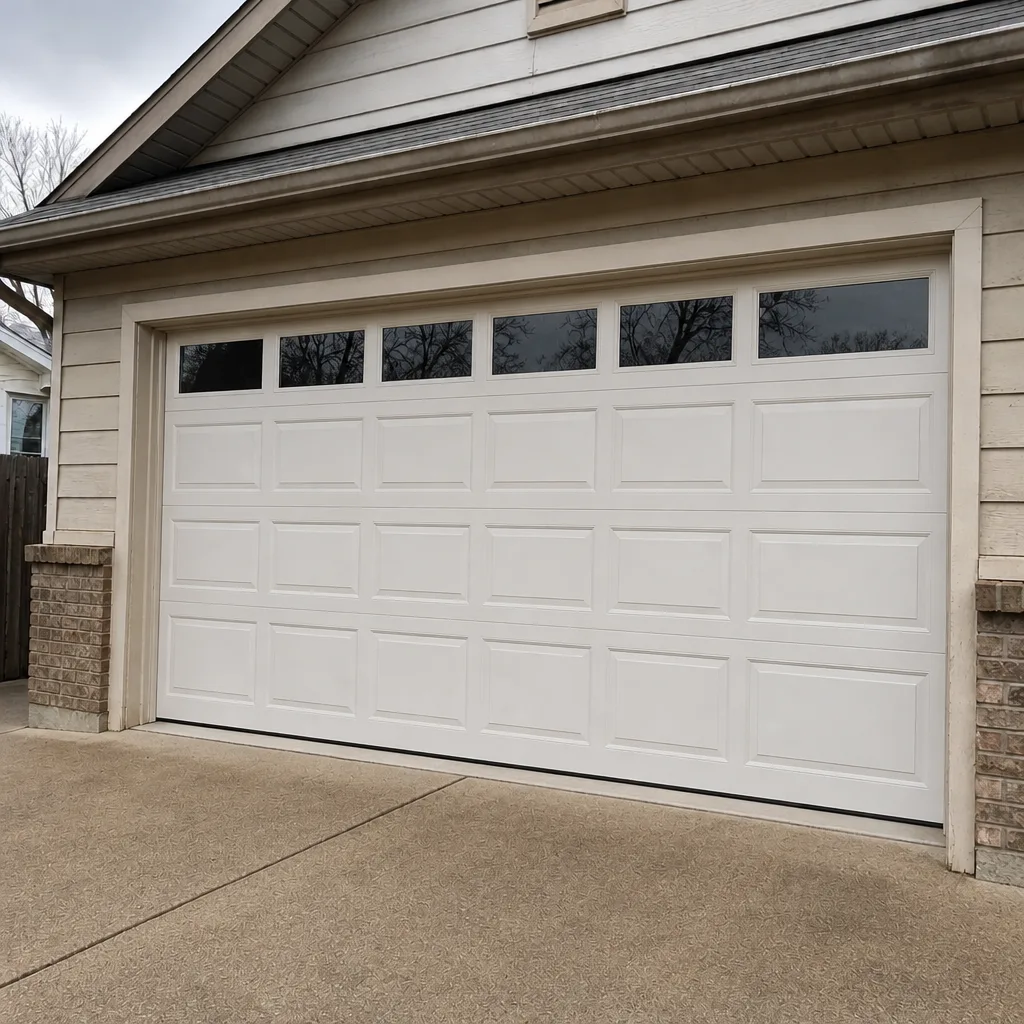 After
Common Mistakes to Avoid
- Lubricating with the wrong product in winter. Standard oil and heavy grease congeal near -10°F and strain the opener. Use cold-rated silicone and lithium products in winter, and check your opener manual for manufacturer guidance.
- Skipping the fall track check. The freeze locks whatever geometry exists in November. If it’s off then, it stays off all winter, and misalignment leads to bent tracks and opener wear.
- Ignoring the bottom seal after snowmelt. A cracked or hardened seal lets water and cold air in and is easy to overlook because it’s at floor level. Check it every spring.
- Assuming fading is always cosmetic. On wood and composite panels, faded finish and hairline cracks are the start of structural breakdown. Cosmetic fading on steel is different; learn to tell them apart.
- Treating a broken spring as a handyman job. Torsion and extension springs are high-tension hardware. Adjusting or replacing them without training and the right tools risks serious injury. Leave it to a technician.
- Forcing a binding door. If the door scrapes or binds, stop. Forcing it through a jam bends tracks and burns out opener gears, turning an adjustment into a repair.
- Skipping the safety test. The auto-reverse test takes five minutes and confirms a critical safety feature is working. It’s the step most homeowners skip.
When to Call a Professional
Some jobs fit a homeowner’s inspection routine. Others demand a trained technician. Call a professional when you see a broken or slack spring, a door that jumps or binds in the track, an opener that hums without moving or reverses partway through travel, or tracks that are visibly bent or out of plumb. Call too if the door is hard to lift or falls fast when you test its balance, or if you have a security concern and need a door working again soon; we offer emergency service for those situations.
Springs in particular are work for a specialist. If you suspect a spring problem, don’t run the door, and don’t try to fix it yourself. For everything else, a professional diagnosis on a set schedule beats an emergency repair later. Arvada Garage Door Repair Pros offers free estimates in Arvada – call (877) 386-3155. We answer 24/7. Fast dispatch from 7am to 7pm, Sunday through Friday.
Frequently Asked Questions
Late spring is when most spring failures happen in Arvada, not winter. Springs accumulate fatigue from thousands of tension cycles through winter’s temperature swings, then fail when April temperatures jump fifty degrees in a week. It’s metal fatigue, not the cold itself, that does the damage. If a spring fails, our garage door spring repair team can help.
Standard garage door lubricants start to congeal and lose effectiveness around -10°F, which is a temperature Arvada reaches on cold winter nights. Below that threshold, standard grease and oil thicken into a film that adds drag and strains your opener motor. Switch to silicone-based spray for moving parts and low-temperature-rated lithium grease for the opener, and check your opener manual for manufacturer-specific guidance.
Track alignment shifts in fall and winter because the ground actually moves. When soil moisture freezes, the slab under the garage and the frame around the door can shift slightly. A door aligned in September can be out of square by February. Check track plumb and fastener tightness in fall, before the ground freezes, and correct any misalignment while adjustments are still easy.
No, but it needs a check every spring. Snowmelt pools at the door threshold and the bottom seal takes the most punishment, so it ages faster than other seals. Feel it each spring: if it’s hard, cracked, or doesn’t spring back when squeezed, it’s time to replace it. A seal that’s still supple can last multiple seasons.
Yes, all panels fade faster at high altitude because UV exposure per hour is higher than at sea level.
How much it matters depends on the material. Steel and aluminum fade mostly cosmetically. Wood and composite panels are the real concern: UV breaks down the finish, dries the wood, and opens hairline cracks that let moisture in. Once that happens, fading becomes structural. Check the sun-facing panels each summer for color change, chalking and cracks.
You can and should do the visual inspection, lubrication, seal checks and safety tests yourself. Those are the parts that prevent most problems. But springs, cables and tracks that need adjustment are work for a trained technician. Springs in particular are under high tension and are the most dangerous component in the system. If you see a broken spring or a door that’s binding badly, call a professional.
Call (877) 386-3155. We answer 24/7. We’re closed on Saturday, and a call outside dispatch hours is booked into the next opening, Sunday through Friday, 7am to 7pm. Don’t force the door manually if you suspect a broken spring.
The Bottom Line
Arvada’s climate gives your garage door four separate problems, one per season. Fall is track alignment before the ground freezes. Winter is cold-rated lubricant before the -10°F threshold congeals standard grease and strains the opener. Spring is spring fatigue and snowmelt working on bottom seals. Summer is UV fading on your particular panel material. Handle each season’s one-hour inspection and you’ll catch the vast majority of failure causes before they turn into emergency calls. When a job calls for spring work, opener repair or a full replacement, work with a company that knows the brand already in your garage. From opener remote to full door replacement, one call, one company.
Our technicians have up to 15 years of experience with systems from LiftMaster, Chamberlain, Genie, Clopay, Amarr, Wayne Dalton, Craftsman and Raynor. We handle diagnosis, repair, spring replacement, opener work and installation in-house. No subcontractors. Get it diagnosed correctly the first time. When you’re ready for a free estimate, call (877) 386-3155. We answer 24/7. Fast dispatch from 7am to 7pm, Sunday through Friday. For everything from a single callout to a full new door, visit Arvada Garage Door Repair Pros to see the full range of what we cover.
Written by the team at Arvada Garage Door Repair Pros.