
Last updated November 23, 2026
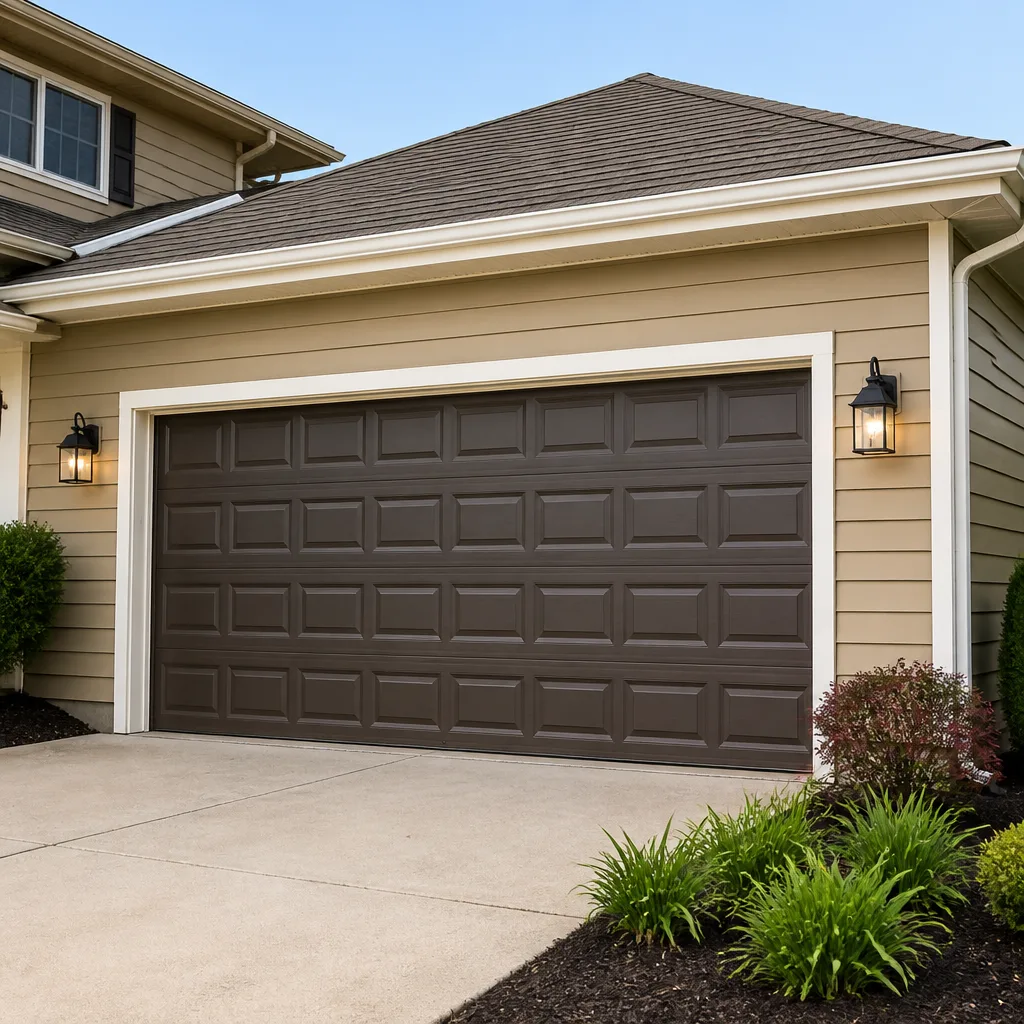 Raised-panel steel
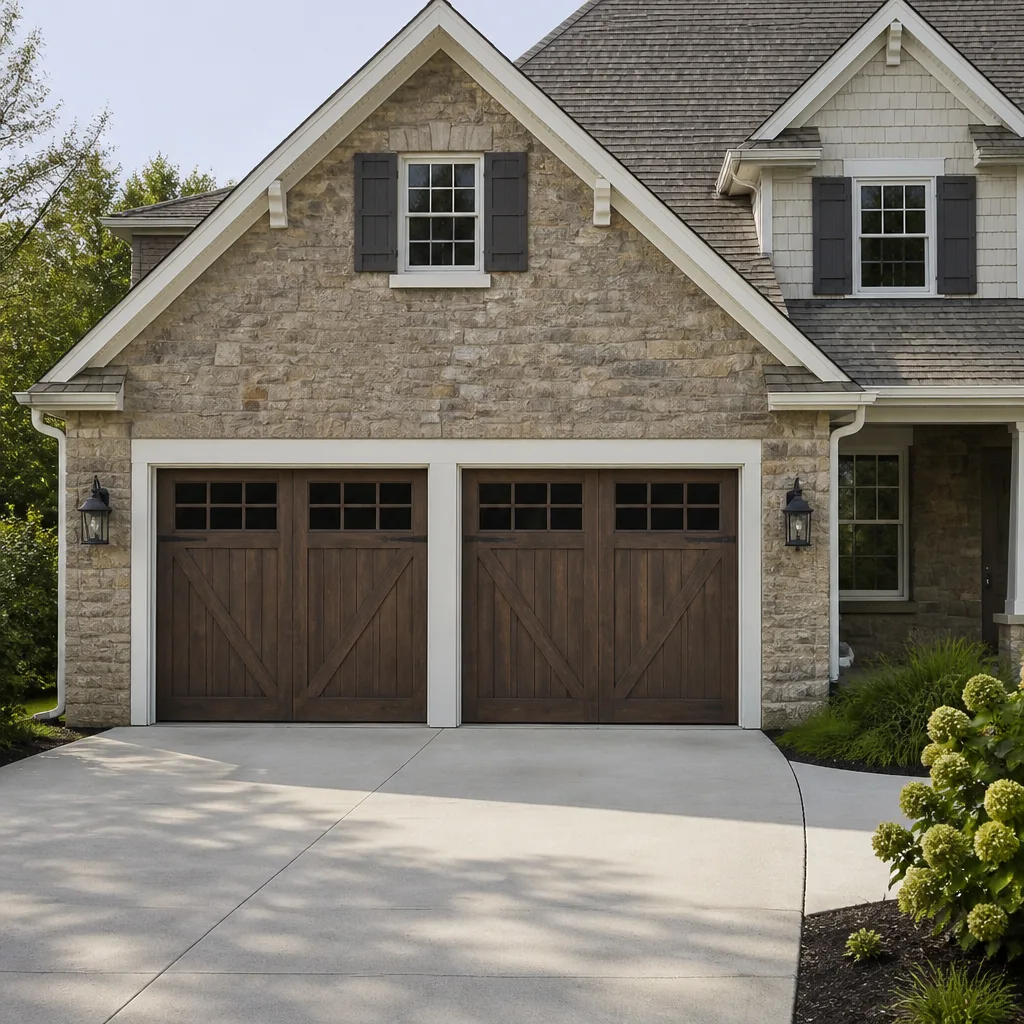 Carriage house
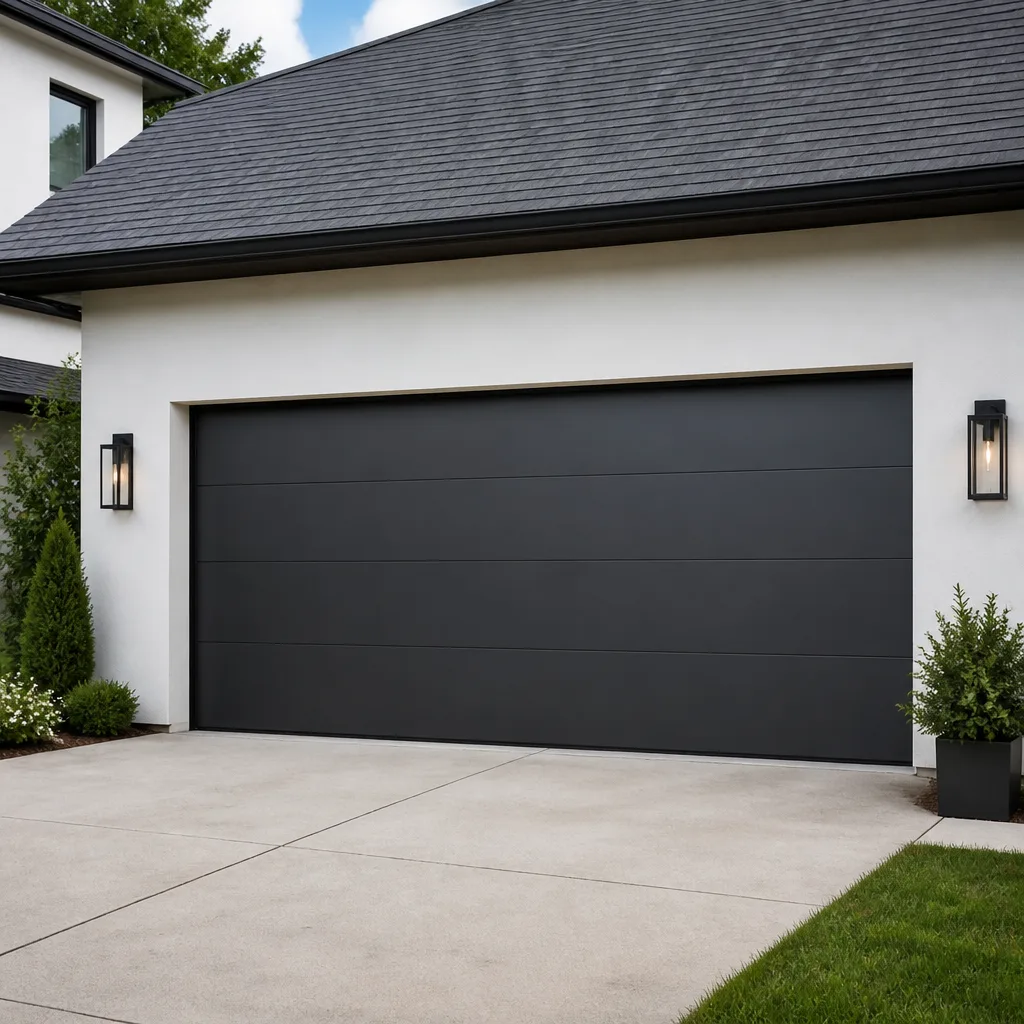 Modern flush
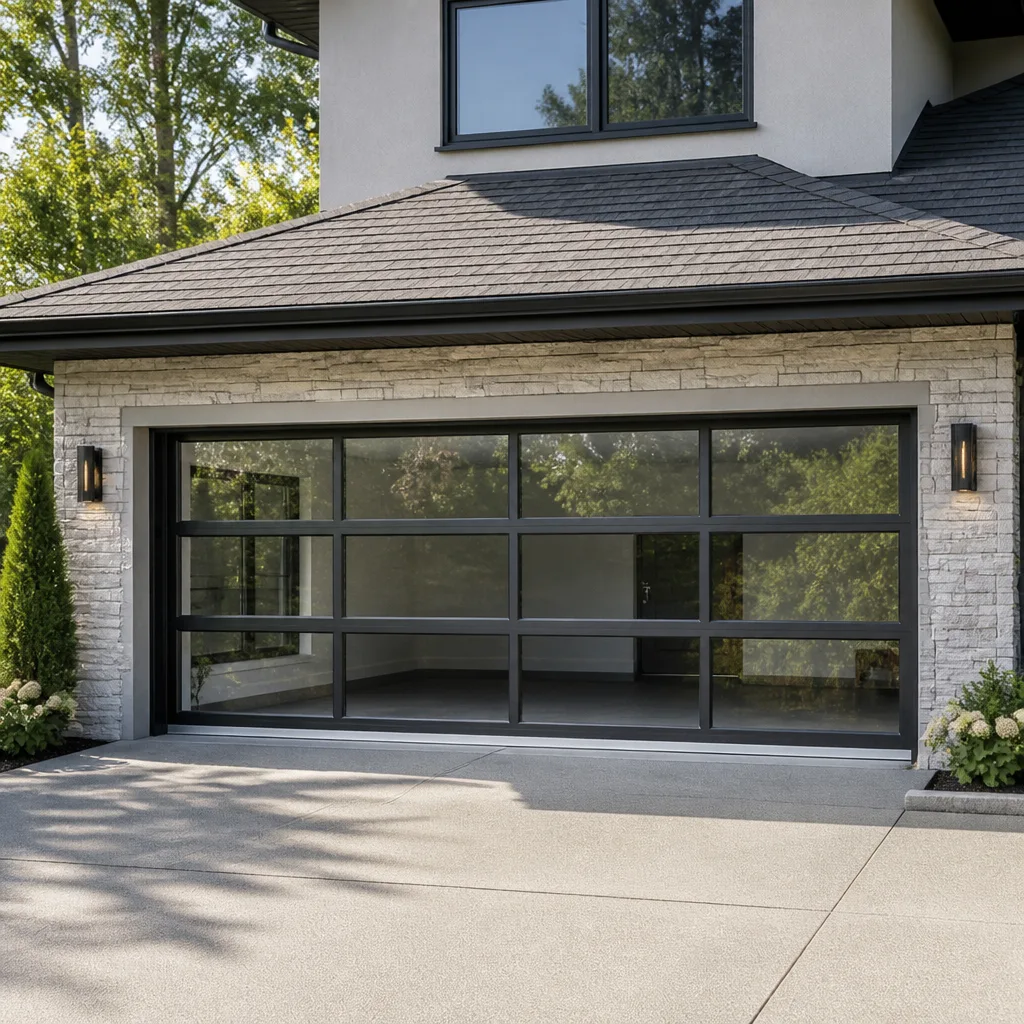 Full-view glass
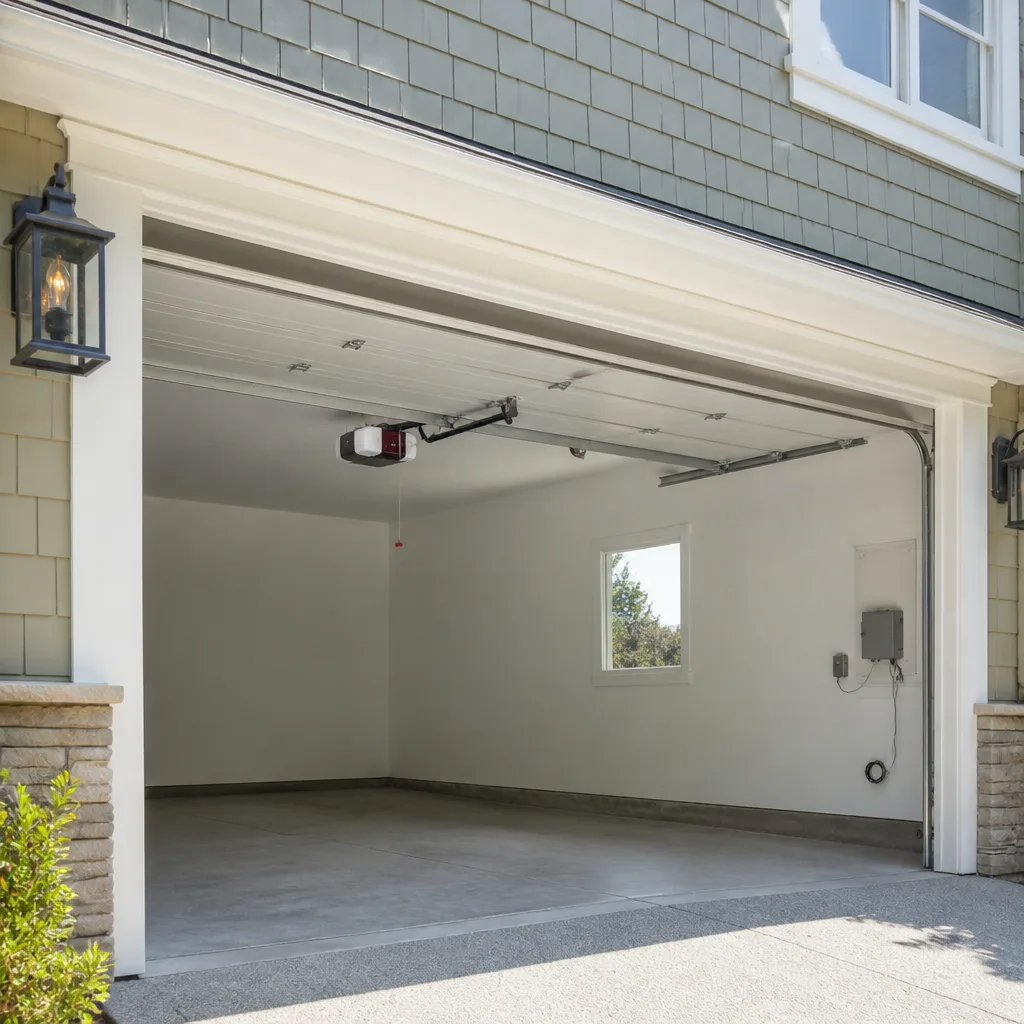 LiftMaster openers
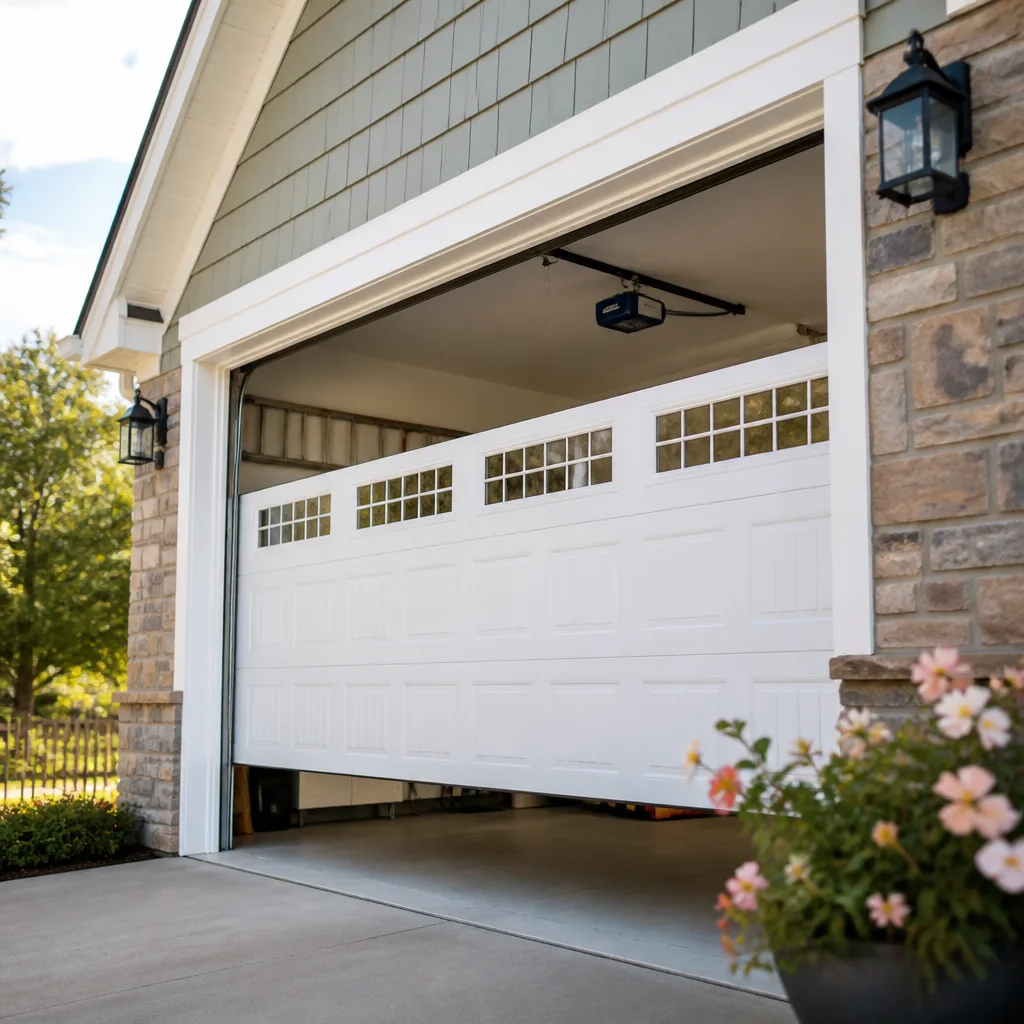 Chamberlain openers
Full 25-point door and opener safety check with every visit - springs, cables, rollers, tracks, and your LiftMaster or Chamberlain opener included
You get a price before we start. It does not change when the pro arrives.
Get your free estimateGarage Door Warning Signs: An Arvada Homeowner’s Reference Guide
A garage door that hesitates for two seconds before moving isn’t being “slow.” It’s showing you that the opener motor is working against mechanical resistance, and if that resistance goes unaddressed for another month, the motor winds up carrying a load it was never built to carry. Most garage door failures across Arvada don’t arrive without notice. They announce themselves days or weeks ahead through sound, motion, and small visual cues that are easy to read once you know what you’re looking at. The difference between a scheduled repair and a 7 a.m. scramble comes down to recognizing those cues early. This guide walks through the sounds, symptoms, and 60-second checks that tell you whether your door needs attention now or can wait for a planned visit.
Quick Answer
The most reliable garage door warning signs are a door that moves unevenly or hesitates, grinding or popping noises during operation, a door that won’t stay balanced when opened halfway, and an opener that runs but doesn’t lift the door. A popping sound or a visibly bent spring means stop using the door and call a professional; a squeaky roller or a slow-moving door can usually wait for a scheduled repair. Intermittent problems are often more urgent than consistent ones because their failure timeline is unpredictable.
Styles & brands we work with
- Raised-panel steel
- Carriage house
- Modern flush
- Full-view glass
- LiftMaster openers
- Chamberlain openers
Table of Contents
- Sound-Based Diagnostics: What Your Door Is Telling You
- Visual Indicators: Immediate Attention vs. Scheduled Visit
- The 60-Second Door Balance Test
- Opener Behavior: Electrical Failure vs. Mechanical Failure
- Why Intermittent Problems Are More Urgent Than Consistent Ones
- Spring Warning Signs and Why They Matter Most
- Arvada Climate, Housing, and Garage Door Wear
- Preventive Habits That Extend Door Life
Sound-Based Diagnostics: What Your Door Is Telling You
Sound is the first diagnostic tool a technician uses, and it’s the one you have access to every time the door runs. A garage door in good condition makes a low, steady hum from the opener and a smooth roll from the door itself. Once you learn to separate the sounds, you can narrow down where the problem lives before anyone opens a toolbox.
Here’s how the three most common diagnostic sounds translate:
- Grinding noise: This points to the track and roller system. Rollers wear flat spots, tracks accumulate grit, and a dry hinge produces a metal-on-metal grind. Grinding is usually a mechanical wear issue, and it tends to get worse slowly rather than failing all at once.
- Popping sound: A pop, especially one that repeats during a single open-close cycle, is the sound of a torsion spring under stress. A spring that’s beginning to fail or has already cracked will pop as the coil shifts. Stop operating the door and get it inspected. Springs are the most dangerous component in a garage door system, and popping is the sound of stored energy looking for somewhere to go.
- Clicking rhythm: A regular click-click-click that repeats with the door’s travel often means the opener’s logic board or the gear strip inside the unit. Electronic clicking is an opener problem, not a door problem, and the fix is entirely different. We’ve seen homeowners replace rollers chasing a click that was coming from inside the opener housing.
Squealing and squeaking fall into a fourth category: lubrication and roller wear. These are the least urgent, and they’re the ones a scheduled visit can handle. The key insight is that the sound tells you which subsystem to look at. Grinding sends you to the tracks, popping sends you to the springs, and clicking sends you to the opener. Diagnosing the right subsystem on the first listen saves a lot of guesswork.
Visual Indicators: Immediate Attention vs. Scheduled Visit
Not every warning sign carries the same urgency. Sorting what you see into “stop now” and “schedule soon” categories keeps you from either ignoring a real risk or paying for a service call on something that could wait.
Indicators that require immediate professional attention:
- A visibly bent, cracked, or separated spring above the door
- A door that’s come off its track or hangs crooked on one side
- Cables that are frayed, kinked, or hanging loose
- A door that slams down hard instead of lowering in a controlled descent
- Visible damage to the panels that affects how the door seats in the frame
Indicators that usually wait for a scheduled visit:
- Squeaky or squealing rollers and hinges
- A door that moves a little slower than it used to but still operates smoothly
- Cosmetic dents or scratches that don’t affect operation
- A remote that needs to be held closer to the door to work
The decision criteria come down to one question: does this problem affect the door’s controlled movement or its stored energy? Anything touching springs, cables, tracks, or the door’s ability to lower safely goes in the immediate column. Wear and cosmetics go in the scheduled column. The two cables carry the entire weight of the door, and a door that’s off balance loads them more than they’re designed to carry.
On the cosmetic side, an Arvada home that faces west takes a lot of afternoon sun, and that exposure fades and warps paint on steel and wood doors over time. Cosmetic issues often prompt a call before a functional one does, and while a fading door isn’t urgent, it’s a reasonable moment to have the mechanical system checked over while someone visits. Our team handles both: from panel damage to a full new install, one call covers it. For details on the repair side, see our page on garage door repair.
The 60-Second Door Balance Test
A door that won’t hold its position when opened halfway is telling you the springs aren’t carrying the door’s weight anymore. This test takes about a minute, and it’s the single most useful check an Arvada homeowner can run between service visits.
Here’s the step-by-step:
- Disconnect the opener by pulling the emergency release cord so the door runs by hand.
- Lift the door to about the halfway point, roughly waist-to-chest height.
- Let go gently and step back.
- Watch what the door does. A healthy door stays where you put it. A door that drifts down or slides back up on its own is out of balance.
- Reconnect the opener before you leave the garage.
An out-of-balance door almost always points to spring tension. When torsion springs age, they lose their ability to hold the door’s weight, and the opener ends up carrying the difference. That extra load is what burns through opener motors and gears. It’s also why a home with a failing spring tends to need an opener repair soon after if nobody addresses the spring first.
Two cautions apply here. If the door feels unusually heavy to lift by hand, stop lifting it and call a professional. And never adjust spring tension yourself. The springs are tension-driven components, and one wrong turn can cause serious injury. This is work for a trained technician, not a weekend project. If you want to schedule a balance check and a spring inspection together, that’s the kind of visit we’d set up for you; look at our page on garage door spring repair for the full scope.
Opener Behavior: Electrical Failure vs. Mechanical Failure
An opener that misbehaves is showing you one of two completely different problems, and the fix depends entirely on which one you have. The good news is the behavior itself usually tells you.
Signs of a mechanical failure:
- The motor runs but the door doesn’t move, or moves only a few inches
- A grinding or clicking from inside the opener housing while the motor turns
- The door moves smoothly by hand but the opener can’t lift it
- A broken gear or stripped chain drive
Signs of an electrical failure:
- No sound at all when you press the remote or wall button
- The opener works from the wall button but not the remote
- The door travels a bit and reverses for no apparent reason
- The opener runs a short cycle and stops on its own
The logic behind the split is straightforward. Mechanical failures involve a motor that’s working but a drive that isn’t. Electrical failures involve a motor that isn’t getting the signal or power it needs. A mechanical fix means replacing a gear or a drive; an electrical fix means looking at the logic board, the safety sensors, or the wall wiring. Doing one when the other is needed wastes time and money.
This is where knowing the brand pays off. A LiftMaster logic board behaves differently from a Genie unit, and a Craftsman opener older than a decade often has quirks its manual doesn’t mention. We work on the brand already in your garage, whether it’s a current smart opener or a legacy system, and we carry the knowledge for the unit’s fault patterns rather than diagnosing from scratch. Our garage door opener repair page covers the brands and the common failure points in more depth.
Why Intermittent Problems Are More Urgent Than Consistent Ones
A door that fails the same way every single time is predictable. A door that fails only on some days, at some temperatures, or under some conditions is not. Counterintuitively, the intermittent problem usually deserves more attention.
Here’s the reasoning. A consistent failure gives you and your technician a clean baseline to work from. If the door always jams at the same point on the track, the culprit is at that point. If the opener always reverses at the same spot, the problem is either a safety sensor or a travel-limit setting. Either way, the failure is reproducible, and reproducible failures are easy to diagnose.
Intermittent failures are different. They can come from a loose electrical connection, a logic board that only misbehaves above or below a certain temperature, a worn gear that catches on some teeth but not others, or a sensor that’s just barely out of alignment. In Arvada, temperature swings are especially good at producing this kind of fault. A door that opens fine at 40 degrees but not at 80 is telling you something about how thermal expansion is affecting the housing, the wiring, or the sensors.
A door that fails unpredictably is a door that could fail at any moment, including when someone’s car is halfway under it. That unpredictability is the risk. Diagnosing it early usually means catching a small fix before it becomes a replacement, and it means you won’t find out about the problem at the worst possible time.
Spring Warning Signs and Why They Matter Most
Springs don’t just hold the door’s weight. They’re the counterbalance that makes the door safe to operate. When a spring fails, the entire load shifts to the opener, the cables, and the door panels. There are two spring types in residential systems, and both give warning signs before they fail.
Torsion spring warning signs:
- A pop or bang from above the door during operation
- A door that suddenly feels much heavier to lift
- A visible gap or uneven wind in the coil
- A door that stops moving halfway up and won’t reach the open position
Extension spring warning signs:
- A stretched or sagging spring that no longer looks uniform
- Visible gaps between the coils
- Loose or slack cables alongside the spring
- Rust on the spring or the mounting hardware
A visible break in either spring type means stop using the door. A spring that’s still intact but showing these tells you it’s near the end of its service. We treat spring work as its own specialty for a reason: replacing a spring means dealing with stored energy under tension, and a mistake can cause serious injury. It’s not generalist handyman work, and it’s not the kind of repair to tackle on your own.
In Arvada, cycles add up fast. A household that uses the door for school runs, work commutes, and a midday errand is looking at four to six open-close cycles a day, which is where spring wear accumulates fastest. Homes with a north-facing driveway hold moisture longer after a snowmelt, and that moisture reaches the spring hardware, speeding up corrosion. Homes along the slopes of Ralston Valley, where the wind comes through hard in the spring, tend to notice door sway and rattling during those wind events, which puts extra stress on the spring and hardware over time. Our dedicated page on garage door spring repair covers cycle life and warning signs in more detail.
Arvada Climate, Housing, and Garage Door Wear
Garage doors in Arvada live through a specific set of conditions that shape how and when they wear out. Front Range weather brings hot summer afternoons, fast afternoon thunderstorms, dry stretches, sudden cold snaps, and spring snows that can drop a foot in a day. All of it works on a garage door and its opener.
Here’s how the local climate shows up in the hardware:
- Temperature swings: Summer afternoons run hot, and winter mornings drop well below freezing. The metal in the door, the tracks, and the opener housing expands and contracts through that range, and hardware that’s at the end of its life tends to fail at the transition points, not in the middle of a mild stretch.
- Dry air and dust: Arvada sits in a dry climate, and dry conditions accelerate wear on rubber seals, weatherstripping, and lubricant. A door that ran quietly in a humid climate can start squeaking here years sooner.
- Wind: Wind events along the Front Range load the door panels, the tracks, and the rollers more than calm days do. Doors facing the prevailing wind in neighborhoods like Arvada’s west side have a rougher cycle environment than sheltered ones.
- Snow and ice: Snow melt runs under a door that isn’t sealing properly, and repeated moisture at the bottom of the door rusts the bottom brackets and the lower rollers.
Arvada’s housing mix matters too. Older homes around Olde Town Arvada and the neighborhoods near the Arvada Ridge area often have garage doors and openers that are older than the vehicles parked under them. A Craftsman opener from another era plus a wood door that’s due for replacement produces the exact symptoms described in this guide. Newer construction on Arvada’s western edge tends to come with a modern smart opener and a steel door, where the wear patterns are different but the warning signs sound the same. Knowing the age of what you have is the first quarter of any diagnosis, and reading the labels on the door and the opener is where we start every visit.
Doors installed on homes in the older parts of town also present their own challenges when replacement comes up. Panel sizes, track mounting, and overhead clearance vary across Arvada’s neighborhoods, and a good install starts with measuring the actual opening rather than assuming a standard fit. For the full replacement process, see garage door installation in Arvada.
Preventive Habits That Extend Door Life
Most garage door failures come from components that had a service life and got used past it, not from sudden catastrophic events. A handful of habits keeps the timeline on your side.
- Run the balance test once a season. The 60-second check from earlier in this guide is the single best early-detection tool.
- Listen when the door runs. Grinding, popping, and clicking are all worth noting even if the door still opens.
- Keep the tracks clean. Wipe them down periodically and keep the rollers, hinges, and springs lightly lubricated with a product meant for garage hardware.
- Watch the weatherstripping. A strip that’s dry and cracked lets in snowmelt, which rusts the bottom of the door.
- Test the safety reverse. Place a small object under the door and verify the door reverses when it meets it.
- Note the model on your opener. When it’s time to service or replace, knowing the brand and model up front shortens the whole process.
We work on equipment from Clopay, Amarr, Wayne Dalton, Craftsman, and the other brands that make up most of what’s installed across Arvada homes. Being familiar with the specific hardware in your garage means the first visit is a diagnosis, not a discovery.
Common Mistakes to Avoid
- Ignoring a popping sound. A pop from above the door means spring stress, not a loose bolt. Keep operating a popping door and you’re rolling dice on when it fails.
- Adjusting spring tension as a DIY repair. The springs carry stored energy under tension, and one wrong move can cause serious injury. This is a professional repair.
- Lubricating the tracks instead of the rollers. Grease on the tracks attracts grit and can cause the rollers to slip. The rollers, hinges, and springs get lubricant, not the track surface.
- Replacing a whole opener when the problem is the door. An opener that can’t lift an out-of-balance door is telling you the door is the problem. A new opener won’t fix a failing spring.
- Assuming intermittent means harmless. A door that fails only sometimes is a door with an unpredictable failure timeline. In Arvada’s temperature swings, a small electrical issue can hide for months and then fail without warning.
- Skipping the winter check. The first hard freeze after a mild spell is when older hardware tends to give out. A quick check before that transition is a worthwhile habit.
- Calling a generalist for a spring or opener job. Spring and opener repair need brand-specific knowledge. A handyman may be able to hang a shelf, but a garage door is a different piece of equipment.
See the difference
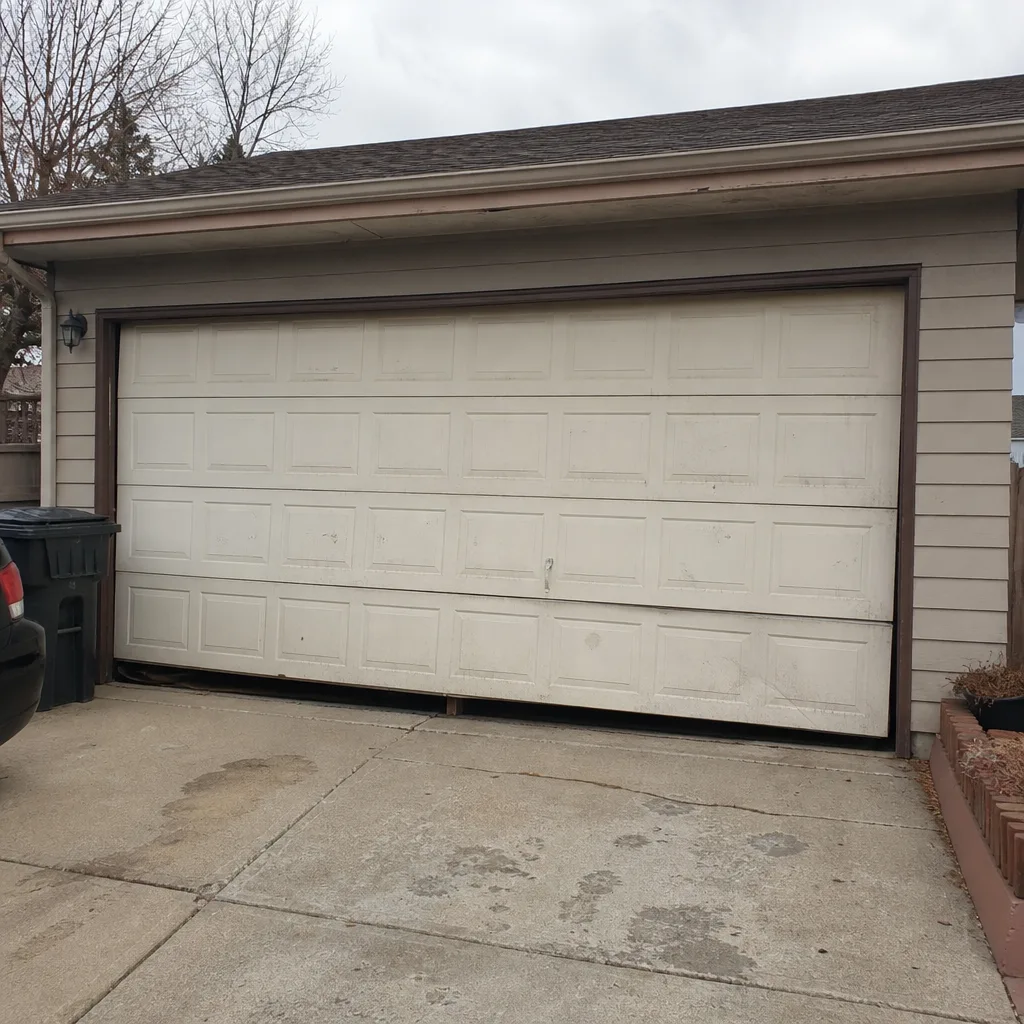 Before
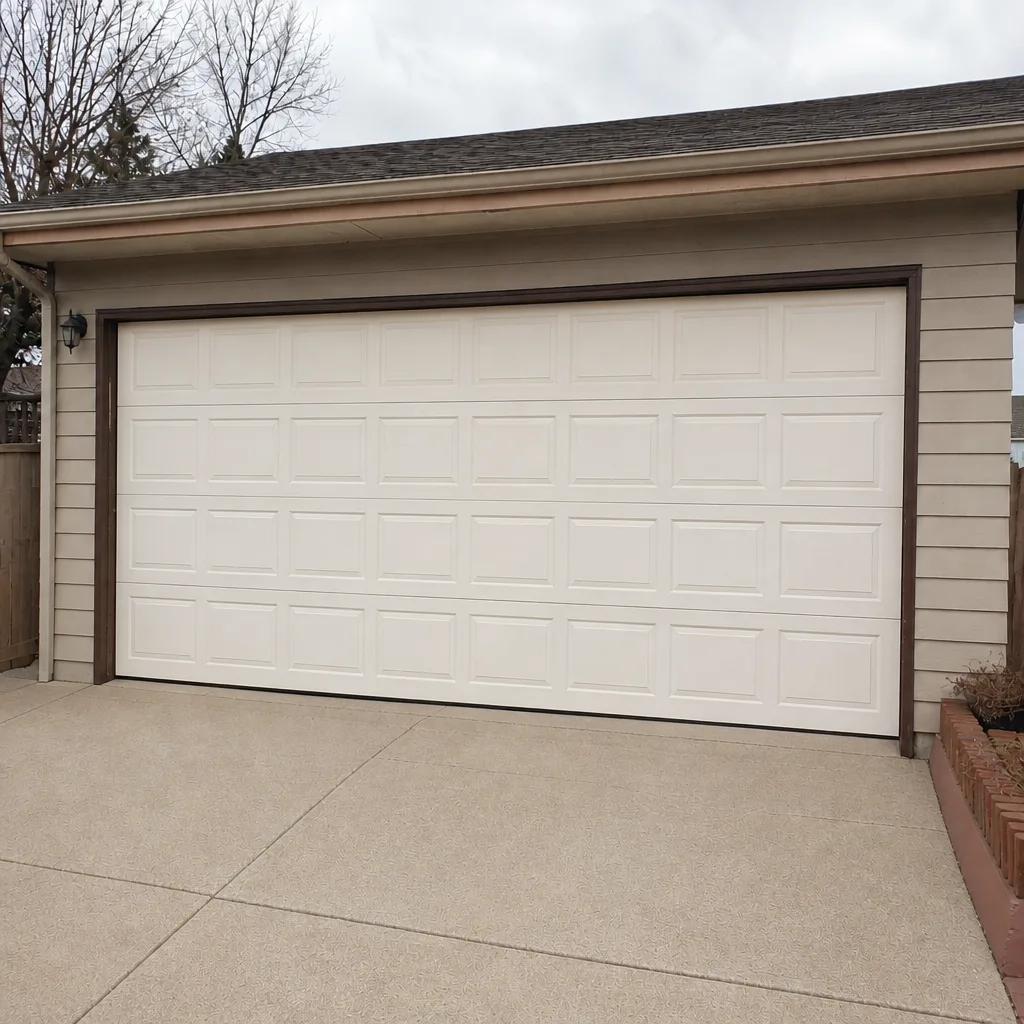 After
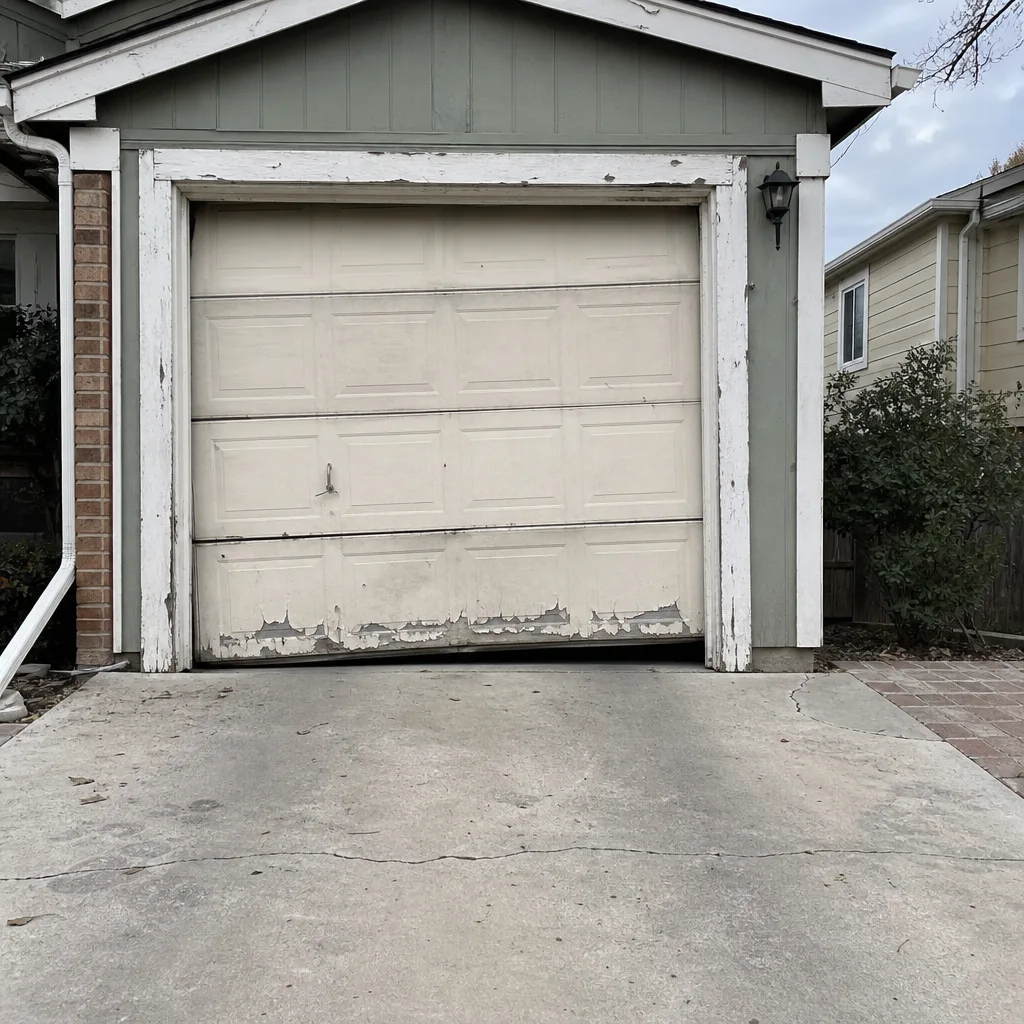 Before
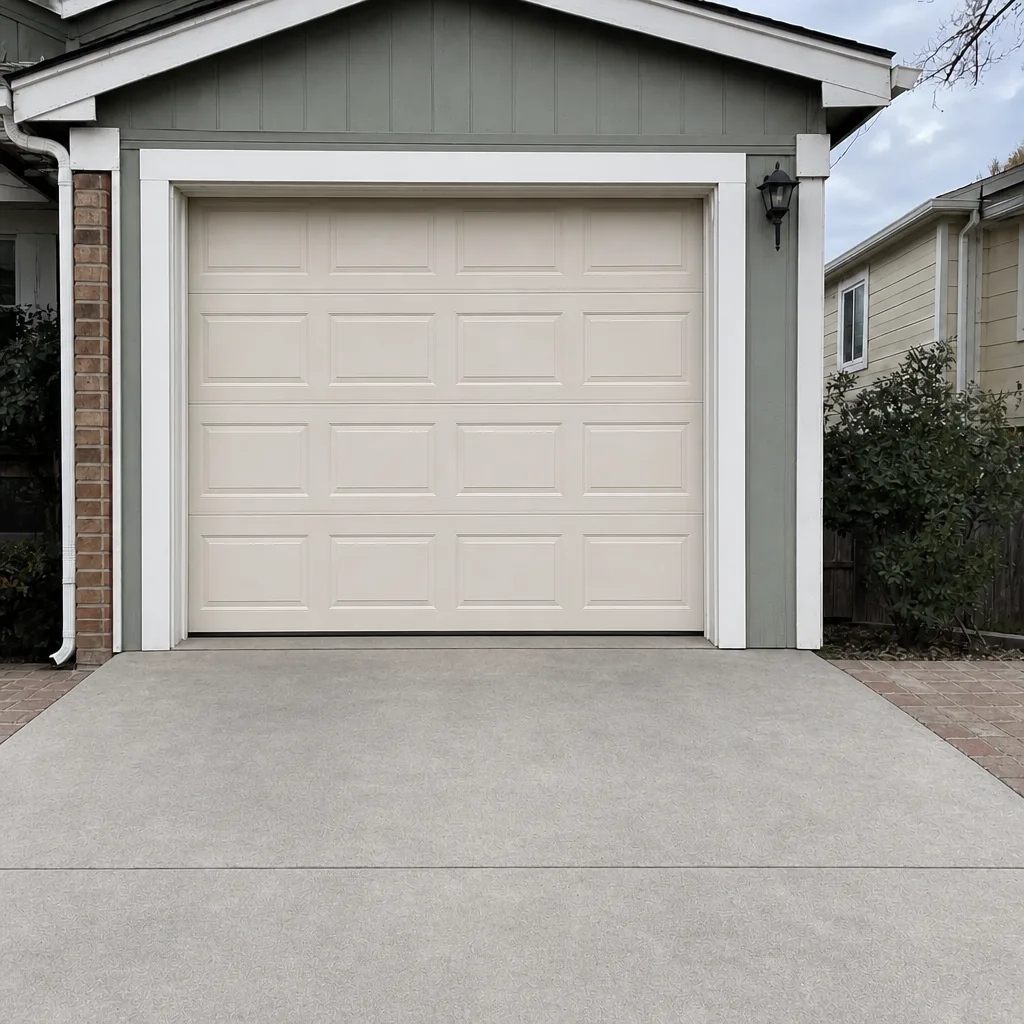 After
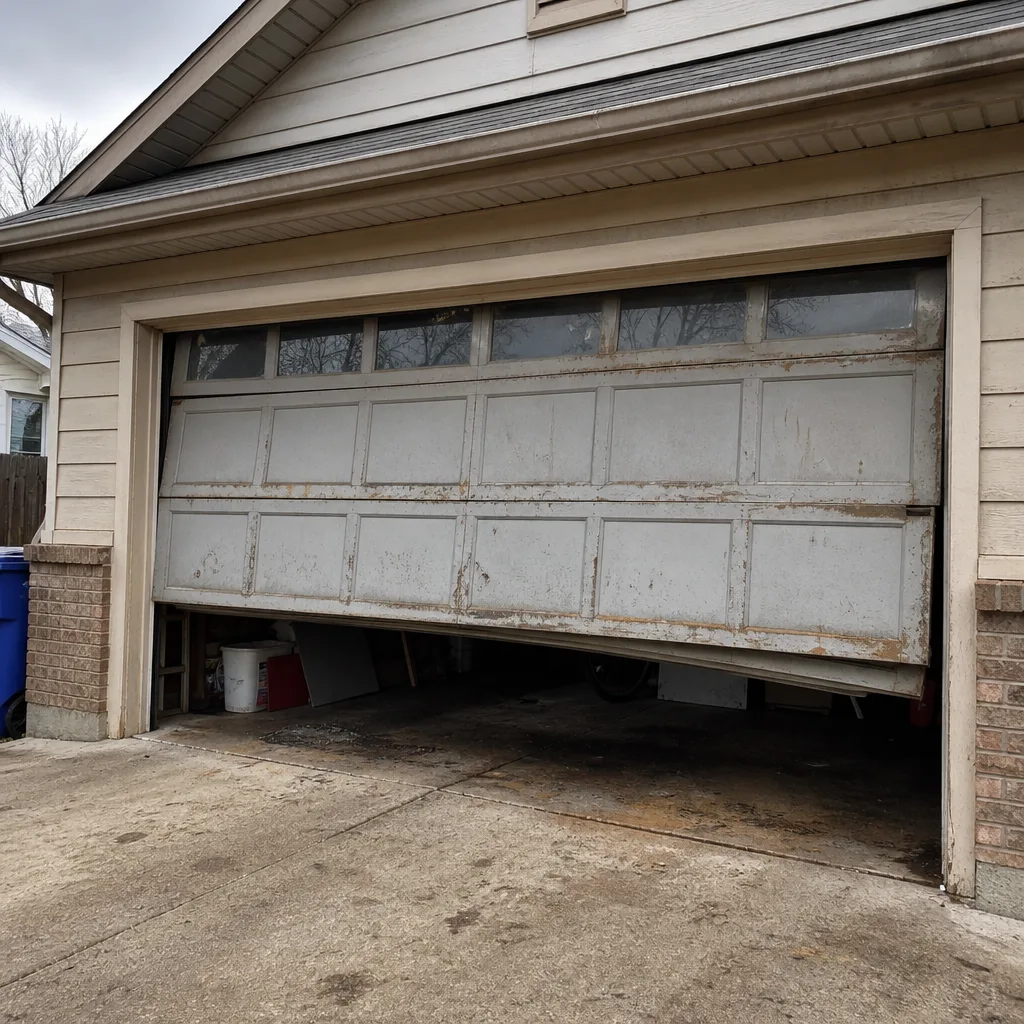 Before
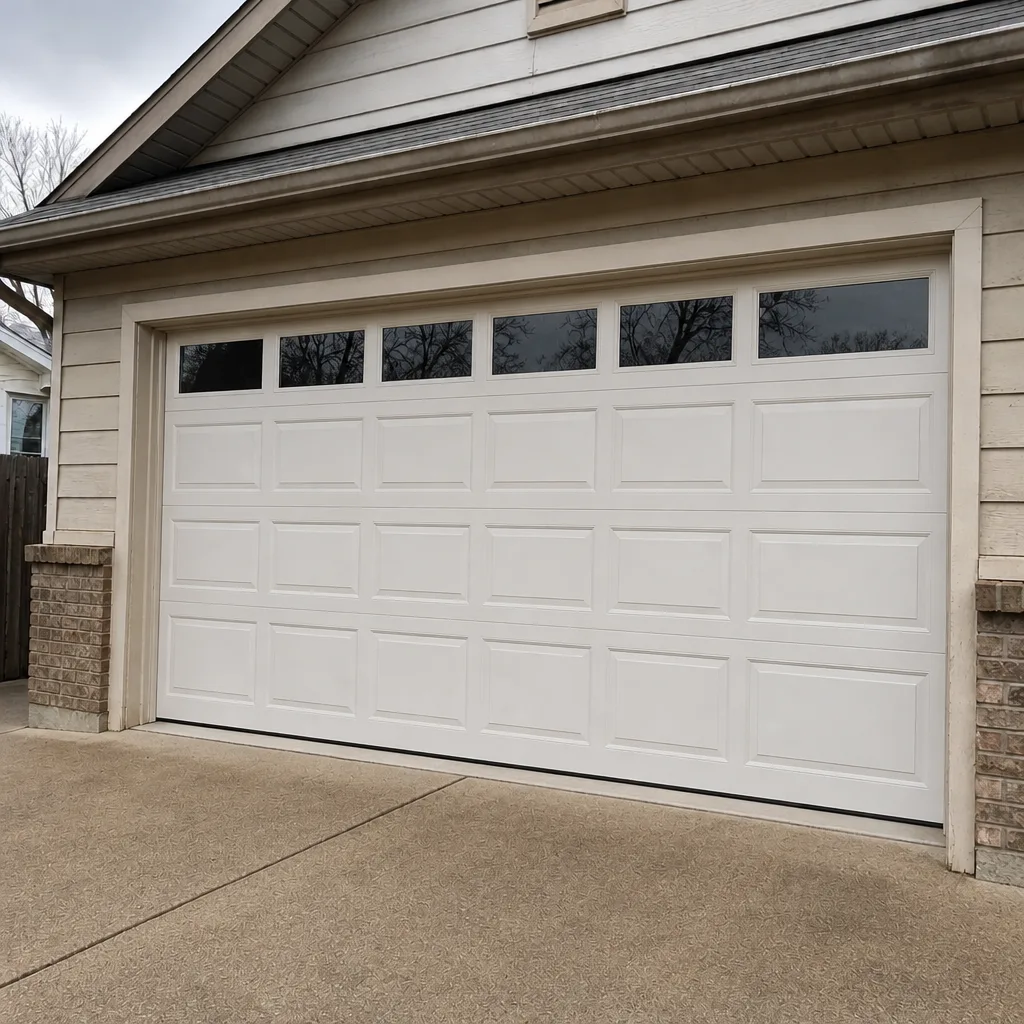 After
When to Call a Professional
Call a professional when a spring pops or looks visibly broken, when the door comes off its track, when a cable is frayed or hanging loose, when the door fails the balance test, when the opener runs but the door won’t lift, or when the safety reverse stops working. Call promptly on any intermittent fault that’s affecting daily use, and call at the first sign of a bent panel or a door that slams. Arvada Garage Door Repair Pros offers free estimates in Arvada. Call (877) 386-3155. We answer 24/7. Fast dispatch from 7am to 7pm, Sunday through Friday. A call outside those hours is booked into the next opening. Our Arvada garage door repair team handles diagnosis, repair, opener work, springs, and installation under one roof, so you’re never handed off to a subcontractor.
Frequently Asked Questions
The most common warning signs are a door that moves unevenly, grinding or popping noises, a door that won’t hold its position when opened halfway, and an opener that runs but doesn’t lift the door. Any of these warrants a call, especially the popping sound, which points to spring stress. Call (877) 386-3155 for an exact quote, estimates are free.
In Arvada, spring replacement is typically estimated in the range we confirm at the visit, with one spring quoted separately from a matched pair. Springs are usually replaced together because a single spring failure means the pair is near the same age. The written estimate sets the final price, and we quote and agree on it before any work starts. Call (877) 386-3155 for an exact quote, estimates are free.
We offer emergency service for situations where a stuck or broken door is a safety or security risk, and same-day service is often available. We answer 24/7. Fast dispatch from 7am to 7pm, Sunday through Friday. A call outside dispatch hours is booked into the next opening. Call (877) 386-3155.
No, the price is quoted and agreed before any work starts. We diagnose the door in person, write up the estimate, and you approve it before we touch anything. The written estimate sets the final price. Call (877) 386-3155 for an exact quote, estimates are free.
Yes, the local professionals we connect you with are licensed and insured as Colorado requires. Our technicians have up to 15 years of experience with garage doors, springs, and openers. Brand familiarity includes LiftMaster, Chamberlain, Genie, Clopay, Amarr, Wayne Dalton, Craftsman, and Raynor. Call (877) 386-3155 for an exact quote, estimates are free.
Yes, an intermittent garage door failure is often more urgent than a consistent one because the failure timeline is less predictable. A door that fails the same way every time is easy to diagnose; a door that fails only on some days or at some temperatures can fail without warning and is a real risk for anyone under the door. Call (877) 386-3155 to schedule a diagnosis.
The Bottom Line
Garage door failures leave a trail. The grinding roller, the popping spring, the door that won’t stay balanced halfway up, the opener that runs without lifting: each one names the subsystem that needs attention, and each one gives you time to act before the problem turns into a 7 a.m. emergency. Run the 60-second balance test, pay attention to what the door sounds like, and treat intermittent faults as urgent, not harmless. If anything in this guide sounds familiar, get it diagnosed correctly the first time. Call (877) 386-3155 for a free estimate. We answer 24/7. Fast dispatch from 7am to 7pm, Sunday through Friday.
Written by the team at Arvada Garage Door Repair Pros.