
Last updated November 23, 2026
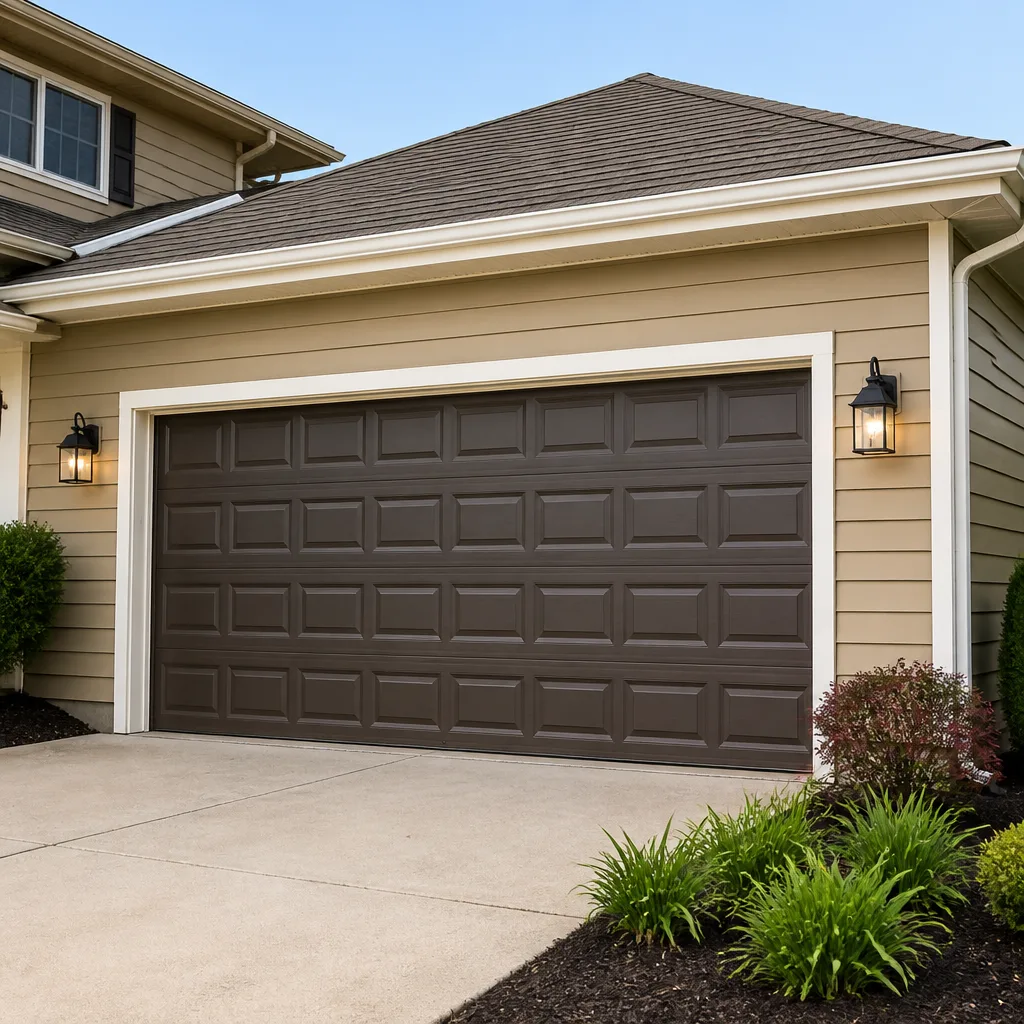 Raised-panel steel
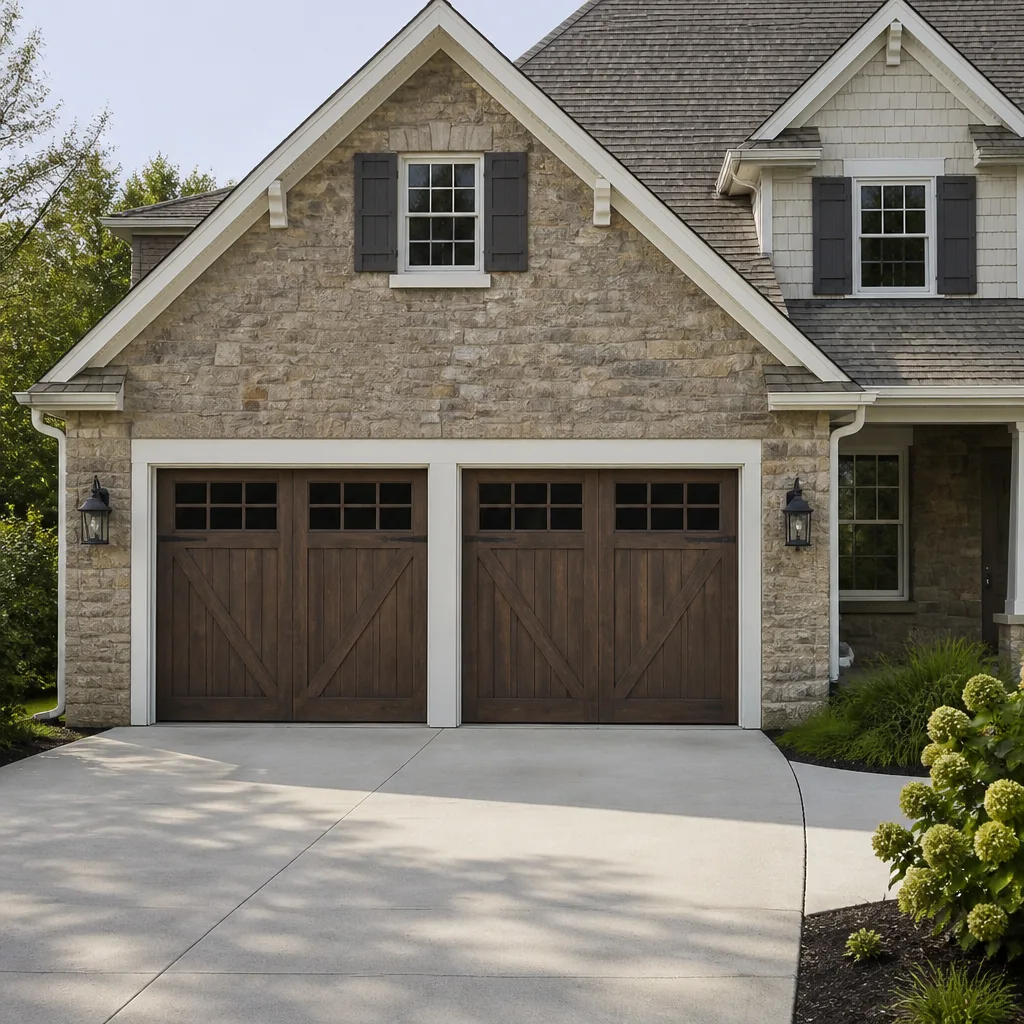 Carriage house
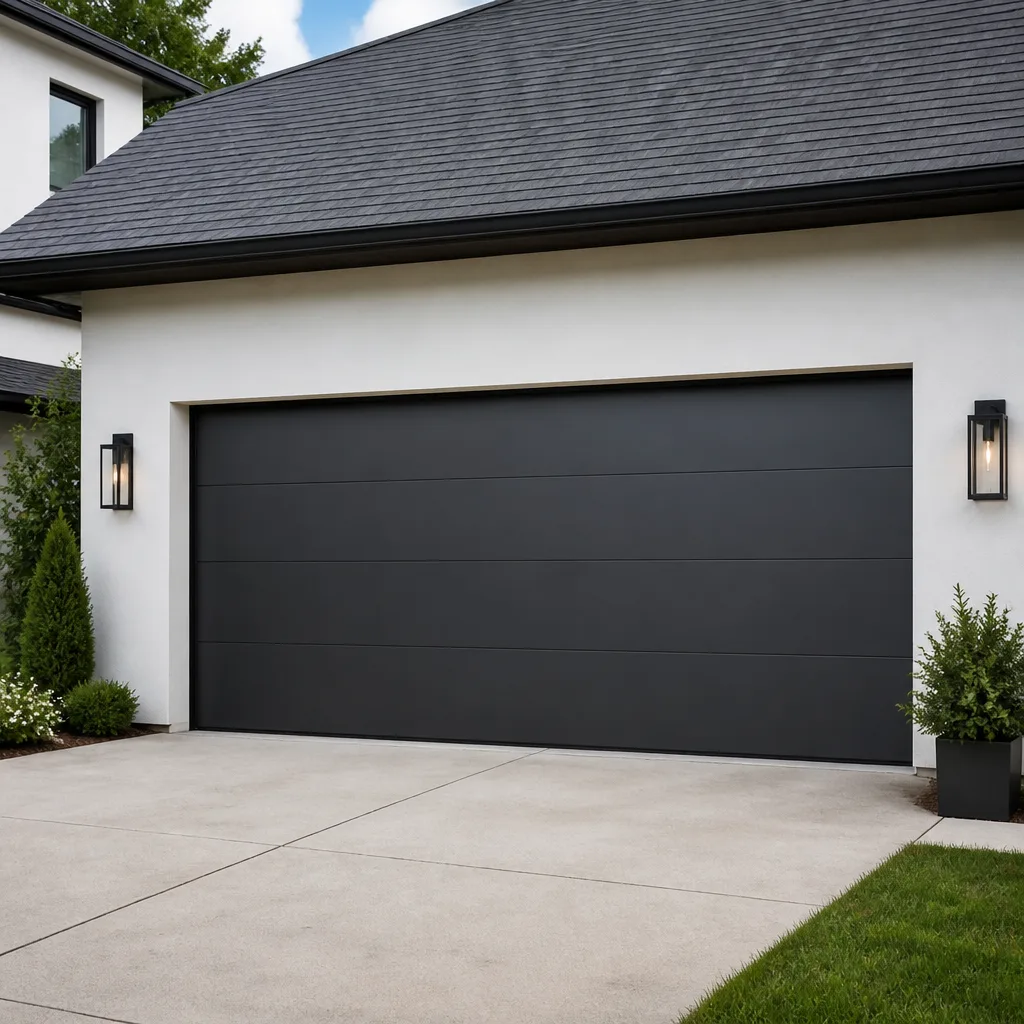 Modern flush
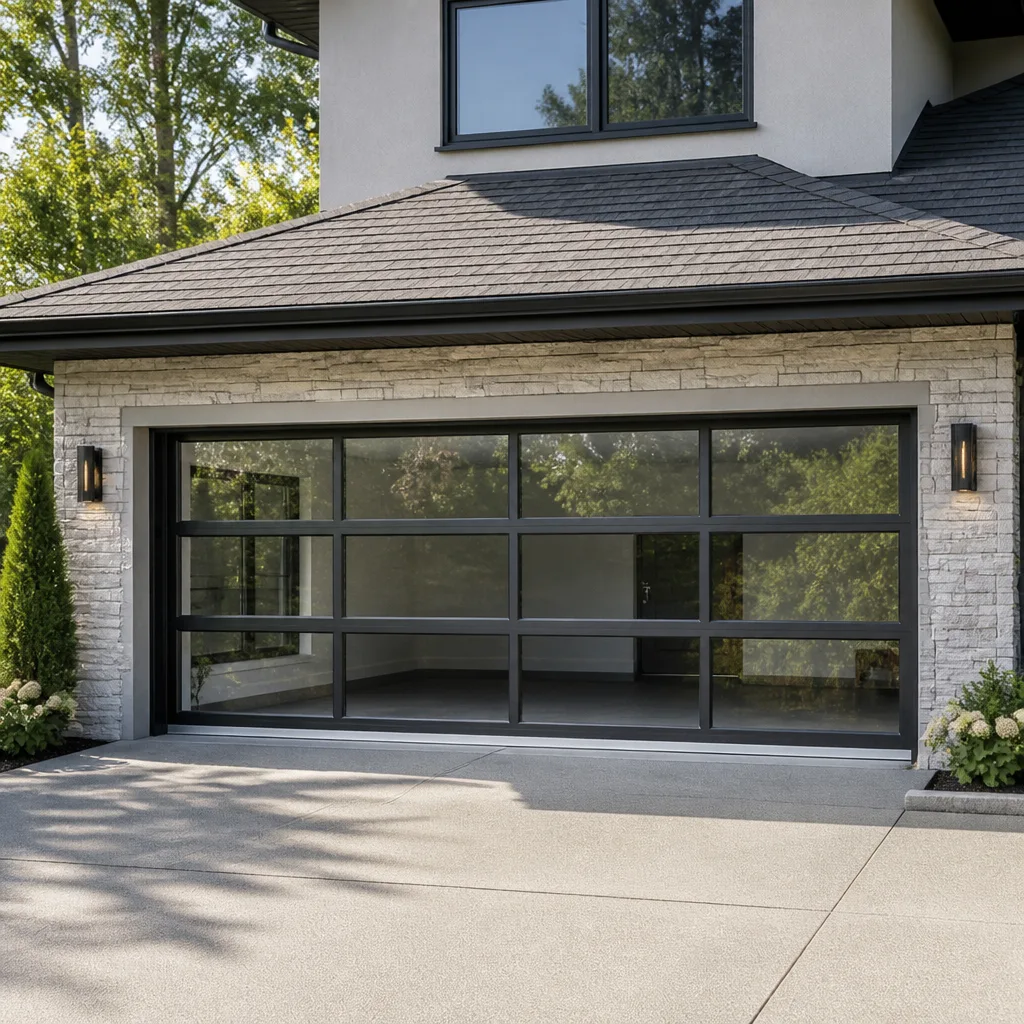 Full-view glass
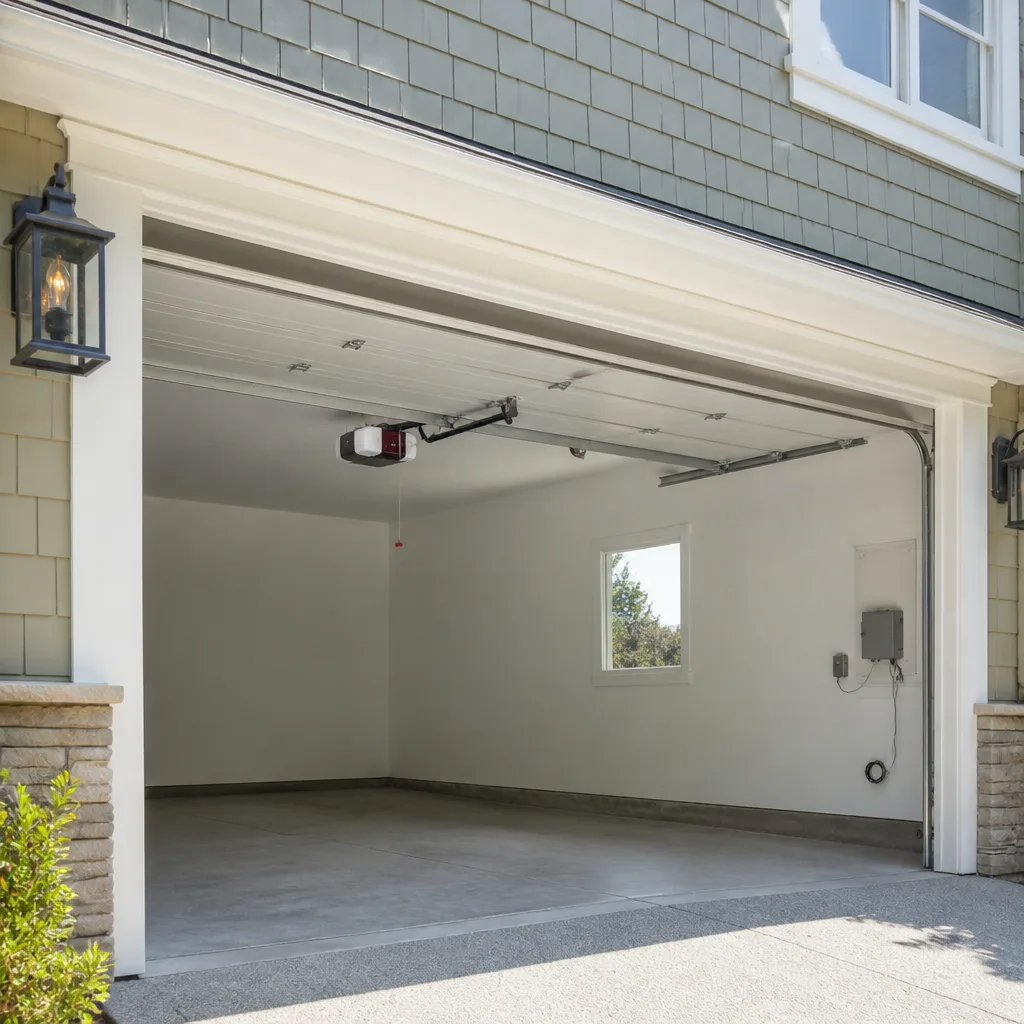 LiftMaster openers
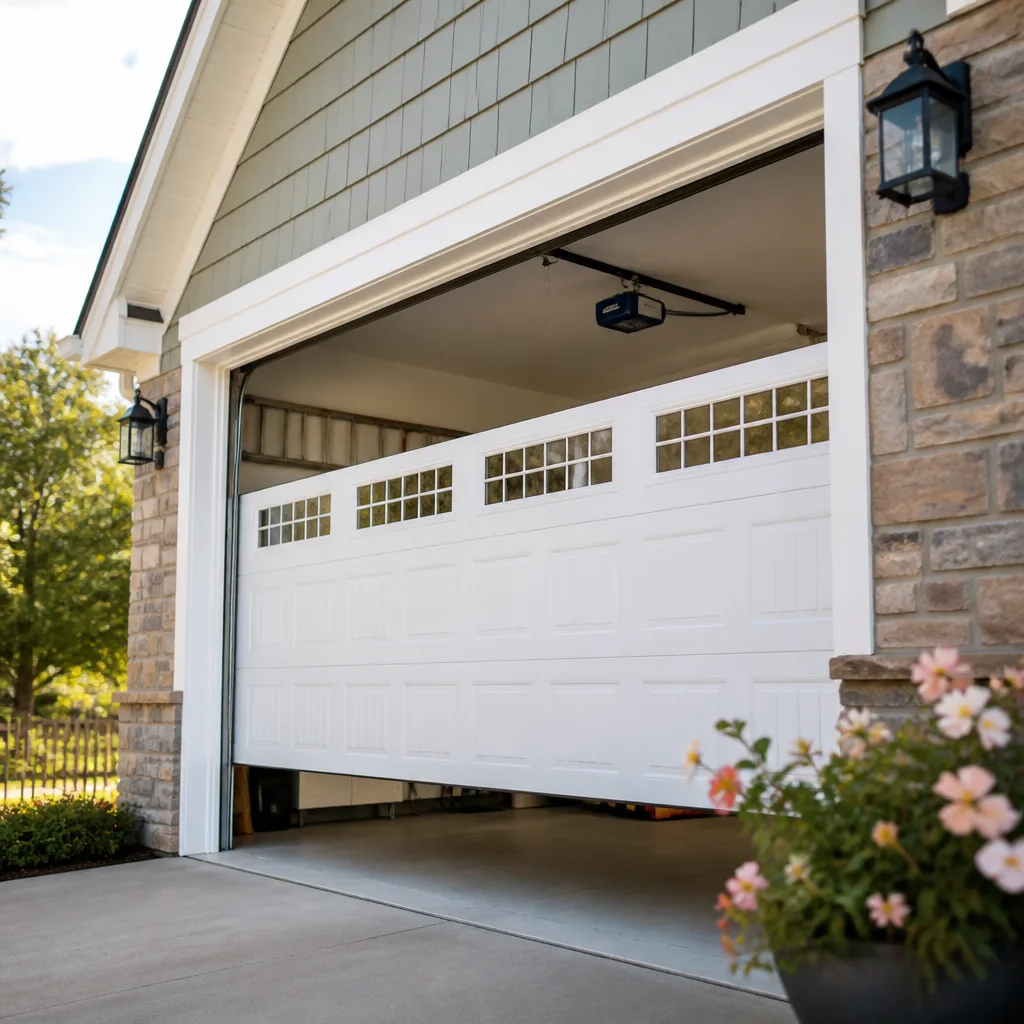 Chamberlain openers
Full 25-point door and opener safety check with every visit - springs, cables, rollers, tracks, and your LiftMaster or Chamberlain opener included
You get a price before we start. It does not change when the pro arrives.
Get your free estimateGarage Door Repair Maintenance Checklist for Arvada Homeowners
Lubricating your hinges once a year is not maintenance. It’s theater. Real maintenance means knowing that a torsion spring with visible gaps between its coils has already started its failure sequence and will snap within weeks, not years. Most garage door advice tells you what to do but never what to measure, so homeowners in Arvada end up guessing whether a wobbling track or a fraying cable is normal wear or the last warning before something breaks. This checklist gives you specific pass/fail thresholds: how much lateral track movement is acceptable, what gap size on a bottom seal means it’s done, and how much balance deviation points to a spring losing tension. You’ll learn which tasks are genuinely safe to handle yourself and which ones demand a trained technician.
Quick Answer
A useful garage door maintenance checklist measures rather than just inspects: check track wobble by hand (a quarter inch of lateral play is normal, more means loose fasteners), look for any gap over a quarter inch under the bottom seal, and test balance by pulling the door to halfway and releasing it. If it drifts more than 2 inches in 30 seconds, a spring is losing tension. Lubricate rollers, hinges and springs, tighten track bolts, and test the auto-reverse system monthly. Leave spring tension adjustment, cable replacement and any work on torsion hardware to a trained technician.
Styles & brands we work with
- Raised-panel steel
- Carriage house
- Modern flush
- Full-view glass
- LiftMaster openers
- Chamberlain openers
Table of Contents
- What Should You Actually Measure on a Garage Door?
- The Monthly Five-Minute Check
- Seasonal Timing for Arvada’s Weather Calendar
- Which Tasks Are Safe to Do Yourself?
- Springs and Cables: The Parts You Should Never Touch
- Checklist Items for Openers Over 10 Years Old
- How to Log Maintenance History That Helps a Technician
- Brand-Specific Maintenance Notes
What Should You Actually Measure on a Garage Door?
Every checklist item on this page comes down to a number. “The door feels loose” tells you nothing. “The track moves about half an inch when I push it” tells you the lag bolts have backed out and need tightening before the door jumps the track. Measurement turns a vague worry into a decision.
Here are the thresholds we use when diagnosing a door in Arvada:
- Track wobble: A quarter inch of lateral play where the track meets the jamb is normal. Anything more means loose fasteners. If the track visibly shifts when the door is halfway up, stop cycling the door and address it.
- Bottom seal gap: Less than a quarter inch is fine. A quarter inch or more lets in water, insects and cold air, and it tells you the seal has compressed or the door is sitting unevenly. At that point the seal needs replacing.
- Balance test: Disconnect the opener, lift the door to halfway and let go. A properly balanced door stays put. If it drifts more than 2 inches in 30 seconds, a spring is losing tension. Drifting down means the spring is weak; drifting up means it’s carrying too much tension.
- Side gap: The gap between the door and the jamb should be even on both sides. A door that’s closer to one jamb than the other has a track alignment problem or a bent panel.
- Roller wear: Nylon rollers should be round with no flat spots. Steel rollers should turn freely. A roller that wobbles on its stem is on its way out.
Those five measurements take about ten minutes and cover most of what a technician checks first. If any of them fail, you know exactly what to describe when you call for garage door repair. If they all pass, you’ve confirmed the door is sound and can move on to the lubrication and fastener checks.
The Monthly Five-Minute Check
A monthly walkaround catches the small problems before they become expensive ones. You don’t need tools for most of it. You need to look, listen and touch.
- Watch the door cycle fully. Open and close it once and watch the whole travel. Listen for grinding, squealing or a door that hesitates at any point.
- Test the auto-reverse. Place a 2×4 flat on the floor in the door’s path and close the door. It should reverse on contact. If it doesn’t, stop using the opener until it’s fixed.
- Test the photo-eye safety sensors. Wave your hand through the beam at each sensor with the door closing. The door should reverse immediately. Wipe the sensor lenses if they look dusty.
- Check the bottom seal by hand. Run your fingers along the bottom edge with the door closed. Feel for gaps, cracks or a seal that’s pulled away from the retainer.
- Look at the springs. With the door closed, check the torsion spring above the door or the extension springs along the sides. Look for visible gaps between coils, rust streaks or a stretched-out look.
That’s it. Five minutes once a month keeps you ahead of most failures. The auto-reverse test matters most because it’s the one safety system that protects people and pets, and it’s the one that quietly stops working when a sensor drifts out of alignment.
Seasonal Timing for Arvada’s Weather Calendar
Generic checklists tell you to service the door in spring and fall. Arvada’s weather doesn’t cooperate with that schedule. The Front Range swings hard between seasons, and the door takes the brunt of it. Here’s how the timing actually works along the Front Range.
- Late winter (February to March): This is the heaviest wear window. The freeze-thaw cycle works on the door hardware, and the grit and meltwater that collect on the tracks cause more wear in these weeks than the rest of the year combined. Do a full lubrication and track-cleaning pass before the spring thaw.
- Spring (April to May): Post-winter inspection time. Look for rust on the springs, loose track bolts and a bottom seal that took a beating from ice. This is also when the wind picks up along the Front Range, so check that the door sits flush when closed.
- Summer (June to August): Heat expands the door panels slightly and can change how the door seats. Test balance and auto-reverse during the hottest stretch. Check the opener’s force settings if the door starts reversing for no clear reason.
- Fall (September to October): The most important prep window. Lubricate everything, tighten all fasteners, and replace a worn bottom seal before the first hard freeze. A seal that’s already gapped lets cold air and moisture in all winter, and moisture frozen into the tracks causes real mechanical trouble.
- Early winter (November to January): Keep the tracks clear of snow and ice. Never force a frozen door open; that’s how panels bend and cables jump. If the door is sluggish in cold weather, the grease on the rollers has thickened and needs replacing with a cold-rated lubricant.
This calendar runs on the local climate, not a generic schedule. If you want a deeper look at the repair side of what these seasons produce, our Arvada Garage Door Repair Pros page breaks down the services that address each one.
Which Tasks Are Safe to Do Yourself?
Most of the maintenance checklist is safe for a homeowner with a stepladder and a can of lubricant. A few items are not, and the line between them is clearer than most people think.
Safe to do yourself:
- Lubricating hinges, rollers, springs and the opener chain with a proper garage door lubricant (not WD-40, which is a solvent, not a lubricant)
- Tightening track bolts and hinge screws with a socket wrench
- Cleaning the tracks with a damp rag and checking for debris
- Testing the auto-reverse and photo-eye sensors
- Replacing the bottom seal if the retainer is the slide-in type
- Changing opener remote batteries and reprogramming remotes
- Cleaning and aligning the safety sensors
Not safe to do yourself:
- Adjusting torsion spring tension, which requires winding bars and an understanding of how stored energy releases
- Replacing torsion or extension springs
- Replacing cables
- Adjusting the opener’s force limits beyond the manufacturer’s recommended range
- Realigning a track that has pulled away from the jamb after impact
The DIY list is about keeping the door smooth and the safety systems working. The second list is about stored energy. A torsion spring under tension holds enough force to cause serious injury if it releases unexpectedly, and it can release the moment a winding bar slips. There’s no shame in drawing that line; it’s the same line trained technicians draw for themselves when they put on the right tools for the job.
Springs and Cables: The Parts You Should Never Touch
Springs are the most dangerous component in your garage door system. That’s not a marketing line; it’s a mechanical fact. A torsion spring above the door is under hundreds of pounds of tension when the door is closed, and it releases that energy instantly when it fails. Extension springs along the sides carry similar loads with less containment. Cables work with the springs and carry the door’s weight, and a snapped cable whips free with force.
What you can safely check:
- Visible gaps between the coils of a torsion spring, which mean the spring has begun to fail
- Rust streaks or discoloration on the spring, which point to moisture exposure
- A stretched-out look on extension springs
- Frayed strands or kinks in the cables, visible without touching them
- A door that drifts more than 2 inches in 30 seconds during the balance test
What you should never do:
- Put a wrench on the winding cone or try to add or remove tension
- Try to straighten or re-seat a cable
- Cut a spring or cable to remove it
- Operate a door with a visibly broken spring, even manually
Our technicians have up to 15 years of experience, and spring work is the task that separates a specialist from a generalist. If any of the checks above fail, call for garage door spring repair rather than trying to test the spring yourself. A door with a failing spring can be diagnosed from the ground; it just shouldn’t be repaired from a ladder by anyone without the training.
Checklist Items for Openers Over 10 Years Old
Openers built before 1993 were not required to have the auto-reverse force standard that’s been in place since then, and openers from the early 2000s often predate the safety improvements that became standard later. If your opener is over 10 years old, add these items to your monthly and annual checks.
- Test the auto-reverse every month, not just annually. Older openers lose force sensitivity as the gears and logic board age. The 2×4 test is the fastest way to confirm it still works.
- Listen for the opener straining. A door that opens slowly or with a grinding sound is telling you the opener is working harder than it should, which usually means the door’s balance is off or the opener’s gears are wearing out.
- Check the travel limits. If the door stops short of the floor or hits the header, the travel limits have drifted. That’s adjustable, but on an older opener it’s often the first sign of a failing logic board.
- Inspect the rail and chain or belt. A chain that’s stretched and sagging needs tightening or replacing. A belt that’s fraying needs replacing.
- Look at the safety sensors. Older sensors with amber and green lights should both be on and steady. A blinking light means misalignment or a wiring issue.
- Check for backup battery function if equipped. Many openers from the last 10 to 15 years have a battery backup that needs testing once a year.
- Confirm the wall control is not a model with an exposed cord. Older push-button controls sometimes had cords within reach of children, and newer standards require the control to be mounted out of reach.
An opener that fails the force test or strains on every cycle is a candidate for garage door opener repair or replacement, depending on its age and condition. We work with LiftMaster, Chamberlain, Genie and Craftsman openers, so the brand already in your garage is one we can diagnose without guesswork.
How to Log Maintenance History That Helps a Technician
A maintenance log isn’t a diary. It’s a diagnostic tool, and a good one cuts a service call short because the technician doesn’t have to start from zero. Here’s what belongs in it.
- Dates and what was done: “Lubricated all hinges and rollers, tightened left track bolts” tells more than “serviced door.”
- Measurements: Note the bottom seal gap, the balance test result, and any track wobble you measured. A log that shows the balance test drifting from “stays put” to “drifts an inch” over six months is a clear signal to a technician.
- Repairs and parts: Note any spring, roller, cable or opener part replaced, with the date. Brand and model matter here, especially for Craftsman and Raynor openers where parts availability varies by model year.
- Symptoms, not just fixes: “Door reverses halfway up in cold weather” is a symptom worth logging. It may not get repaired on the first visit, but it narrows the diagnosis.
- Photos: A phone photo of the spring coils or the bottom seal on the day you measure gives a technician a visual record to compare against what they see on site.
When you call, hand the log to whoever arrives. Even a few lines of history changes the diagnostic path, especially for a door that has an intermittent problem that doesn’t show up on a single visit.
Brand-Specific Maintenance Notes
Garage door hardware is not interchangeable. A torsion spring on a Clopay door is wound differently than on an Amarr door, and an opener’s force settings are tied to its brand and model. Our technicians are equipped to service LiftMaster, Chamberlain, Genie, Clopay, Amarr, Wayne Dalton, Craftsman and Raynor equipment, so the brand already in your garage is one we can work on without exclusions. That matters for maintenance because the checklist you follow should match the equipment.
Examples of why brand matters:
- LiftMaster and Chamberlain: Their openers share a lot of architecture, and both use the same MyQ smart-home ecosystem. Force settings and travel limits are adjusted the same way on most models, and the maintenance items are nearly identical.
- Genie: Different logic boards and a different force-setting procedure, plus a chain or belt drive that wears differently on older models.
- Craftsman: Many Craftsman openers were built on Chamberlain platforms but the model years vary enough that remote and part compatibility has to be confirmed by model number.
- Raynor: Raynor doors and openers have their own spring configurations and torque specs. Maintenance on a Raynor requires knowing which generation of door you have.
The practical takeaway: when you log a repair, log the brand and model. When you book a service call, tell us the brand. It saves diagnostic time and reduces the chance of a return visit for the wrong part.
Common Mistakes to Avoid
- Using WD-40 as lubricant. WD-40 is a solvent, not a garage door lubricant. It will clean the tracks but it won’t protect the moving parts, and it attracts dust that then grinds into the hinges.
- Ignoring the balance test. Homeowners often skip the halfway-release test because it seems fussy. It’s the single best early indicator of spring failure, and it takes 30 seconds.
- Forcing a door with a broken spring. Manually lifting a door with a snapped spring is how people get hurt. The door is heavier than it looks when the spring isn’t carrying its share.
- Adjusting spring tension yourself. A torsion spring under tension is a stored-energy hazard. This is not a weekend project, and there’s no partial-safe version of the work.
- Skipping the seasonal prep in fall. Arvada’s freeze-thaw cycles are hardest on bottom seals and tracks. Waiting until winter to check the seal means dealing with ice getting into a gap that should have been closed in October.
- Not logging anything. A door that fails at the same point every winter is telling you something, but only if you have a record to compare against.
- Assuming a new opener fixes an old door. An opener that’s been replaced on a door with a failing spring will strain and fail faster. Fix the door, then the opener.
See the difference
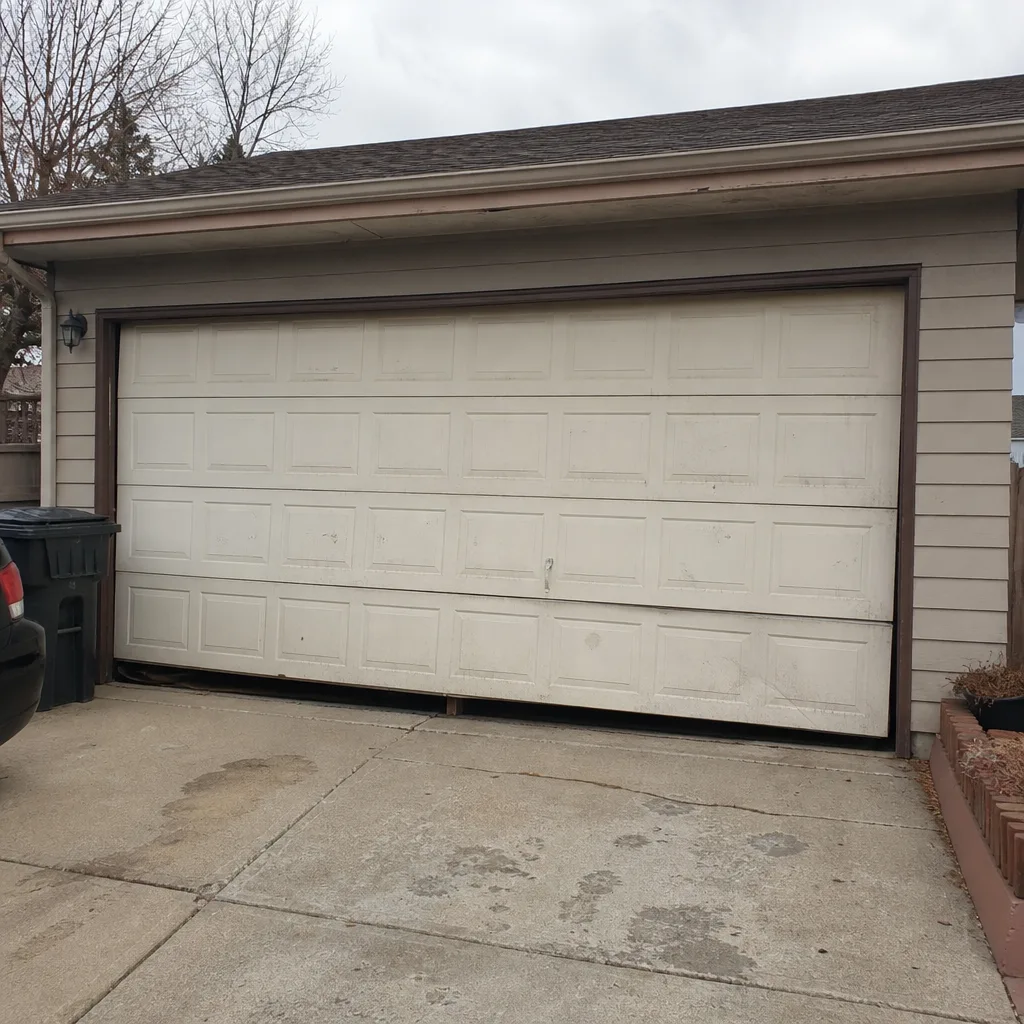 Before
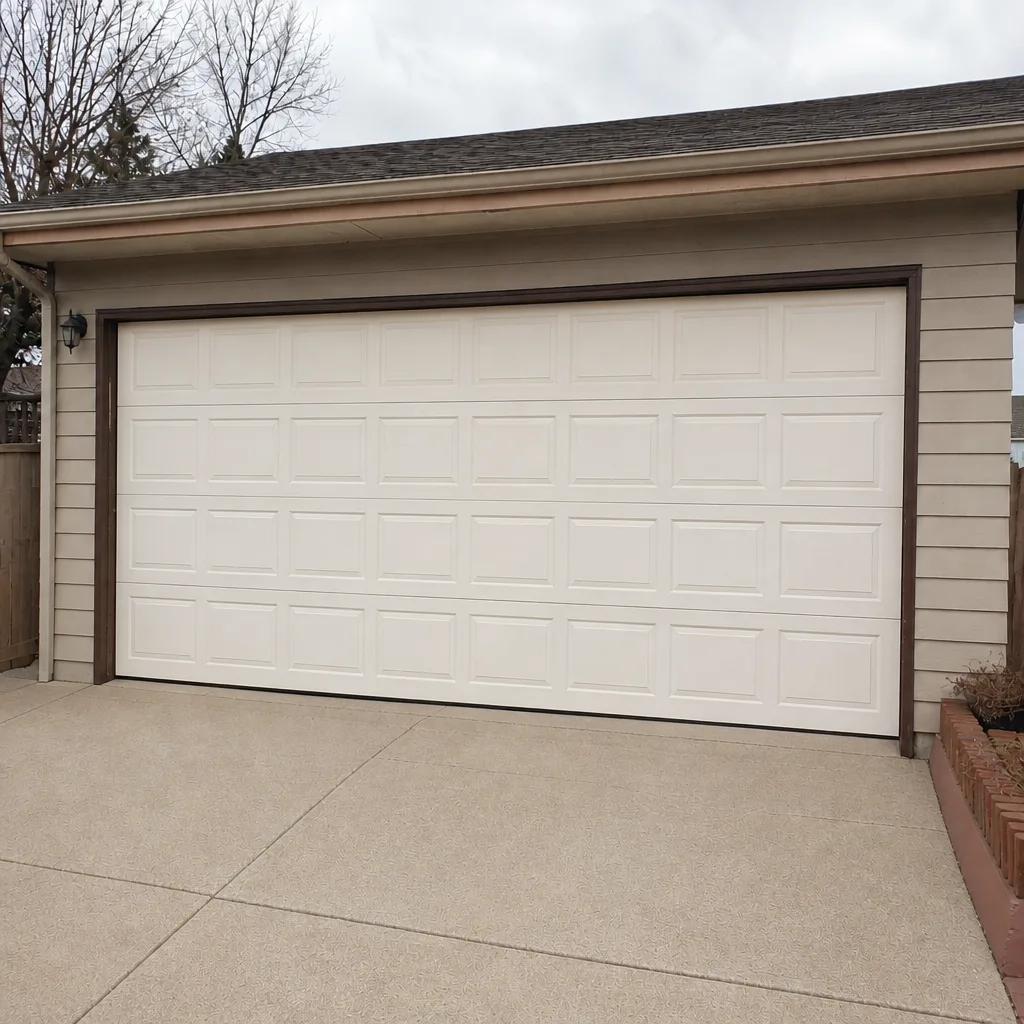 After
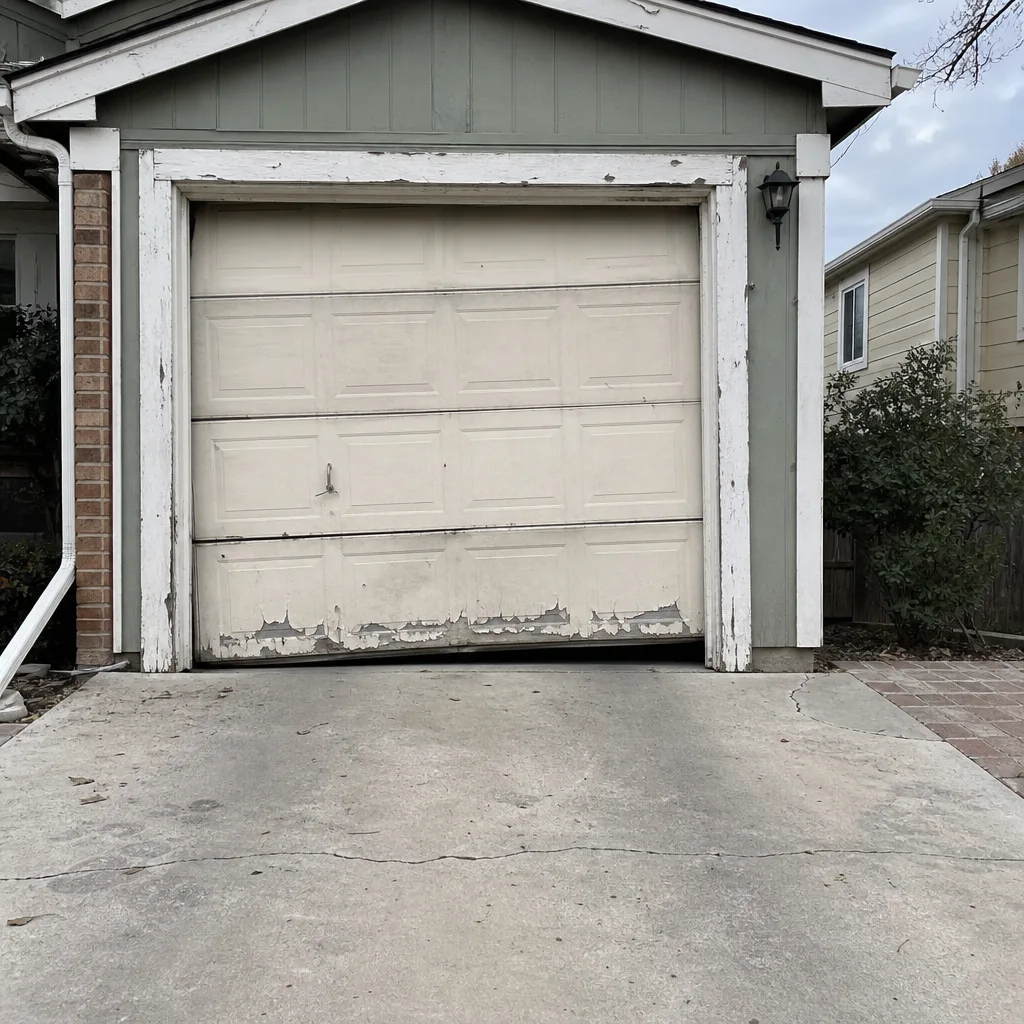 Before
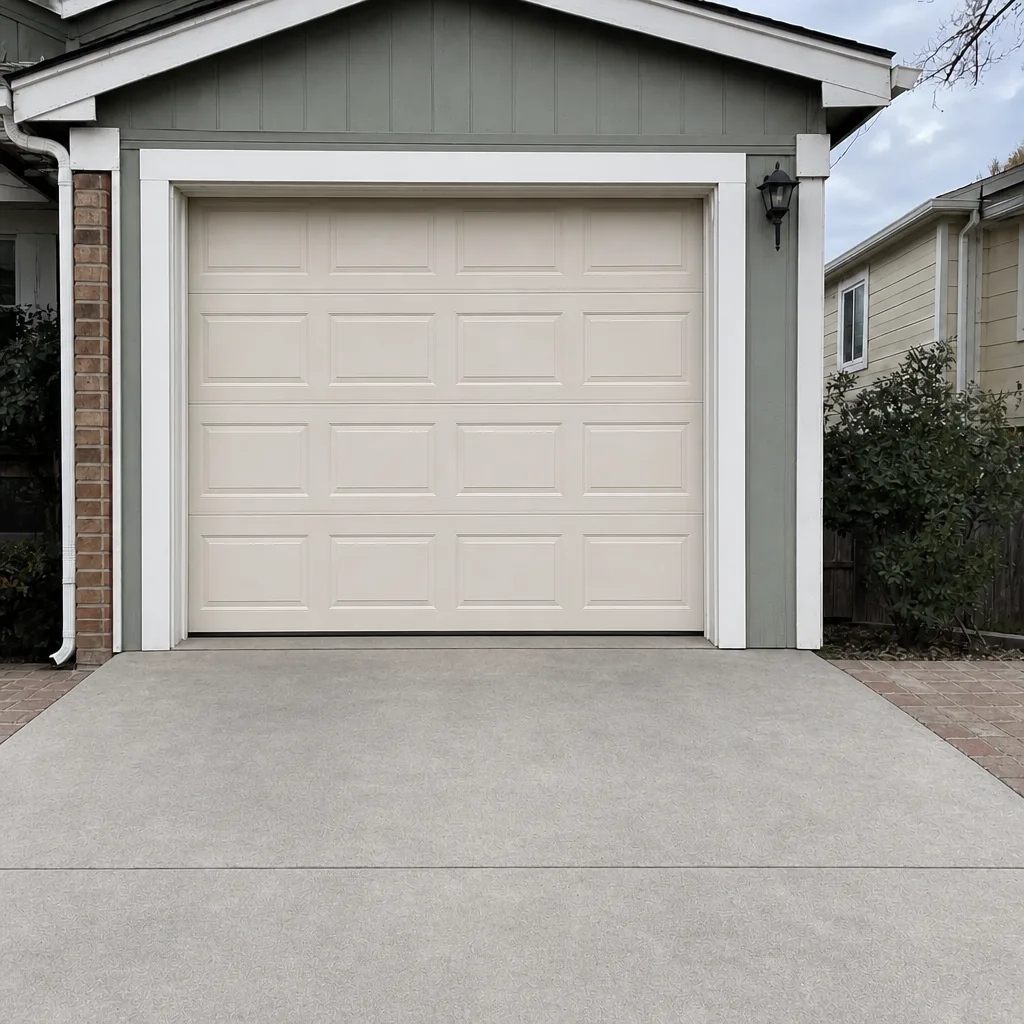 After
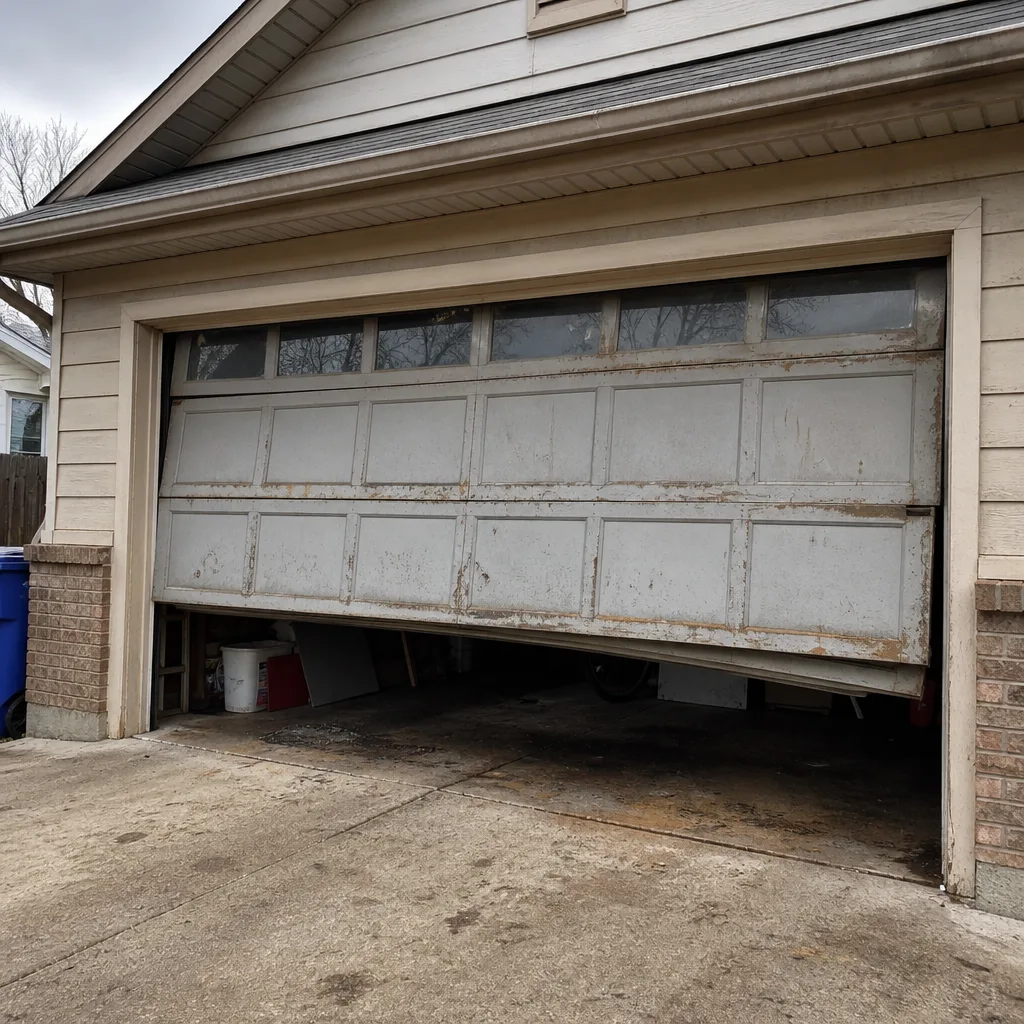 Before
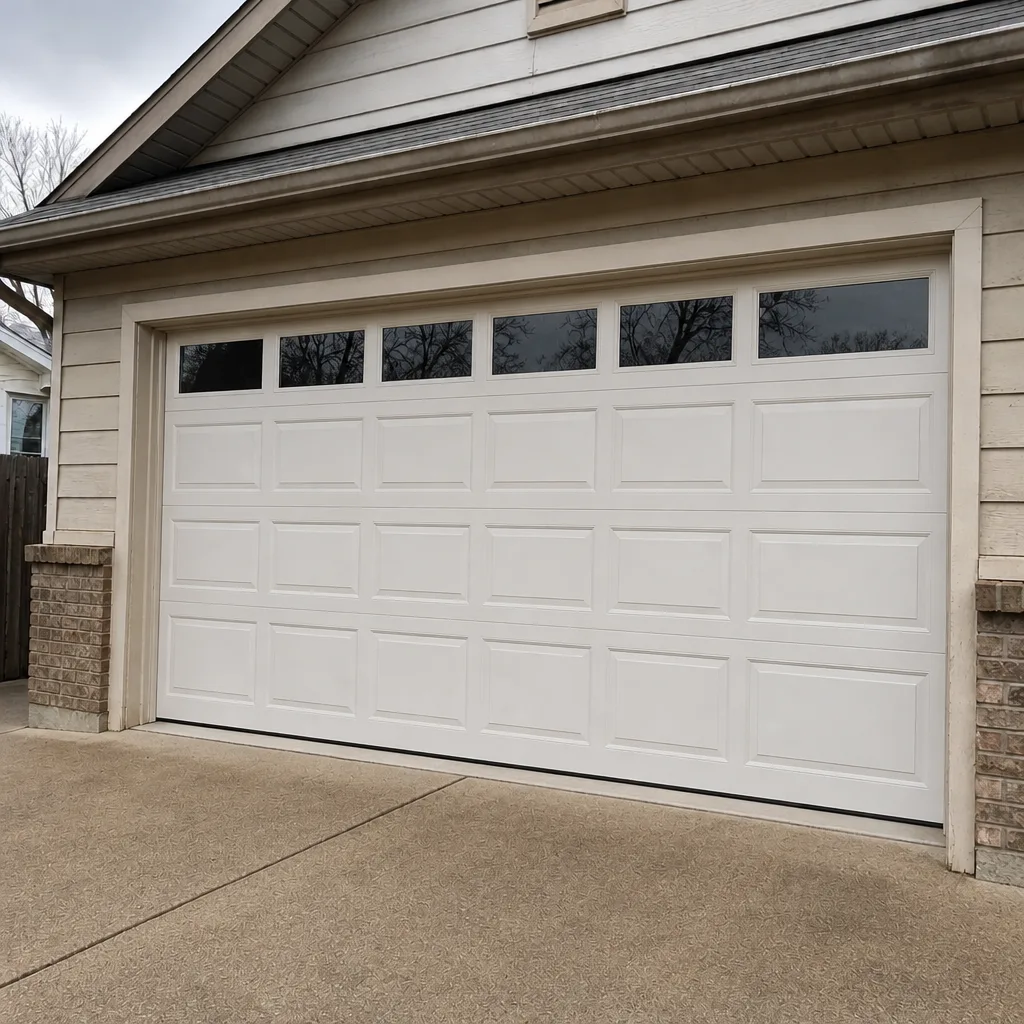 After
When to Call a Professional
Call a professional when the balance test fails, when you see visible gaps in a torsion spring, when a cable looks frayed or kinked, when the auto-reverse fails the 2×4 test, or when a door has jumped its track. Those are the items on the checklist where a wrong move carries real injury risk. A stuck door is also a call worth making sooner rather than later if the garage is your main entry point or your security layer. Arvada Garage Door Repair Pros offers free estimates in Arvada. Call (877) 386-3155. We answer 24/7, and fast dispatch runs from 7am to 7pm, Sunday through Friday. The written estimate sets the price before any work starts, so you know the number before the job begins.
Frequently Asked Questions
Once a year for a full lubrication and adjustment, plus a monthly five-minute safety check. Arvada’s freeze-thaw cycles put more wear on the hardware than a mild climate would, so the fall prep before the first freeze matters more here than a generic spring-and-fall schedule suggests. If the door is over 10 years old, test the auto-reverse monthly rather than annually.
A failing torsion spring shows visible gaps between its coils, rust streaks, or a stretched-out appearance. A door that fails the balance test by drifting more than 2 inches in 30 seconds is also pointing to a spring that’s losing tension. If you see any of those signs, don’t cycle the door. Call (877) 386-3155 for a free estimate on spring repair.
Yes, applying a proper garage door lubricant to the outside of the spring is safe and recommended. Adjusting the tension on the spring, or removing and replacing it, is not something to do yourself. Stored tension in a torsion spring can release unexpectedly, so leave that work to a trained technician.
A gap of a quarter inch or more under the closed door means the seal needs replacing. Run your hand along the bottom edge and feel for gaps, cracks or a seal that’s pulled away from its retainer. In Arvada, replace a worn seal before the first hard freeze, not after, so cold air and moisture stay out all winter.
Test the auto-reverse monthly with a 2×4 on the floor, check the travel limits, listen for straining or grinding, and inspect the chain or belt for sag and fray. Openers over 10 years old lose force sensitivity as the gears and logic board age, so a failed force test is the clearest sign it’s time for service. Call (877) 386-3155 for opener repair estimates.
No. The written estimate sets the price before any work starts. The checklist you keep at home, plus the measurements you record, gives the technician the information needed to quote accurately. If the diagnosis turns up something not covered in the estimate, you’ll hear about it before any work begins. Estimates are free.
We service LiftMaster, Chamberlain, Genie, Clopay, Amarr, Wayne Dalton, Craftsman and Raynor equipment without brand restrictions. That covers the brands most homes in Arvada have, so the hardware already in your garage is one we can work on. Call (877) 386-3155 to confirm your model if you’re unsure.
The local professionals we connect you with are licensed and insured as their state requires. Spring repair and opener work both carry real risk if done without proper training, which is why the trade is regulated. Ask for confirmation when you book if you’d like the details for your job.
The Bottom Line
A maintenance checklist is only as good as its thresholds. Measure the lateral track wobble, the bottom seal gap and the balance drift, and you’ll know which problems are normal wear and which are the last warning before a failure. Lubricate and tighten what’s safe, log what you measure, and leave the springs and cables to a trained technician. In Arvada, time the heavy checks to the freeze-thaw calendar: full prep in fall, post-winter inspection in spring, and monthly safety tests year-round. The result is a door that lasts longer and a service call that gets diagnosed correctly the first time.
Call (877) 386-3155 for a free estimate. We answer 24/7, and fast dispatch runs from 7am to 7pm, Sunday through Friday.
Written by the team at Arvada Garage Door Repair Pros.